

How to Optimize Recovery With Heat and Cold
Table of Contents
- Heat vs Cold for Recovery: A Quick Comparison
- How Cold Therapy Reduces Inflammation and Muscle Soreness
- How Heat Therapy Promotes Muscle Relaxation and Blood Flow
- Contrast Therapy Benefits: Combining Heat and Cold for Faster Recovery
- Best Home Recovery Equipment for Heat and Cold Therapy
- Safety Precautions and Contraindications for Thermal Therapy
- Building Your Personalized Recovery Protocol
- Frequently Asked Questions
Last Updated: September 11, 2026
Heat vs Cold for Recovery: A Quick Comparison
Knowing how to optimize recovery with heat and cold starts with one principle: cold calms acute inflammation, heat loosens tissue and restores circulation. Cold therapy constricts blood vessels to reduce swelling and numb pain after hard training, while heat therapy dilates vessels to relax muscles and improve blood flow. Use cold first for fresh soreness, heat later for stiffness and tension.
| Factor | Cold Therapy | Heat Therapy |
|---|---|---|
| Best timing | Within 1-2 hours post-exercise | 12-24 hours after, or pre-workout |
| Primary effect | Vasoconstriction, numbing | Vasodilation, muscle relaxation |
| Main benefit | Reduces inflammation, soreness | Increases blood flow, tissue oxygenation |
| Typical duration | 5-15 minutes | 10-20 minutes |
| Best for | Acute injury, DOMS, swelling | Chronic pain, stiffness, tension |
A common mistake is choosing one and ignoring the other. Recovery is a cycle, not a single action.
How Cold Therapy Reduces Inflammation and Muscle Soreness
Cold therapy works through vasoconstriction: blood vessels narrow, which limits fluid buildup and swelling in damaged tissue. That numbing effect lowers pain signaling, which is why athletes feel relief within minutes. Delayed onset muscle soreness, the ache that peaks a day or two after exercise, responds well to this approach because it targets the inflammatory response directly.
Vasoconstriction and the Numbing Effect
When cold hits the skin, circulation to the surface drops and blood is redirected deeper into the body. This slows the delivery of inflammatory markers to the affected area. The numbing effect is not a side benefit; it is a core part of how cold reduces perceived pain and lets you move through a recovery window more comfortably. The effect is dose-dependent: colder water and longer exposure deepen the response, but past a certain point you are adding discomfort without adding recovery.
Cold Plunge Duration for Recovery: How Long Is Enough
The right cold plunge duration for recovery is 5-15 minutes at a therapeutic temperature, typically between 50°F and 59°F. Beginners should start at 5 minutes and build tolerance gradually. Longer is not better; past 15 minutes, the circulatory response plateaus and discomfort rises without extra benefit. Water below 50°F should be reserved for short, supervised sessions.
A practical progression looks like this:
- Weeks 1-2: 50-59°F for 3-5 minutes, 2-3 times per week
- Weeks 3-4: 50-59°F for 5-8 minutes, 3-4 times per week
- Maintenance: 45-55°F for 5-10 minutes, as needed after hard sessions
Individualizing Cold Exposure to Your Body
Generic timeframes ignore the variable that matters most: how quickly your body loses heat. Body composition, limb length, and baseline circulation all change how a given water temperature feels and how fast your core responds. A lean athlete with long limbs may hit a shivering threshold in 3 minutes at 55°F, while a heavier athlete with shorter limbs may comfortably hold 10 minutes at the same temperature.
A simple way to calibrate: use the first 90 seconds as your gauge. If you can slow your breathing and relax your shoulders within that window, the temperature is appropriate. If you are gasping or tensing, the water is too cold for your current tolerance, drop the temperature setting, not the habit. Track water temperature, session length, and how you feel 12 hours later. Adjust one variable at a time so you can actually tell what is working.
Why Consistency Beats Intensity
A 5-minute session you actually do four times a week outperforms a 15-minute session you dread and skip. The physiological benefits of cold therapy, reduced swelling, blunted pain signaling, and a calmer nervous system, accumulate with repetition, not with one heroic plunge. This is where a chiller-ready tub changes the equation: when cold water is always available and never requires a bag-of-ice ritual, the habit becomes effortless. You step in, you reset, you move on with your day feeling clear-headed and in control.
How Heat Therapy Promotes Muscle Relaxation and Blood Flow
Heat therapy reverses the cold response. It triggers vasodilation, widening blood vessels so oxygen and nutrients reach repairing tissue faster. Muscle relaxation follows because warmth reduces the resting tension in muscle fibers, which is why heat feels so good on a stiff lower back or tight hamstrings. For chronic pain and pre-workout preparation, heat is often the better tool.
Vasodilation and Tissue Oxygenation
Improved tissue oxygenation is the mechanism that makes heat useful for recovery, not just comfort. As vessels widen, circulation carries away metabolic waste and delivers fresh oxygen to muscle. This supports tissue repair and can raise metabolic rate slightly, which many people find energizing before activity.
Contrast Therapy Benefits: Combining Heat and Cold for Faster Recovery
Contrast therapy benefits come from alternating the two: the vessels constrict, then dilate, then constrict again. This pumping action drives circulatory response and can accelerate the recovery cycle. Many athletes report less stiffness and faster return to training. It is not magic, but the alternating stimulus does more than either method alone for many people.
Optimal Order and Timing for Contrast Therapy
The most common protocol is heat first, then cold, ending on cold. A practical rhythm is 3-4 minutes hot, 1-2 minutes cold, repeated 3-5 rounds. Keep the hot phase longer than the cold phase. If you are training later the same day, end on heat instead to keep muscles loose. Consistency matters more than perfection here.
Best Home Recovery Equipment for Heat and Cold Therapy
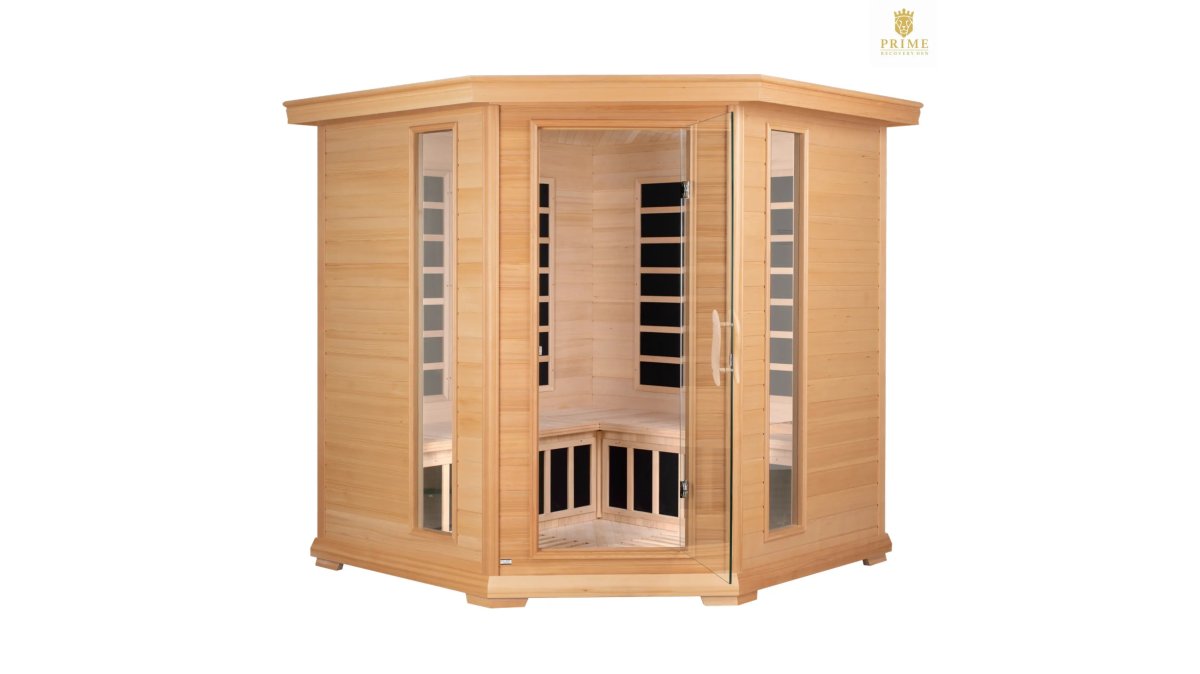
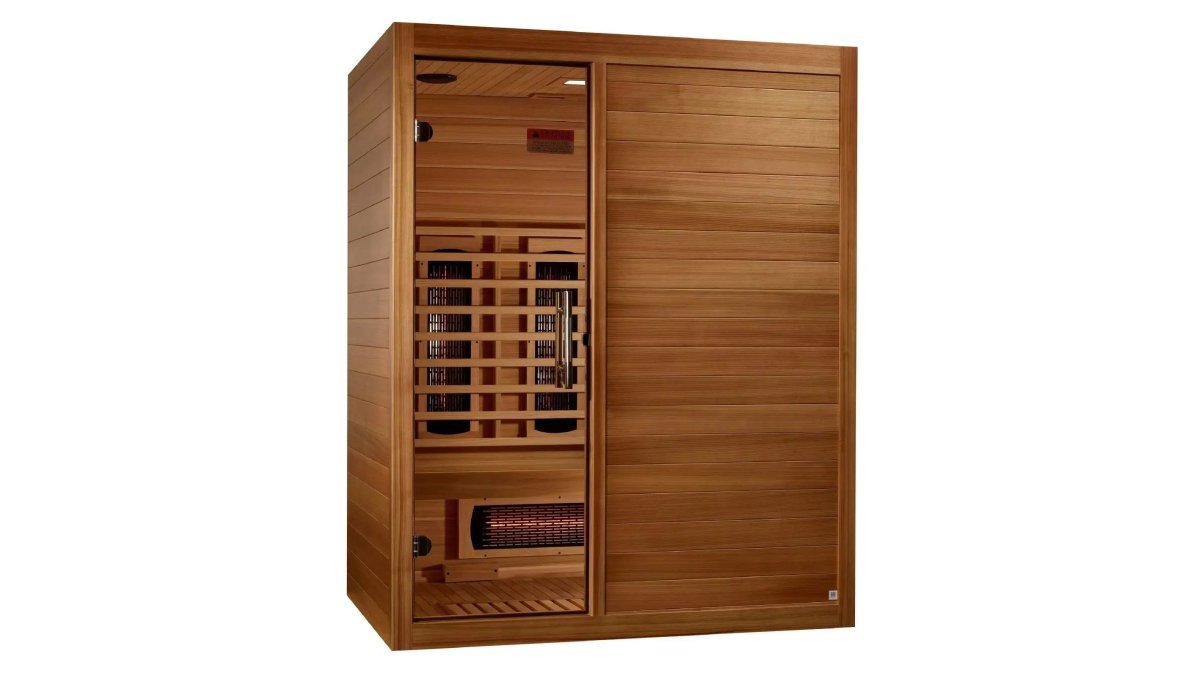
The best home recovery equipment is the setup you will actually use daily, not the most complex system on the market. Two categories cover most needs: cold immersion and heat. For cold, a chiller-ready tub gives you ice-free consistency. For heat, a sauna delivers dry or infrared warmth without leaving the house. Matching equipment to your space and routine beats chasing specs.

Prime Recovery Den carries both ends of the spectrum. The Nicebeam Cryo Pro XXL Inflatable Cold Plunge Tub holds 216 gallons, fits users up to 6'9", and connects to any chiller for automated, ice-free cold immersion. For contrast work, the iCoolsport MiPod Pro Dual Temp All-In-One Bath runs a 5000W chiller and 2000-3000W heater across a 39-104°F range, so one unit handles both hot and cold phases. If you prefer to build your own setup, the Barton DIY Cold Tub gives you a commercial-grade insulated tub with a drip tray, ready for your own chiller.


What you feel with these pieces is the point. A cold plunge that runs ice-free means no morning bag-of-ice ritual, just a calm, deliberate reset before your day. A dual-temp bath means contrast therapy stops being a gym-only luxury and becomes a quiet ritual in your own sanctuary. That sense of control over your own recovery is what turns a purchase into a lifestyle.
Safety Precautions and Contraindications for Thermal Therapy
Thermal therapy is not for everyone, and the contraindications matter. Most guides stop at "check with your doctor," which is not useful when you are standing in front of a cold plunge at 6 a.m. Here is a condition-by-condition breakdown so you can make an informed decision before you get in.
Cardiovascular Conditions
Cold immersion triggers a rapid rise in blood pressure and heart rate as your body tries to preserve core temperature. For someone with uncontrolled hypertension, a recent cardiac event, or an arrhythmia, that surge can be dangerous. Heat carries the opposite risk: vasodilation drops blood pressure, which can cause fainting in people on blood-pressure medication. If you take beta-blockers, ACE inhibitors, or diuretics, your body's ability to regulate temperature is already altered, get medical clearance before either modality.
Diabetes and Neuropathy
Reduced sensation in the feet and hands is the key concern here. If you cannot reliably feel how hot or cold a surface is, you cannot reliably avoid a burn or a cold injury. Diabetic neuropathy also slows wound healing, so any skin damage from extreme temperatures takes longer to resolve. Use a thermometer rather than your hands to judge water temperature, keep heat sessions shorter, and inspect your skin afterward for any redness or blistering that does not fade.
Raynaud's Phenomenon and Cold Sensitivity
Raynaud's causes blood vessels in the fingers and toes to over-constrict in response to cold, turning them white, then blue, then red. Cold immersion can trigger an episode even at moderate temperatures. If you have Raynaud's, skip full cold immersion and stick to brief localized cold, a cold pack wrapped in a towel for 5 minutes, or focus on heat therapy instead.
Pregnancy
Pregnant individuals should avoid hot immersion, which can raise core temperature to levels that are unsafe for fetal development, and should not use extreme cold without medical clearance. Warm, not hot, showers and localized heat on the lower back are generally safer alternatives, but always confirm with your provider.
Open Wounds, Acute Injury, and Reduced Sensation
Heat therapy is not appropriate for open wounds, acute inflammation, or areas with reduced sensation. Applying heat to a fresh injury within the first 48 hours can worsen swelling. If the area is hot, red, and newly injured, use cold first and wait before introducing heat.
Practical Guardrails
- Check with a doctor if you take blood pressure or heart medication, have diabetes, or have a nerve condition
- Use a thermometer, not your hand, to judge water temperature
- Never combine cold immersion with alcohol or exhaustion
- Keep sessions under 15 minutes unless supervised
- Stop immediately if you feel dizzy, numb, or short of breath
- Inspect your skin after every session for redness or blistering that does not fade
Making Safety Effortless
The best safety protocol is the one built into your equipment. A dual-temp bath with precise temperature control removes the guesswork, you set 55°F, you get 55°F, every time. That reliability is what lets you focus on the recovery instead of worrying about whether the water is too cold or the heat too high. When your setup handles the variables, you can relax into the session and trust that you are taking care of your body, not gambling with it.
Building Your Personalized Recovery Protocol
Individualized thermal sensitivity is the variable most guides skip. Two people can use the same temperature and get different results. Track how you respond: note session length, temperature, and how you feel 12 hours later. Adjust one variable at a time. Over a few weeks, you will find the thermal dose that works for your body rather than a generic recommendation.
The psychological recovery benefits are just as real. A deliberate cold plunge or a quiet sauna session signals to your nervous system that training is over and rest has begun. That mental shift supports sleep and reduces the sense of lingering fatigue. Equipment-agnostic protocols help here: the habit matters more than the brand of tub or heater. Build the ritual first, then upgrade the tools.
Recovery is not about doing more; it is about giving your body the right stimulus at the right time. Prime Recovery Den helps you build that environment with thoughtfully chosen equipment, from chiller-ready cold plunges to dual-temp baths that handle both heat and cold in one unit. With free shipping on most orders within the Continental U.S. and support that treats your setup like a long-term investment, we make it simple to create a sanctuary where recovery feels intentional rather than obligatory. Explore the collection and start building your protocol today.
Frequently Asked Questions
How long should you stay in a cold plunge for recovery?
Most recovery protocols recommend 2 to 10 minutes in water between 50 and 59 degrees Fahrenheit. Beginners should start with 2 to 3 minutes and gradually extend sessions. For post-workout recovery, aim for 10 to 15 minutes total, split into shorter intervals if needed. Always exit if you experience numbness or uncontrollable shivering.
What is the optimal order for contrast therapy?
The standard contrast therapy benefits protocol starts with heat, then transitions to cold, and repeats. Begin with 3 to 4 minutes of heat, followed by 1 to 2 minutes of cold. Repeat this cycle 3 to 5 times, always ending with cold to promote vasoconstriction and reduce inflammation. This order maximizes circulatory response and tissue repair.
Is it better to use heat or cold for delayed onset muscle soreness?
For delayed onset muscle soreness, cold therapy works best immediately after exercise to reduce inflammation and numb pain. Heat therapy helps 24 to 48 hours later by increasing blood flow and relaxing tight muscles. Combining both through contrast therapy addresses soreness at every stage of the recovery cycle.
How do I build a home recovery sanctuary for thermal therapy?
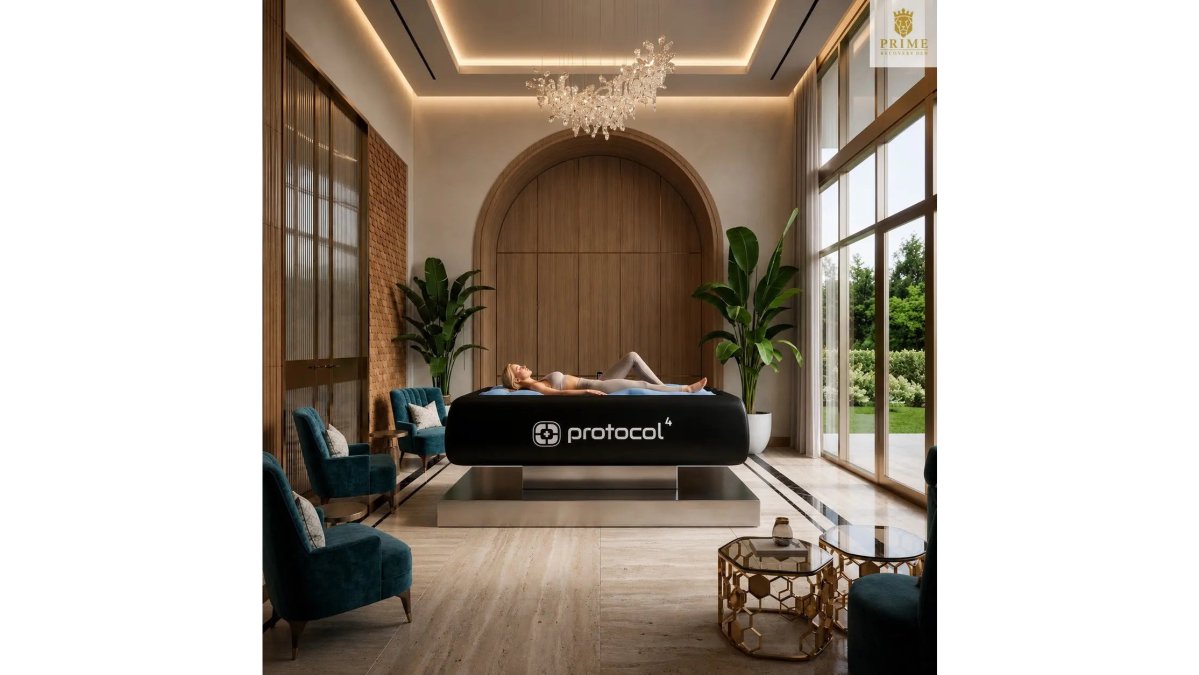
Start with a dedicated space that fits a cold plunge and sauna or heat source. Prime Recovery Den offers equipment like the CryoCloud Recovery Bed for dry cold therapy and the iCoolsport MiPod Pro for dual-temperature immersion. Add comfortable seating, soft lighting, and storage for towels to create a restorative environment that feels intentional rather than clinical.

Leave a comment
This site is protected by hCaptcha and the hCaptcha Privacy Policy and Terms of Service apply.