
Contrast Therapy Benefits and Equipment Guide
Table of Contents
- What Is Contrast Therapy and How Does It Work?
- Key Contrast Therapy Benefits for Recovery and Wellness
- Contrast Therapy Protocol for Athletes: Timing and Cycles
- Best Cold Plunge for Home Use 2026: Key Features to Compare
- Essential Contrast Therapy Equipment and Setup Options
- How to Build a Home Recovery Space That Fits Your Lifestyle
- Safety Precautions, Maintenance, and Common Mistakes
- Conclusion: Your Path to Consistent Contrast Therapy
- Frequently Asked Questions
Last Updated: September 9, 2026
What Is Contrast Therapy and How Does It Work?
Contrast therapy alternates between cold and hot water immersion to stimulate circulation and reduce muscle soreness. It works by creating a "circulatory pump" effect: cold exposure triggers vasoconstriction, narrowing blood vessels, while heat follows with vasodilation, widening vessels to flush tissues with oxygenated blood. This push-and-pull is what separates contrast therapy from a simple ice bath or sauna session.

A full session runs 15 to 25 minutes, making it realistic for busy professionals and athletes. The key is the therapeutic window, the narrow range of temperatures and durations where the body adapts most efficiently. Get this right, and you unlock faster recovery cycles, reduced inflammation, and a noticeable lift in how your body feels the morning after hard training.
The Science of Vasodilation and Vasoconstriction
When you step into cold water, your body constricts peripheral blood vessels, shunting blood toward your core. This vasoconstriction reduces inflammation and numbs pain receptors. When you switch to heat, vasodilation opens vessels and increases blood flow to deliver nutrients while clearing metabolic waste like lactic acid.
Research suggests this alternating thermal shock trains your cardiovascular response, making it more adaptable over time, similar to interval training, but applied through temperature. For most people, the result is improved joint mobility, reduced delayed onset muscle soreness (DOMS), and faster recovery after intense exercise.
Key Contrast Therapy Benefits for Recovery and Wellness
The benefits of contrast therapy extend well beyond post-workout recovery. Consistent practice supports the cardiovascular system by challenging it to respond to rapid temperature shifts. The physical advantages are well-documented, but the psychological rewards are just as compelling, and often overlooked.
The Physical Recovery Benefits
The most commonly cited advantages include:
- Reduced muscle soreness and DOMS after training
- Lowered inflammation and edema management in joints
- Enhanced tissue healing through improved nutrient delivery
- Pain modulation for chronic tightness or overuse injuries
- Improved sleep quality and mental clarity
- A stronger cardiovascular response and metabolic rate over time
For athletes, the contrast therapy protocol for athletes typically involves shorter cold phases (1 to 3 minutes) paired with longer heat phases (3 to 5 minutes), repeated for 3 to 5 cycles. The cold reduces inflammation; the heat promotes blood flow and relaxation. Together, they shorten recovery time between sessions, which is why professional sports clubs and high-performance facilities have adopted the method so widely.
The Mental Health Angle: What Most Guides Miss
The impact of contrast therapy on mood, stress, and mental clarity is a powerful reason to adopt the practice. When you step into cold water, your body releases norepinephrine, a neurotransmitter that sharpens focus and elevates mood.
Regular practitioners describe a sense of calm and resilience that builds over time. Each session is a controlled dose of discomfort you voluntarily overcome, building mental toughness that translates to how you handle pressure.
The Dopamine Connection
Emerging research suggests a link to dopamine regulation, the neurotransmitter associated with motivation and pleasure. Practitioners commonly report a sustained lift in mood for several hours after a session. The key is consistency: a regular practice, two to three times per week, appears to support a more stable and positive baseline mood.
Stress Reduction and Mental Clarity
Beyond the neurochemical response, the ritual itself is a form of active meditation. For 15 to 25 minutes, you are disconnected from screens and the noise of daily life, present in your body, focused on your breath.
How the Mental Shift Feels
Imagine finishing a session not just with less muscle soreness, but with a quiet, focused mind. The anxiety is muted, the mental fog lifts, and you feel a sense of accomplishment, you did something hard for yourself. This feeling of agency is a powerful antidote to chronic stress. The physical recovery is the reason you start; the mental clarity is the reason you stay.
The Holistic Advantage
When you combine the physical and psychological benefits, contrast therapy becomes a cornerstone of overall wellness. You are training your mind to handle discomfort, regulating your mood, and building a ritual that supports your best self. Prime Recovery Den's dual-temperature units make this practice seamless and inviting. Moving from cold to hot without leaving your space removes the friction that kills consistency. When the equipment feels like a sanctuary, you show up more often, and the compounding benefits become undeniable. You feel restored, resilient, and ready to take on the day with a clear head and a steady nerve.

Contrast Therapy Protocol for Athletes: Timing and Cycles
A standard contrast therapy session follows a simple rhythm: cold, then heat, repeated. For most athletes, a 3-to-1 ratio of heat to cold works best. Start with 3 minutes of heat, then switch to 1 to 2 minutes of cold. Repeat this cycle 3 to 5 times, always ending on cold to lock in the anti-inflammatory effect.
Sessions lasting longer than 25 minutes risk overstressing the cardiovascular system, while sessions under 10 minutes may not trigger enough physiological response. Cold water should sit between 50°F and 59°F, while heat should range from 98°F to 104°F. A common mistake is making the cold phase too short or the heat phase too hot, which dulls the contrast effect.
| Protocol Element | Recommended Range | Purpose |
|---|---|---|
| Cold immersion | 1-3 minutes at 50-59°F | Reduce inflammation, numb pain |
| Heat immersion | 3-5 minutes at 98-104°F | Increase blood flow, relax muscles |
| Cycles | 3-5 repetitions | Maximize circulatory pump effect |
| Total session | 15-25 minutes | Balance adaptation and recovery |
Best Cold Plunge for Home Use 2026: Key Features to Compare
Choosing the best cold plunge for home use in 2026 comes down to features that determine whether the unit becomes a daily ritual or an expensive coat rack. Temperature control range tops the list. A unit that only chills to 50°F limits your contrast therapy options; look for one that reaches at least 39°F and heats to 104°F. Filtration and sanitation systems matter equally, since warm water breeds bacteria quickly. Units with built-in ozone or UV purification reduce maintenance.
Marine-grade materials resist the constant thermal cycling of hot and cold water, while high-density insulation keeps operating costs down. A unit that needs dedicated 220V wiring and a reinforced floor may not suit every home, so measure your space and check electrical capacity before committing.

Essential Contrast Therapy Equipment and Setup Options
The right equipment transforms contrast therapy from a chore into a ritual you look forward to. At minimum, you need a cold water source capable of maintaining 50°F or below, a heat source that reaches at least 100°F, and enough space to move safely between them. For many homeowners, that means investing in a dedicated dual-temperature unit rather than juggling a standalone ice bath and a separate hot tub.
Dual-Temperature All-In-One Units vs. Separate Tubs
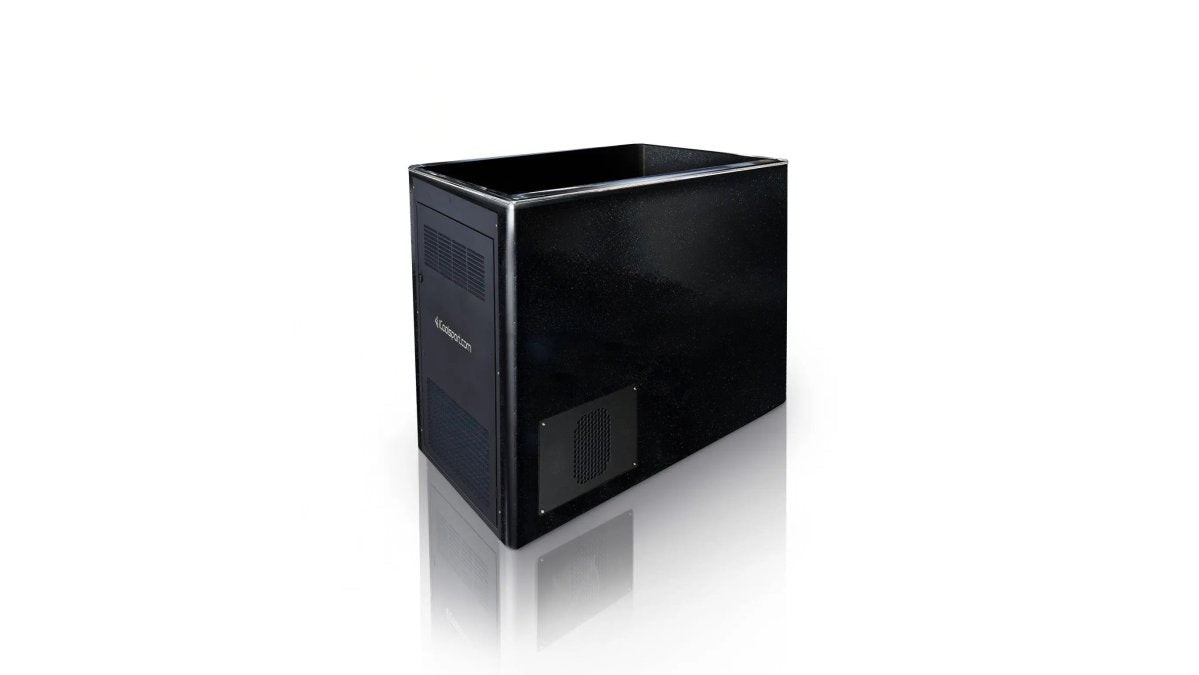
The all-in-one approach, like the iCoolsport MiPod Pro Dual Temp All-In-One Bath, pairs a 5000W chiller with a 2000-3000W heating system in a single marine-grade fibreglass shell, maintaining a range from 39°F to 104°F. You finish a cold cycle, the system reheats the water while you towel off, and you step back into warmth. For contrast therapy, this is the gold standard because the thermal shock is immediate and the water temperature stays consistent.
Separate tubs demand more space and effort, two water systems, two filtration setups, and two maintenance schedules. For most homeowners, an integrated unit delivers a better experience and a cleaner aesthetic. The iCoolsport MiPod Elite Ice Bath & Hot Tub offers commercial-grade construction for daily use, while the Kohler x Remedy Place Ice Bath brings smart temperature control and a design-forward profile.
How to Build a Home Recovery Space That Fits Your Lifestyle
Building a home recovery space starts with understanding how you actually train and recover. A dedicated room or corner with proper flooring, drainage, and ventilation makes the biggest difference in how often you use the equipment. Place the unit with clear access from all sides, allow space for a towel rack and seating, and ensure the floor can handle several hundred gallons of water weight.
When your recovery area feels intentional, with warm lighting and thoughtful design, you are more likely to show up consistently. This is where Prime Recovery Den focuses its curation. The goal is a room that feels like a sanctuary, not a gym locker room. A dual-temperature plunge in a clean, well-lit space becomes a daily ritual that supports both physical recovery and mental clarity.
Safety Precautions, Maintenance, and Common Mistakes
Contrast therapy is safe for most healthy adults, but it demands respect for your body's limits. Start with shorter cold exposures if you are new to the practice. People with cardiovascular conditions, high or low blood pressure, or pregnancy should consult a physician before beginning. Never push through dizziness, numbness, or chest discomfort. Hydration matters too, since both hot and cold immersion deplete fluids.
The Maintenance Gap: Why Most Home Units Fail
Most guides ignore the long-term reality of owning a plunge. The warm water phase creates an ideal environment for bacteria, biofilm, and algae. The top reasons home units get abandoned are not performance failures, they are hygiene failures. Owners skip cleanings, filters clog, and the water turns cloudy.
The Weekly Non-Negotiables
Most quality units include ozone or UV purification, but these systems reduce, not eliminate, your workload. You still need to change filters regularly and test water chemistry weekly. Here is a practical schedule:
| Task | Frequency | Why It Matters |
|---|---|---|
| Test water pH and sanitizer levels | 2-3 times per week | Prevents cloudy water and skin irritation |
| Rinse or replace filter cartridges | Every 2-4 weeks | Maintains water flow and purification efficiency |
| Wipe down the shell and lid | After each use | Prevents biofilm and scale buildup |
| Shock the water with a non-chlorine oxidizer | Weekly | Breaks down organic contaminants from sweat and skin oils |
| Deep clean and drain the unit | Every 3-4 months | Removes scale from heating elements and resets water chemistry |
The Scale Problem Nobody Talks About
A common mistake is neglecting the heating element's scale buildup. Hard water leaves calcium and magnesium deposits on the heater, which acts as an insulator, reducing heating efficiency and shortening the unit's lifespan. If you live in an area with hard water, use a pre-filter when filling the unit or a descaling solution during your deep clean.
Water Chemistry: The Simple Test That Saves You Headaches
A basic test strip that measures pH, alkalinity, and sanitizer levels costs a few dollars and takes 30 seconds. The ideal range for most plunge systems is a pH between 7.2 and 7.8, with alkalinity between 80 and 120 ppm. If your readings drift outside these ranges, adjust with the products recommended by your unit's manufacturer.
Common Mistakes That Shorten Equipment Life
Beyond scale, several errors consistently shorten the lifespan of home recovery equipment:
- Skipping the cover. Leaving the unit uncovered when not in use allows debris, insects, and sunlight to degrade water quality and shell materials.
- Overloading the sanitizer. More is not better. Excess sanitizer can corrode seals and irritate skin. Follow the dosage chart on the product label.
- Ignoring error codes. Modern units have diagnostic systems. A blinking light or error code is not a suggestion, it is a warning. Address it immediately or call support.
- Using the wrong cleaning products. Harsh chemicals can damage marine-grade shells and void warranties. Stick to manufacturer-approved cleaners.
How Proper Maintenance Makes You Feel
There is a profound difference between stepping into a well-maintained plunge and one that has been neglected. When the water is clear and the surfaces are clean, the session feels like a luxury ritual. A clean unit invites daily use, and daily use delivers the physical and mental rewards you are seeking. Prime Recovery Den's curated units are built for easy maintenance, with features like tool-free filter access and self-draining lines, so you spend less time on upkeep and more time feeling restored, clear-headed, and ready for whatever comes next.
The Bottom Line on Upkeep
Owning a plunge is a manageable commitment. A few minutes of weekly attention and a quarterly deep clean keep your water safe, your equipment efficient, and your ritual enjoyable.
Conclusion: Your Path to Consistent Contrast Therapy
The challenge with any recovery practice is consistency. Contrast therapy delivers measurable benefits, but only when you show up regularly. A dual-temperature plunge that fits your home and your aesthetic makes that consistency achievable. Prime Recovery Den's collection, featuring units like the iCoolsport MiPod Pro and the Kohler x Remedy Place Ice Bath, pairs commercial-grade performance with design that complements a sophisticated home. These systems turn recovery into a daily ritual you genuinely look forward to, leaving you feeling restored, clear-headed, and ready for whatever comes next.
Frequently Asked Questions
What are the main benefits of contrast therapy?
Contrast therapy benefits include reduced muscle soreness and DOMS, decreased inflammation, and a boost in circulation from alternating vasodilation and vasoconstriction. This circulatory pump can speed up recovery time and improve joint mobility. Many users also report mental clarity and reduced stress after a session. For athletes, regular use supports functional recovery and can help manage edema after intense training. The key is consistent practice and listening to your body's response.
Is contrast therapy better than just using a sauna?
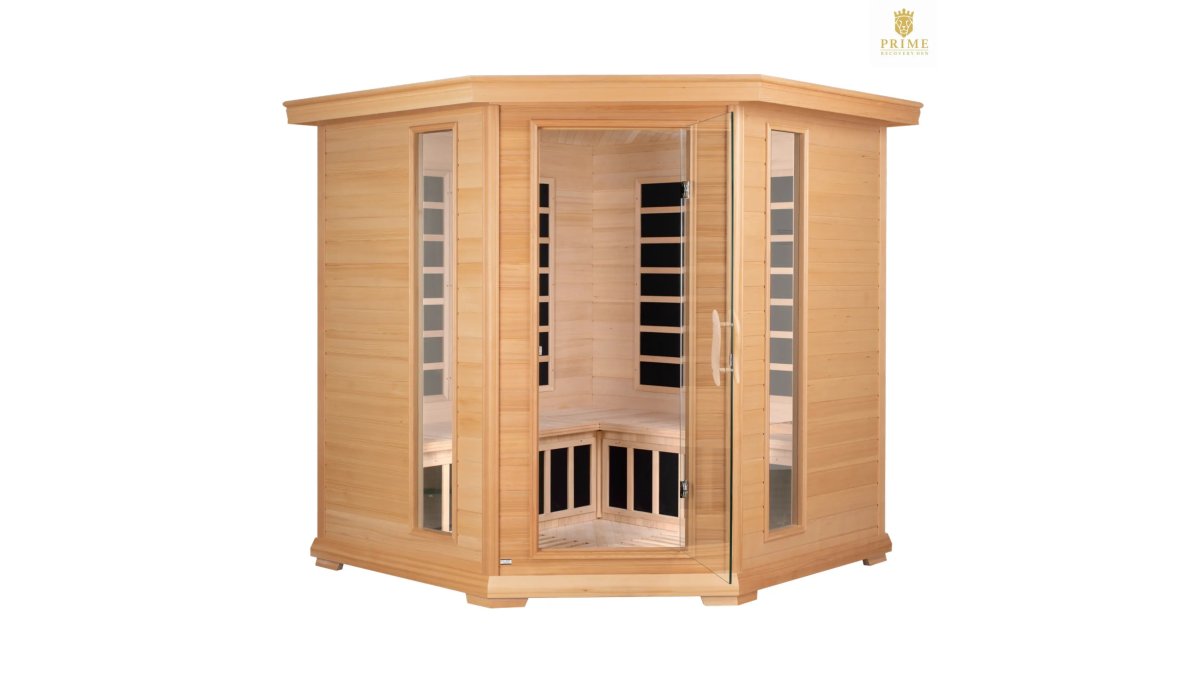
Saunas alone provide excellent heat stress benefits and relaxation, but contrast therapy adds the cold plunge component that triggers vasoconstriction and a stronger circulatory pump. This alternation can be more effective for reducing inflammation and muscle soreness after workouts. The hot phase promotes tissue healing, while the cold phase helps with pain modulation. If your primary goal is post-exercise recovery from DOMS, the combined approach often outperforms heat-only sessions.
How do I choose the best cold plunge for home use in 2026?
When selecting the best cold plunge for home use in 2026, prioritize temperature range, filtration, and build quality. Look for a unit that reaches at least 39°F and offers precise control. Consider whether a dual-temp unit, like the iCoolsport MiPod Pro, adds value by letting you switch to hot water for contrast therapy without a separate tub. Evaluate the chiller's power, insulation efficiency, and whether the design fits your aesthetic. For most homes, a plug-and-play model with marine-grade construction and reliable customer support is the safest investment.
Are there specific safety precautions for contrast therapy?
Yes. Start with milder temperatures and shorter durations to gauge your response. Avoid contrast therapy if you have uncontrolled high blood pressure, heart conditions, or are pregnant. Do not push through numbness or pain; the goal is a strong but manageable thermal shock. Always end on cold if your goal is recovery, and hydrate well afterward. If you have any chronic health concerns, consult a physician before starting an immersion protocol. Listen to your body's signals during each cycle.
Why do I feel so good after contrast therapy?
The alternating hot and cold water stimulates your autonomic nervous system, creating a calming effect that reduces stress. The cold triggers a release of endorphins, often called a 'cold high,' which elevates mood. The contrast also flushes out metabolic waste and delivers fresh oxygenated blood, which can relieve the heavy feeling in tired muscles. This combination of physiological adaptation and hormonal response leaves you feeling energized, clear-headed, and deeply relaxed.

Leave a comment
This site is protected by hCaptcha and the hCaptcha Privacy Policy and Terms of Service apply.