

8 Ways to Create a Home Wellness Sanctuary
Table of Contents
- 1. Declutter and Organize Your Space
- 2. Design a Meditation and Mindfulness Corner
- 3. Incorporate Natural Lighting and Calming Colors
- 4. Install a Home Spa and Bathroom Retreat
- 5. Benefits of Home Cold Plunge Therapy
- 6. Designing a Home Sauna Room
- 7. How to Set Up a Home Recovery Space
- 8. Integrate Aromatherapy and Natural Elements
Last Updated: August 26, 2026
Creating a home wellness sanctuary isn't a luxury reserved for those with unlimited budgets or sprawling estates. It's an intentional practice of designing spaces that restore your body, quiet your mind, and foster genuine connection with the people you care about. Whether you're a fitness enthusiast seeking recovery tools, a professional craving a restorative retreat, or someone simply ready to transform your home into a place of sanctuary, these eight strategies will guide you toward building a wellness environment that feels as sophisticated as it is functional.
At Prime Recovery Den, we offer a curated selection of premium home leisure and wellness products designed to transform your personal space into a sophisticated sanctuary. The difference between a typical home and a true wellness sanctuary lies not in square footage, but in intentionality.
1. Declutter and Organize Your Space
The foundation of any wellness sanctuary is a clean, organized environment. Clutter creates mental noise; it signals incompleteness and demands your attention even when you're trying to relax.
Start by removing items that don't serve a clear purpose. Items with sentimental value but no active use should be stored elsewhere. Cables, paperwork, and miscellaneous objects should have designated homes. Organize what remains using the principle of accessibility: frequently used items within arm's reach, seasonal items in closed storage. Invest in storage solutions that match your aesthetic, whether sleek wooden shelving, stainless steel cabinets, or built-in cabinetry.
A well-organized space signals to your brain that you're safe, in control, and ready to relax.
2. Design a Meditation and Mindfulness Corner
A dedicated meditation and mindfulness corner gives your mind permission to step away from daily demands. This doesn't require a separate room; a corner of your bedroom, an alcove in your living space, or a carefully arranged section of your home office will serve the purpose.
Use a room divider, curtain, or architectural feature to create visual distinction. This physical boundary signals to your brain that you're entering a different mode. Include a comfortable seating option: a meditation cushion, low chair, or cushioned bench that supports good posture without demanding effort.
Lighting matters tremendously. Avoid harsh overhead lights. Instead, use soft, adjustable lighting with a warm bulb (2700K color temperature) that creates an inviting atmosphere without stimulation. Position your corner near a window if natural light is available.
Add one or two meaningful objects, a plant, small water feature, or piece of art that resonates with you. The goal is sensory simplicity, not visual emptiness.
3. Incorporate Natural Lighting and Calming Color Palettes
Natural light is one of the most powerful wellness tools available. Daylight regulates your circadian rhythm, boosts mood, and reduces stress. Position your primary relaxation and recovery spaces to maximize natural light exposure, particularly in the morning and early afternoon.
If your space lacks sufficient natural light, supplement with full-spectrum lighting that mimics daylight (around 5000K during the day, shifting toward warmer 2700K tones in the evening).
Your color palette sets the emotional tone for your sanctuary. Cool colors, soft blues, greens, and grays, naturally calm the nervous system. Warm neutrals like soft beige and warm gray create comfort without overstimulation. Avoid bright, saturated colors in relaxation spaces; reserve those for accent pieces.
Paint is the most cost-effective way to shift your space's emotional impact. A single accent wall in soft sage green or dusty blue can transform a bedroom or recovery room. Pair this with white or soft gray on remaining walls to maintain openness and light.
4. Install a Home Spa and Bathroom Retreat

Your bathroom is one of the easiest spaces to transform into a wellness retreat. Upgrading your bathroom's functionality and aesthetic pays dividends in daily well-being.
Consider installing a steam shower or hybrid system that combines steam with infrared therapy. The Maya Bath Platinum Superior Steam Shower ($8,499.97) integrates a 5KW steam generator, hydro massage whirlpool tub, 12" Android Smart TV, chromotherapy lighting, and built-in foot massager into a single unit. You'll feel the immediate shift from ordinary shower to therapeutic ritual. The steam opens your pores and improves circulation; the whirlpool jets release muscular tension; the chromotherapy lighting influences your mood and energy. This is deliberate recovery built into your daily routine.
A more accessible entry point is the Maya Bath Platinum Anzio-R Steam Shower ($6,499.97), which delivers spa-grade features in a space-efficient design with six recessed body jets, rainfall showerhead, ozone sterilization, and 12" Android Smart TV. The ozone system keeps the enclosure hygienic; the body jets target tension points; the entertainment options make longer sessions enjoyable.
Pair your shower upgrade with heated towel racks, soft lighting, and quality bath products. The ritual of warming your towels and stepping into a heated, steam-filled enclosure signals to your nervous system that recovery is happening.
5. Benefits of Home Cold Plunge Therapy
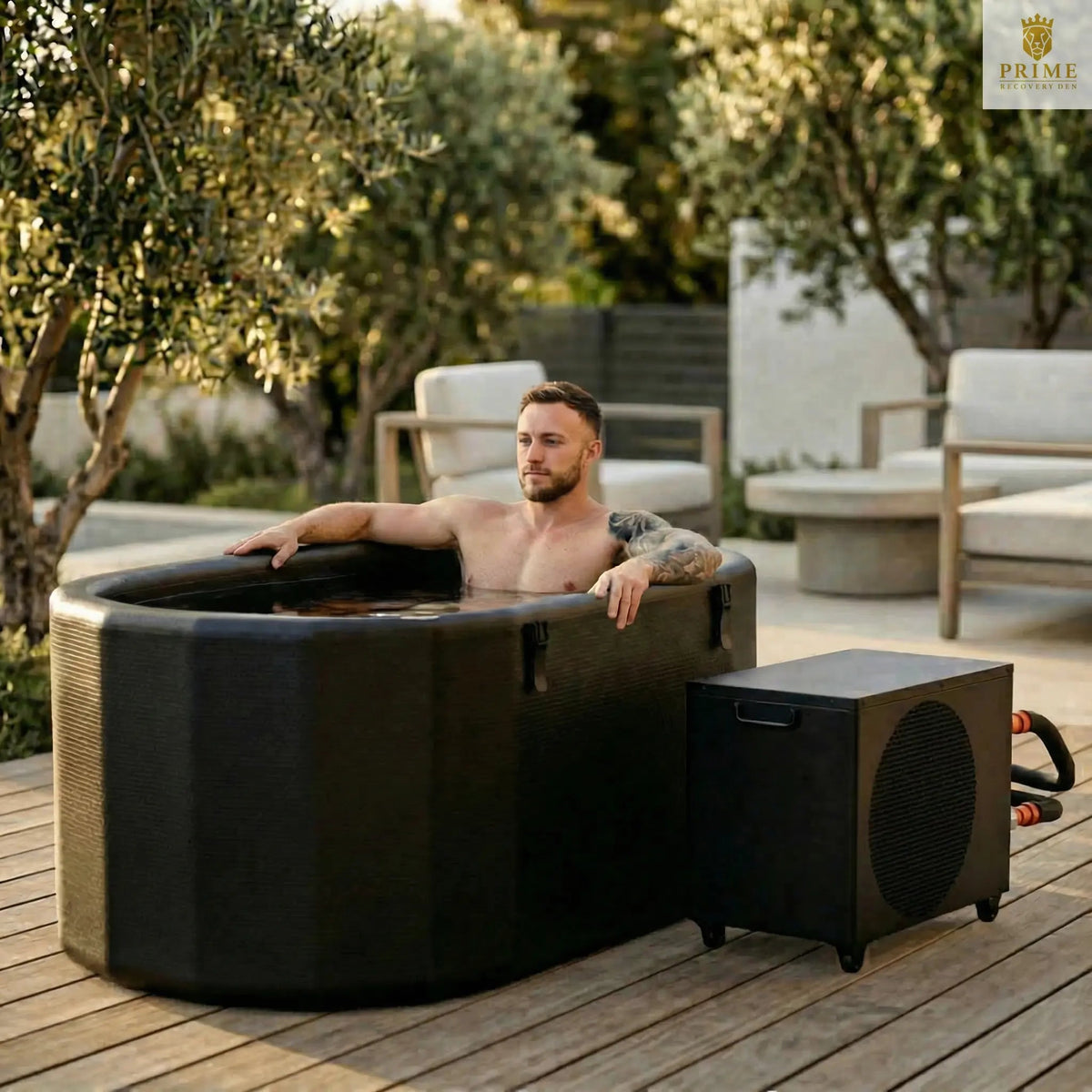
Cold plunge therapy, immersion in water between 50-59°F for 1-3 minutes, triggers a cascade of physiological benefits that compound with regular practice (peer-reviewed research). Cold exposure activates your parasympathetic nervous system (your "rest and digest" mode) after the initial shock passes (peer-reviewed research). Your body releases endorphins, which improve mood for hours afterward. Regular cold plunging increases your resilience to stress, improves circulation, reduces inflammation in muscles and joints, and enhances mental clarity.
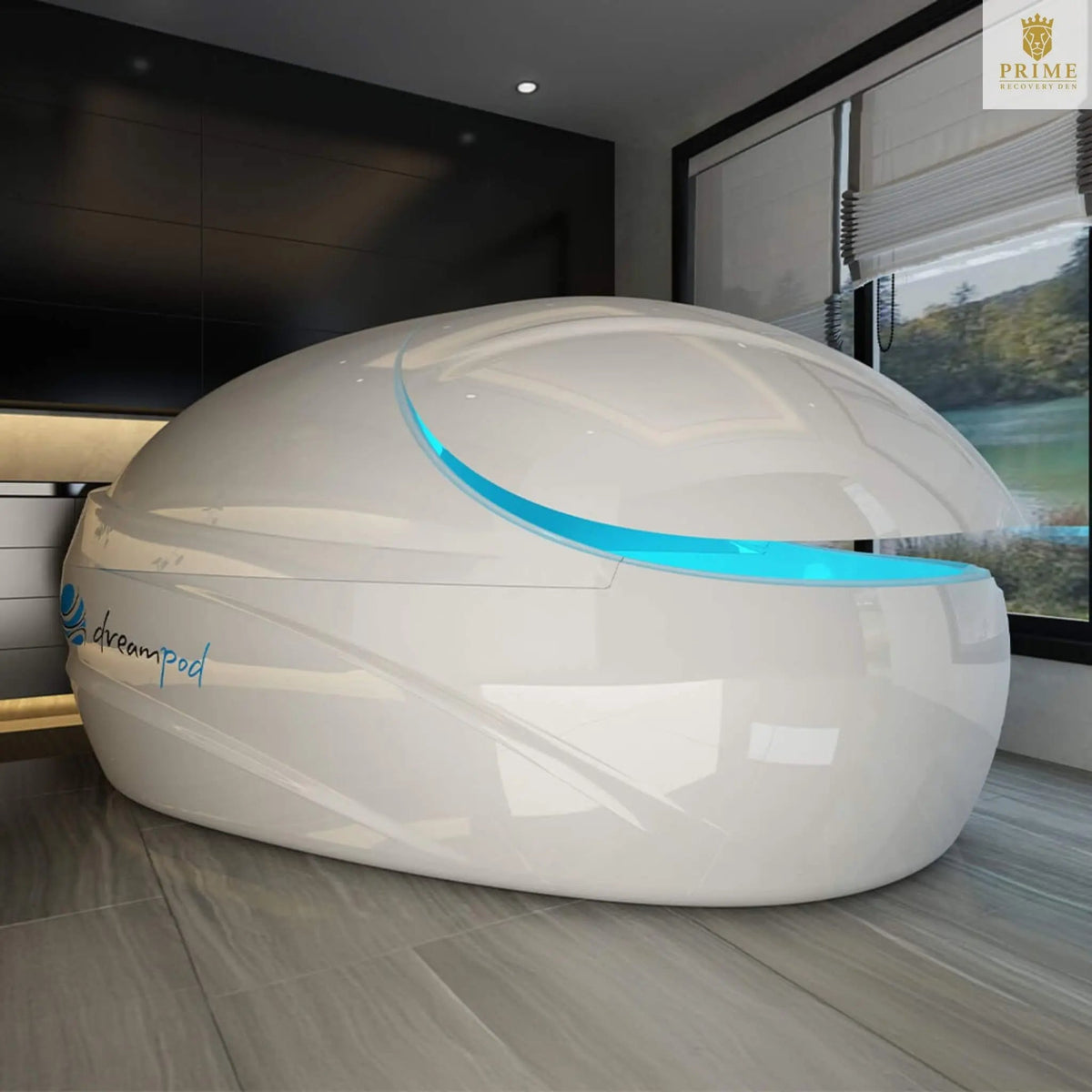
The Dreampod Sport Flotation Sensory Isolation Tank ($17,499.97) combines cold plunge capability with sensory deprivation, two of the most powerful recovery modalities available. Floating in 1,200 pounds of Epsom salt creates effortless buoyancy while eliminating light and sound. Your nervous system downshifts into deep relaxation; your muscles release tension; your mind achieves clarity impossible in daily life. You'll emerge feeling weightless, mentally refreshed, and genuinely restored.
For dedicated cold plunge without flotation, the Dreampod V2 ($21,499.97) and Dreampod V-Max ($23,499.97) offer commercial-grade cold immersion with advanced controls and TCP/IP connectivity. The V-Max is spacious enough for couples to float together, transforming recovery into a shared experience.
The psychological shift from a cold plunge is equally important as the physiological one. You've voluntarily done something difficult; you've proven to yourself that you're capable of discomfort and recovery.
6. Designing a Home Sauna Room

A home sauna room is the centerpiece of a wellness sanctuary. Unlike cold plunging, sauna therapy is deeply restorative and feels indulgent while delivering measurable health benefits. Regular sauna use improves cardiovascular function, reduces muscle soreness, enhances skin health, and provides profound mental relaxation (peer-reviewed research).
The Rövia Luma 2-Person Indoor Hybrid Sauna ($5,999.97) combines far-infrared dry heat (up to 149°F) with traditional steam (up to 195°F) in a single Canadian hemlock cabin. You control which mode you use, infrared for gentler, longer sessions or steam for intense, shorter experiences. The 7-color chromotherapy lighting sets the mood; the smart control panel puts everything at your fingertips. Two people can share a session, transforming recovery into connection.
For more space, the Rövia Aurora 3-Person Indoor Hybrid Sauna ($6,499.97) seats three comfortably with a more powerful 4.5KW steam heater. The Rövia Oasis 3-Person Indoor Hybrid Sauna ($8,399.97) adds a built-in lounge chair and 6KW heater for the most luxurious experience.
For budget-conscious buyers, the Premium 360-Degree Full-Body Far Infrared Sauna Dome ($2,699.97) delivers serious infrared therapy in a compact, portable unit. It features three independently controlled heating zones, Jade and Tourmaline stones for amplified infrared intensity, and True Zero EMF technology. Preheats in 5-10 minutes and plugs into a standard outlet. You'll feel the difference immediately, deep, penetrating warmth that reaches muscles and joints in ways ordinary saunas cannot.
Choose a location with adequate ventilation and privacy. Wood construction (Canadian hemlock is ideal) creates warmth and authenticity that metal or plastic cannot match. The smell of warm wood is itself therapeutic.
7. How to Set Up a Home Recovery Space
A dedicated recovery space consolidates your wellness tools and creates a psychological boundary between daily demands and deliberate restoration.
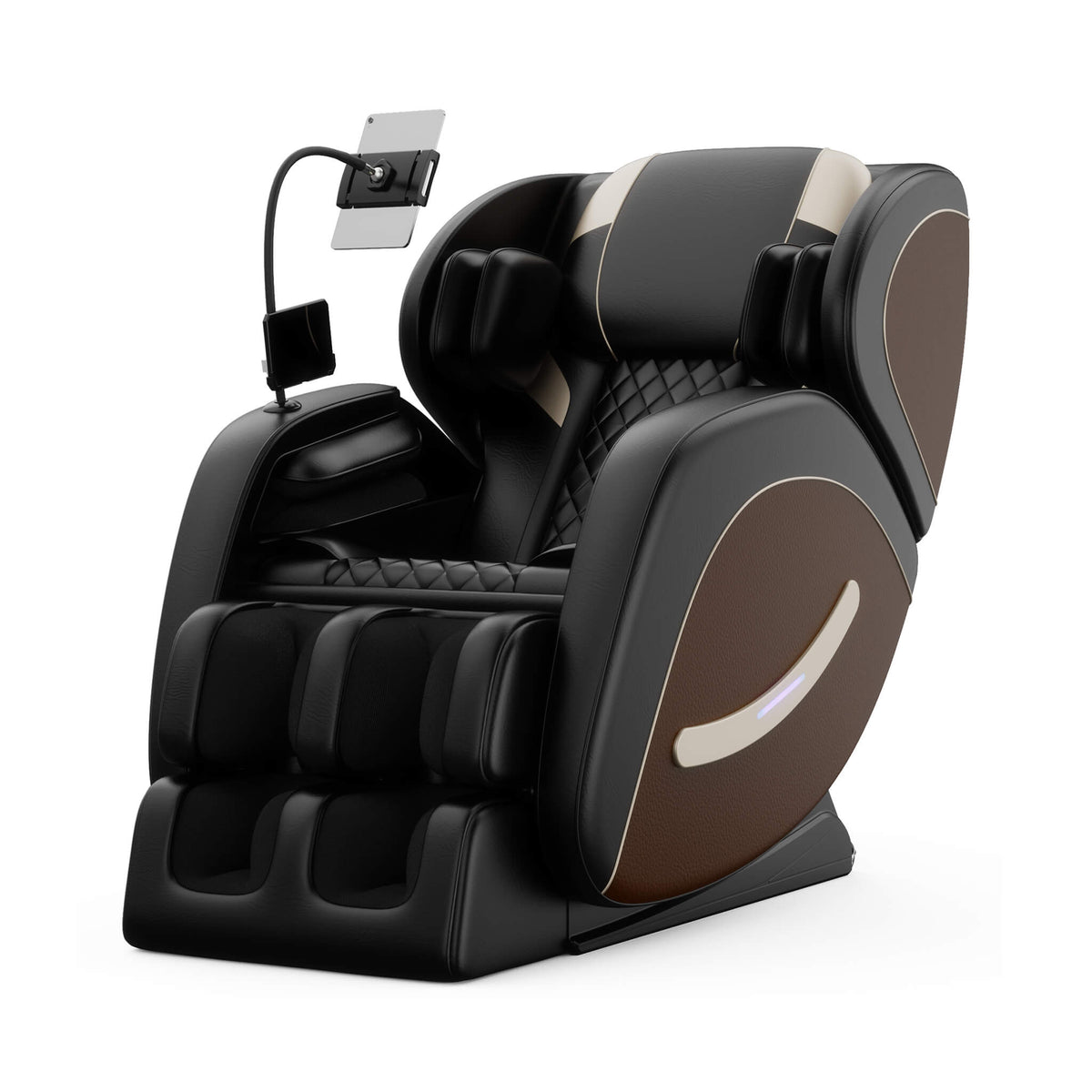
Your recovery space should include a comfortable surface for stretching and mobility work, a yoga mat, a foam roller, and perhaps a massage stick. These tools cost $50-150 total and deliver disproportionate benefits. Add a recovery chair or recliner where you can sit with your legs elevated. Elevation aids circulation and signals your body that rest is happening.
Consider adding a blanket warmer for post-sauna or post-cold-plunge comfort. The Summit 24" Passive-Heat Blanket Warmer ($6,299.97) holds up to 48 blankets at optimal warming temperatures (90-140°F). Stepping out of a sauna into a pre-warmed blanket is a sensory experience that deepens relaxation. The passive heating technology operates silently with no moving parts, simply maintaining warmth without fans or noise.
Lighting in your recovery space should be fully dimmable. Install a multi-way switch or use smart bulbs you can control from your phone. Soft, warm lighting (2700K) signals your nervous system that recovery is the priority.
Sound management matters. A white noise machine, small water fountain, or soft background music can mask external noise. Gentle ambient sound creates comfort without stark silence.
8. Integrate Aromatherapy and Natural Elements
Scent is one of the most direct pathways to your limbic system, the part of your brain that controls emotion and memory. Strategic aromatherapy transforms your wellness space from visually calm to sensorily restorative.
Essential oils like lavender, eucalyptus, and cedarwood have documented effects on relaxation and mood. Use a diffuser in your meditation corner, sauna, or recovery space. The scent should be subtle, noticeable but not overwhelming.
Natural elements, plants, wood, stone, water, create biophilic design, which incorporates nature into interior spaces. Your nervous system responds to natural materials and living things with measurable calm.
Add indoor plants to your wellness areas. Pothos, snake plants, and peace lilies are low-maintenance and improve air quality. The act of caring for plants is itself therapeutic.
Incorporate natural materials in your furnishings and finishes. Wood, stone, natural fibers, and untreated materials feel more authentic than synthetic alternatives. A wooden sauna feels fundamentally different from a plastic one.
Water elements, a small fountain, fish tank, or bowl of water with floating flowers, add movement and sound that calm the mind.
Building a home wellness sanctuary is an investment in your physical health, mental clarity, and daily quality of life. The eight strategies outlined here work together to create an environment where genuine restoration happens.
Prime Recovery Den's curated collection of premium wellness equipment, from flotation tanks and saunas to steam showers and blanket warmers, transforms these strategies from abstract ideals into tangible daily practices. When you step into a warm sauna, float weightless in an isolation tank, or emerge from a cold plunge wrapped in a pre-warmed blanket, you're not just experiencing comfort. You're experiencing the quiet satisfaction of time genuinely well spent, the physical sensation of your body recovering, and the mental clarity that comes when your nervous system finally downshifts into rest. That's what a home wellness sanctuary delivers: not a room, but a daily practice of intentional restoration that changes how you feel, how you recover, and ultimately, how you live.
Frequently Asked Questions
Q: What are the essential elements of a home wellness sanctuary?
A: A home wellness sanctuary combines decluttered space, calming colors, natural light, dedicated relaxation areas, and premium recovery equipment. Key elements include a meditation corner, quality air and lighting, aromatherapy, indoor plants, and restorative tools like saunas or flotation tanks. The goal is to create an intentional environment that supports physical recovery and mental clarity, making you feel rejuvenated and centered.
Q: How can I create a wellness sanctuary in a small space?
A: Start with vertical storage to declutter, use mirrors to amplify natural light, and choose multi-functional pieces. A compact infrared sauna dome like the Premium 360-Degree Far Infrared Sauna Dome ($2,699.97) requires minimal floor space while delivering full-body recovery benefits. Add a small meditation corner with plants and soft lighting. Even a dedicated chair, calming colors, and aromatherapy can transform a corner into your personal sanctuary.
Q: What is the psychological impact of a dedicated home wellness area?
A: A dedicated wellness space signals to your brain that relaxation and recovery are priorities. This intentional design reduces stress, improves focus, and creates a mental boundary between daily demands and personal restoration. When you step into your sanctuary, your nervous system recognizes the environment as safe and restorative, triggering deeper relaxation and mental clarity. Over time, this consistency enhances overall well-being and resilience.
Q: How do I choose the right recovery equipment for my home wellness sanctuary?
A: Consider your space, budget, and wellness goals. Flotation tanks like the Dreampod Sport ($17,499.97) offer sensory isolation and stress relief. Hybrid saunas like the Rövia Luma ($5,999.97) combine infrared and steam for flexibility. Steam showers like the Maya Bath Platinum Anzio-R ($6,499.97) fit smaller bathrooms. Start with equipment that addresses your primary recovery need, whether that's muscle tension, stress, or circulation, then expand as your sanctuary grows.
Q: What maintenance is required for home wellness equipment?
A: Most premium equipment requires minimal upkeep. Saunas need occasional wood conditioning and heater inspection. Float tanks require regular Epsom salt monitoring and water filtration checks. Steam showers benefit from ozone sterilization systems that keep surfaces hygienic. Blanket warmers like the Summit ($6,299.97) need passive heating maintenance with no moving parts to service. Quality equipment from Prime Recovery Den is built for durability and includes thoughtful customer support to keep your sanctuary functioning optimally.
This article was written using GrandRanker

Leave a comment
This site is protected by hCaptcha and the hCaptcha Privacy Policy and Terms of Service apply.