


7 Steps to Safely Start Cold Water Therapy at Home
Last Updated: November 16, 2026
Quick Summary
Cold water therapy means immersing your body in water, usually between 50 and 60 degrees Fahrenheit, for a few minutes at a time. To start safely, begin with one to two minute sessions in warmer water, never plunge alone, and get medical clearance first if you have a heart condition or take certain medications.
- Begin with one to two minutes in water around 60-65°F during your first week.
- Never plunge alone, and never plunge after drinking alcohol.
- Get out right away if you feel chest pain, trouble breathing, or confusion.
- Check with a doctor first if you have heart disease, uncontrolled blood pressure, or pregnancy.
Table of Contents
- What Cold Water Therapy Is and What It Can and Cannot Do
- Cold Water Therapy Dangers You Need to Know Before Your First Plunge
- Who Should Avoid Cold Water Therapy and When to Check With a Doctor
- Setting Up Cold Water Therapy at Home Safely
- Cold Plunge Duration for Beginners: A Week-by-Week Progression
- Cold Water Therapy and Sauna: Combining Heat and Cold Safely
- Start Your Cold Plunge Routine With the Right Equipment
- Frequently Asked Questions
What Cold Water Therapy Is and What It Can and Cannot Do
Cold water therapy is the practice of immersing your body in cold water, usually between 50 and 60 degrees Fahrenheit, for a few minutes at a time. Many people start with a home cold plunge to help them recover after hard training and to close out a long day feeling clear and calm. Compare home cold plunge tubs with temperature control and filtration to find one that fits a beginner routine.
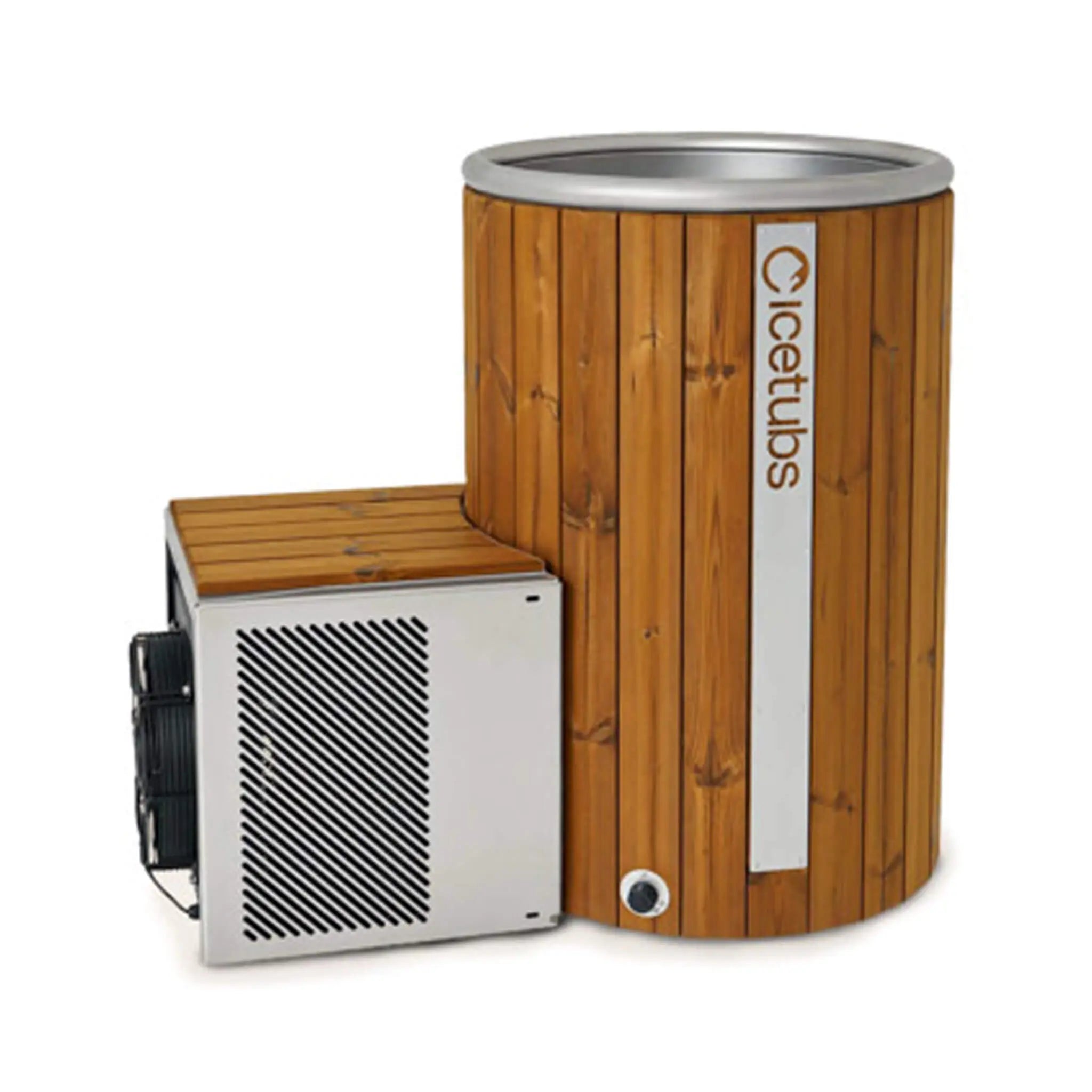
The honest picture matters before you step in. Many people report less soreness and a sense of alertness after a plunge. Research on the effects is still developing, so treat any claim about long-term health gains with caution. Cold water therapy is best seen as a recovery habit, not a cure.
- Often reported: less muscle soreness after training
- Often reported: a brisk, awake feeling afterward
- Not established: lasting changes to immunity or disease risk
National Institutes of Health overview of cold exposure research
Cold Water Therapy Dangers You Need to Know Before Your First Plunge
The biggest danger in the first minute is cold shock. The water triggers a sharp gasp and a fast spike in heart rate and blood pressure. People with heart conditions are most at risk during this moment.
Never plunge alone, and never plunge after drinking alcohol. For a full list of home precautions, see cold plunge safety tips for home users. Staying too long can lead to numbness, shivering that will not stop, dizziness and confusion. Those are signs to get out now.
Watch out: a plunge that feels fine at first can still cause trouble once you climb out, because body temperature keeps dropping for a short time afterward.
Who Should Avoid Cold Water Therapy and When to Check With a Doctor
Cold water therapy is not risk-free, and some people should not start without a doctor's clearance. The cold shock response, a sudden gasp, rapid heartbeat, and spike in blood pressure, can be dangerous for anyone with an underlying condition. Most practitioners agree that a careful screening conversation with a healthcare professional is the safest first step.
Use this checklist as a starting point for that conversation. If any item applies to you, get medical advice before your first plunge.
- Heart conditions: coronary artery disease, heart failure, arrhythmias, or a history of heart attack or stroke.
- High blood pressure that is not well controlled.
- Circulation disorders: Raynaud's disease, peripheral artery disease, or a history of blood clots.
- Diabetes with nerve damage (neuropathy) that reduces feeling in your feet or hands.
- Pregnancy: cold water can cause sudden changes in blood pressure and heart rate; check with your obstetrician.
- Medications that affect circulation or body temperature: blood pressure medications (especially beta-blockers and diuretics), heart medications, and some antidepressants.
- Any condition that causes fainting or loss of consciousness, such as epilepsy or vasovagal syncope.
- Open wounds or skin infections that could be worsened by cold water exposure.
Watch out: a generic warning is not enough. If you take prescription medication, ask your doctor specifically whether cold water immersion is safe for you, some drugs blunt the body's ability to regulate temperature, which can make hypothermia more likely.
For most healthy adults, the risk is low when sessions are short and supervised. But if you have any doubt, err on the side of caution. A quick check now can prevent a serious problem later.
Setting Up Cold Water Therapy at Home Safely
A safe home setup starts with the physical space. Choose a flat, level spot that can hold the weight of a full tub, water is heavy, so a ground-floor patio, garage slab, or reinforced deck is best. Read a step-by-step guide to setting up a cold plunge at home for placement, water and setup tips. Avoid slippery tile and make sure you can step in and out without a tall lift. Keep the area clear of clutter and have a nonslip mat right beside the tub.
Water depth and entry/exit: For a cold plunge, water depth should be enough to submerge your body up to the shoulders when seated, but not so deep that you cannot stand comfortably. Most home tubs are 30 to 36 inches deep. Ensure the tub has a stable step or bench for entry and exit, never climb over a high wall. If you use an inflatable tub, place it on a firm surface and check that the sides are rigid enough to lean on without collapsing.
Supervision: Never plunge alone, especially for your first few sessions. Have a companion nearby who knows the warning signs (see below) and can help you out if needed. A phone within reach is a good backup, but do not rely on it as your only safety plan.
Sanitation: Cold water does not kill bacteria. Change the water regularly (every few days for small tubs, or according to the manufacturer's instructions), and clean the tub with a mild disinfectant between uses. If you use a chiller, follow its maintenance schedule. Poor sanitation can lead to skin infections or gastrointestinal illness.
Avoid isolated or locked setups: Do not place your tub in a locked room or a remote area where no one can hear you call for help. Keep the path to the tub clear and well-lit, especially if you plunge in the evening.
Our Barton 150-Gallon Cold Plunge Tub is built for a custom, iceless setup with a chiller, giving you a steady cold-water routine at home. The Nicebeam Cryo Pro XXL inflatable tub sets up in minutes and works indoors or outdoors, so it can fit a garage or patio routine. Both help you skip buying bags of ice every day, which means a steadier routine and a more comfortable first few weeks. With the right tub and a safe setup, you can focus on the benefits, feeling refreshed, clear-headed, and proud of building a healthy habit.
Cold Plunge Duration for Beginners: A Week-by-Week Progression
Start short and build slowly. Most beginners do well with one to two minutes in the first week, then add a little time each week as they get used to the cold. Many guides advise staying in for three to five minutes once you are comfortable, but time in the water matters less than how you feel.
| Week | Water Temperature | Session Length | Frequency |
|---|---|---|---|
| 1 | 60-65°F | 1-2 minutes | 2-3 times a week |
| 2 | 55-60°F | 2-3 minutes | 3 times a week |
| 3 | 50-55°F | 3-4 minutes | 3-4 times a week |
| 4 | 50-55°F | Up to 5 minutes | 3-4 times a week |
These numbers are a starting point, not a target. Warmer water is easier to tolerate and is the safer place to begin.
Stop Criteria and Warning Signs During a Session
Get out right away if you feel chest pain, pressure or tightness, trouble breathing, confusion, or lips or fingers turning blue. Also get out if you cannot stop shaking or lose feeling in your hands or feet.
Shorten your session if you feel dizzy or your breathing will not slow down. Breathe slowly through your nose during the first minute to help control the gasp reflex.
Cold plunge water temperature by week of progression
Cold Water Therapy and Sauna: Combining Heat and Cold Safely
Some people alternate a sauna with a cold plunge, sometimes called contrast therapy. This adds stress to your heart, so it is not for everyone, and it is best done only after you are comfortable with cold water alone. Always cool down gradually and never jump from a very hot sauna straight into very cold water.
If you add a sauna, keep sessions shorter and drink water between rounds.
Start Your Cold Plunge Routine With the Right Equipment
Choosing the right tub makes a safe routine much easier. A permanent, insulated tub with a chiller holds a steady temperature. A portable inflatable tub is a lower-cost way to try cold water at home before you commit to more equipment. Compare portable and permanent cold plunge systems side by side before you buy.
We recommend the Barton 150-Gallon Cold Plunge Tub if you want to build a custom setup around a chiller, and the Nicebeam Cryo Pro XXL if you want something portable that fits in a garage or on a patio. Both let you skip buying bags of ice every day.
Start with short sessions, keep someone nearby, and stop when your body tells you to. With the right tub and a slow start, cold water therapy at home can become a calm part of your week.
Frequently Asked Questions
What is the best way to start cold plunges?
Start with cold showers or a brief face and hand immersion, then move to short plunges of one to two minutes at a comfortable cold temperature. Keep sessions controlled, breathe slowly, and build time gradually over several weeks. Stop immediately if you feel chest pain, dizziness, numbness that does not fade, or shortness of breath. Having a second person nearby is a sensible precaution, especially for your first few sessions in a home setup.
How long should a beginner stay in cold water?
Most beginners should start with one to two minutes of immersion and avoid going longer during the first week. Add roughly 30 seconds per session only when you feel calm and in control. Many people settle in the two to five minute range over time, but there is no reason to push further. Shorter, consistent sessions are safer and easier to maintain than long, uncomfortable ones.
How many times a week should you do cold water therapy?
Beginners often start with two or three sessions per week, leaving at least one rest day between them so the body can adjust. Once your tolerance is stable, some people plunge four or five times a week. Frequency matters less than how you feel afterward. If you feel unusually fatigued, dizzy or unwell, reduce sessions and check with a healthcare professional before continuing.
What should you do after a cold plunge?
Get out of the water slowly, dry off, and put on warm layers, a robe or a hat to prevent continued heat loss. Avoid a sudden hot shower right away, as rapid rewarming can make you lightheaded. Gentle movement and a warm drink help. Let your body return to normal temperature before driving or doing anything that requires focus, and avoid alcohol immediately after your session.


Leave a comment
This site is protected by hCaptcha and the hCaptcha Privacy Policy and Terms of Service apply.