


Why Traditional Wood-Burning Saunas Feel Different
Last Updated: November 14, 2026
Quick Summary
The benefits of wood-burning saunas come from radiant heat: a fire heats a mass of stones that release soft, enveloping warmth from every direction, and water on those stones produces layered steam called löyly. The trade is time and attention, since the fire must be built and fed before you sit.
- An electric heater warms air fast and evenly, while a wood stove radiates heat in slow waves.
- Plan on roughly an hour from cold start to first sit with a wood-burning stove.
- Use dry, seasoned firewood and build a small, hot fire rather than a large, smoldering one.
- Have the chimney inspected and cleaned regularly, since a blocked flue causes poor draft.
- Choose a four-person footprint for couples and an eight-person room for families and hosting.
Table of Contents
- Why Wood-Burning Saunas Feel Different From Electric Heat
- Traditional Sauna Benefits for Body and Mind
- Wood Burning Sauna vs Electric: Which Heat Suits Your Home
- Wood-Fired Sauna Safety and Maintenance Essentials
- How to Choose the Best Wood Burning Sauna for Your Space
- The Costs and Trade-Offs of Owning a Wood-Fired Sauna
- Designing Your Backyard Sauna Ritual With Prime Recovery Den
- Frequently Asked Questions
Why Wood-Burning Saunas Feel Different From Electric Heat
The benefits of traditional wood burning saunas start with a sensation you can feel before you sit down: a fire has been tended, and the room itself seems to breathe.
Radiant warmth is the reason. An electric heater raises air temperature quickly and evenly, which is efficient but flat. A wood-burning stove heats a mass of sauna stones, and those stones release heat in slow, enveloping waves. The air feels softer, less sharp against the skin, and the heat seems to come from every direction rather than one corner.
Then there is löyly, the Finnish practice of ladling water onto hot stones. On a properly heated wood stove, water on hot stones produces a steam that rolls outward in layers, briefly raising humidity without the sting of a dry electric element. The sensory experience is rounder, more gradual, and unmistakably tied to fire.
Traditional Sauna Benefits for Body and Mind
Traditional sauna benefits are real, but they are the benefits of sauna bathing in general, not a special property of fire. Heat is heat once it reaches the body. What changes with a wood-fired sauna is how pleasant the delivery is, which matters more than most buyers expect.
Circulation, muscle recovery, and stress relief
Sitting in heat raises skin temperature and widens blood vessels, which is why sauna bathing feels like circulation in motion. Muscles loosen. The shoulders drop.
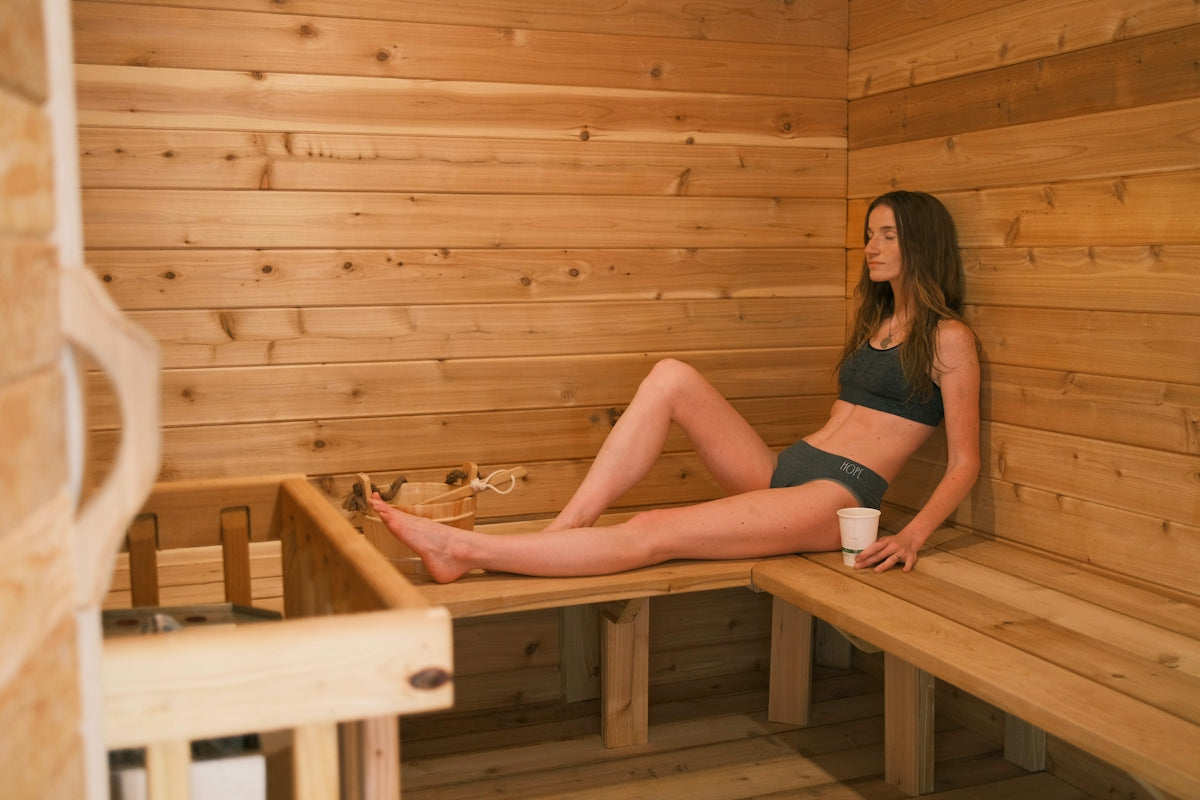
The mental side is just as tangible. A wood-fired sauna asks you to slow down: build the fire, wait for the stones, sit without a screen. That ritual quality is where relaxation and stress relief actually come from. It is hard to rush a sauna that runs on wood.
What the evidence supports and what it doesn't
Here is the honest version most sauna marketing skips. Sauna bathing is a popular way to relax, and it is worth approaching health claims about it with care.
Sauna use is a genuinely enjoyable way to unwind, and we would rather you buy a sauna for how it makes you feel than for any medical claim.
For a fuller look at the research, this breakdown of sauna health benefits covers the documented effects in more depth.
Wood Burning Sauna vs Electric: Which Heat Suits Your Home
The wood burning sauna vs electric question comes down to three things: how you want the heat to feel, how much tending you want to do, and what your yard allows. Neither is better. They suit different households, and the honest way to choose is to understand the mechanism behind each.
An electric sauna heater uses resistive elements to warm the air and a basket of stones. It reaches temperature fast, holds a set point precisely, and asks nothing of you beyond a dial or a timer. The heat is even and dry, and the steam from ladling water onto the stones is sharp and immediate. That precision is genuinely useful: a session can start twenty minutes after a decision.
A wood-burning stove works differently. A fire heats a mass of stones slowly, and those stones radiate heat in long waves while the stove body and chimney keep drawing air through the room. The result is a softer, more enveloping heat with a wider radiant component and a steam quality that rolls out in layers rather than snapping upward. The trade is time and attention: the fire needs to be built and fed, and the room reaches temperature on the stove's schedule, not yours.
| Factor | Wood-Burning Sauna | Electric Sauna |
|---|---|---|
| Heat quality | Radiant and enveloping; slower to build, longer to fade | Even and dry; fast to reach temperature, quick to cool |
| Steam and löyly | Rich, layered steam from a large stone mass | Works well, slightly sharper and more immediate |
| Setup | Needs firewood storage, chimney, fresh-air intake, and clearance to combustibles | Needs a dedicated electrical circuit sized to the heater |
| Daily effort | Fire building, feeding, ash cleanup | Turn a dial or set a timer |
| Session lead time | Plan on roughly an hour from cold start to first sit | Ready in well under an hour |
| Best for | Ritual-minded bathers, rural yards, households that enjoy the fire itself | Busy households, quick sessions, tighter lots |
A few practical distinctions matter more than the marketing suggests. Wood stoves need a flue that drafts well, a dry wood supply, and enough clearance from walls and benches. Electric heaters also hold a set temperature without input, while a wood stove runs on a curve: hottest after a feed, gentler as the fire settles.
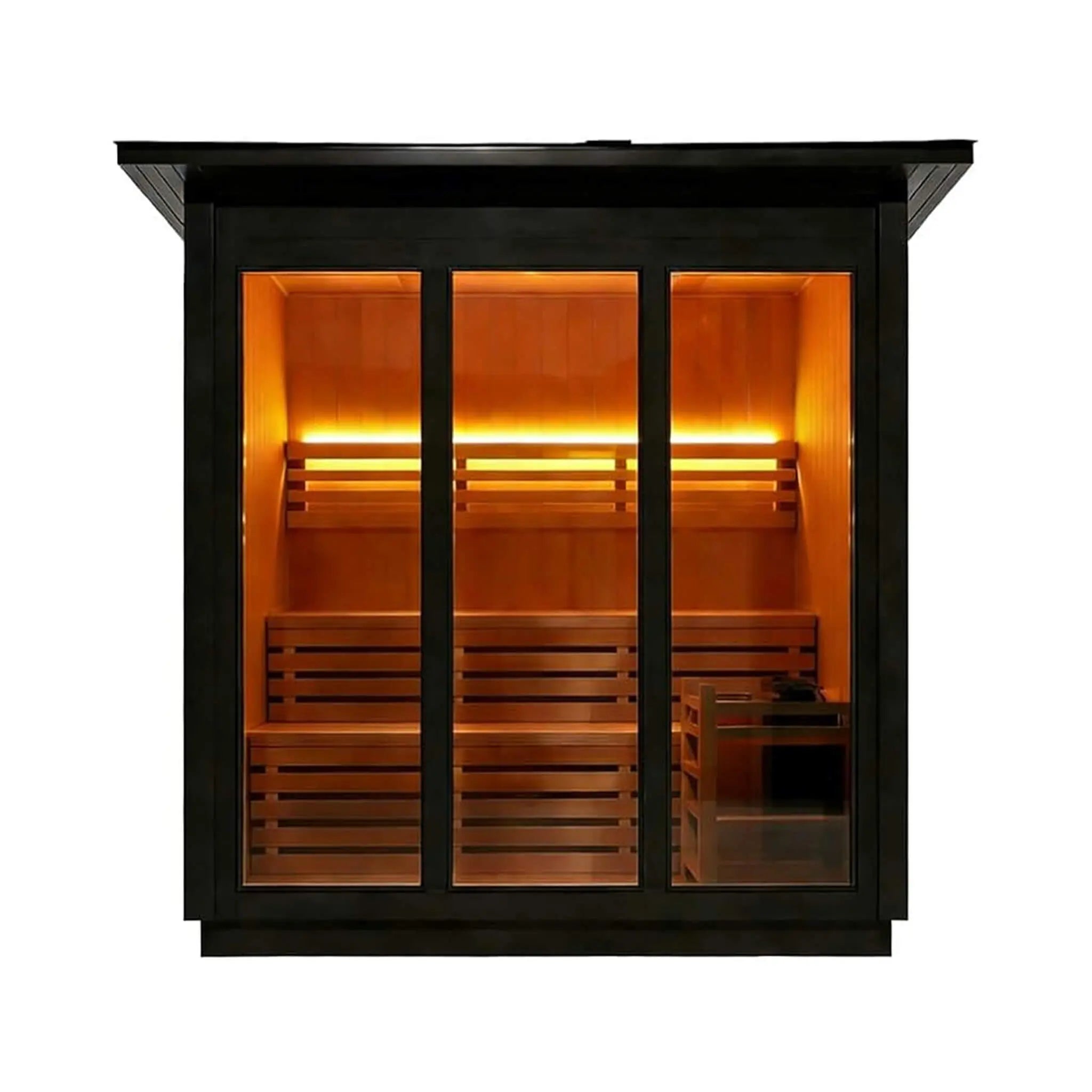
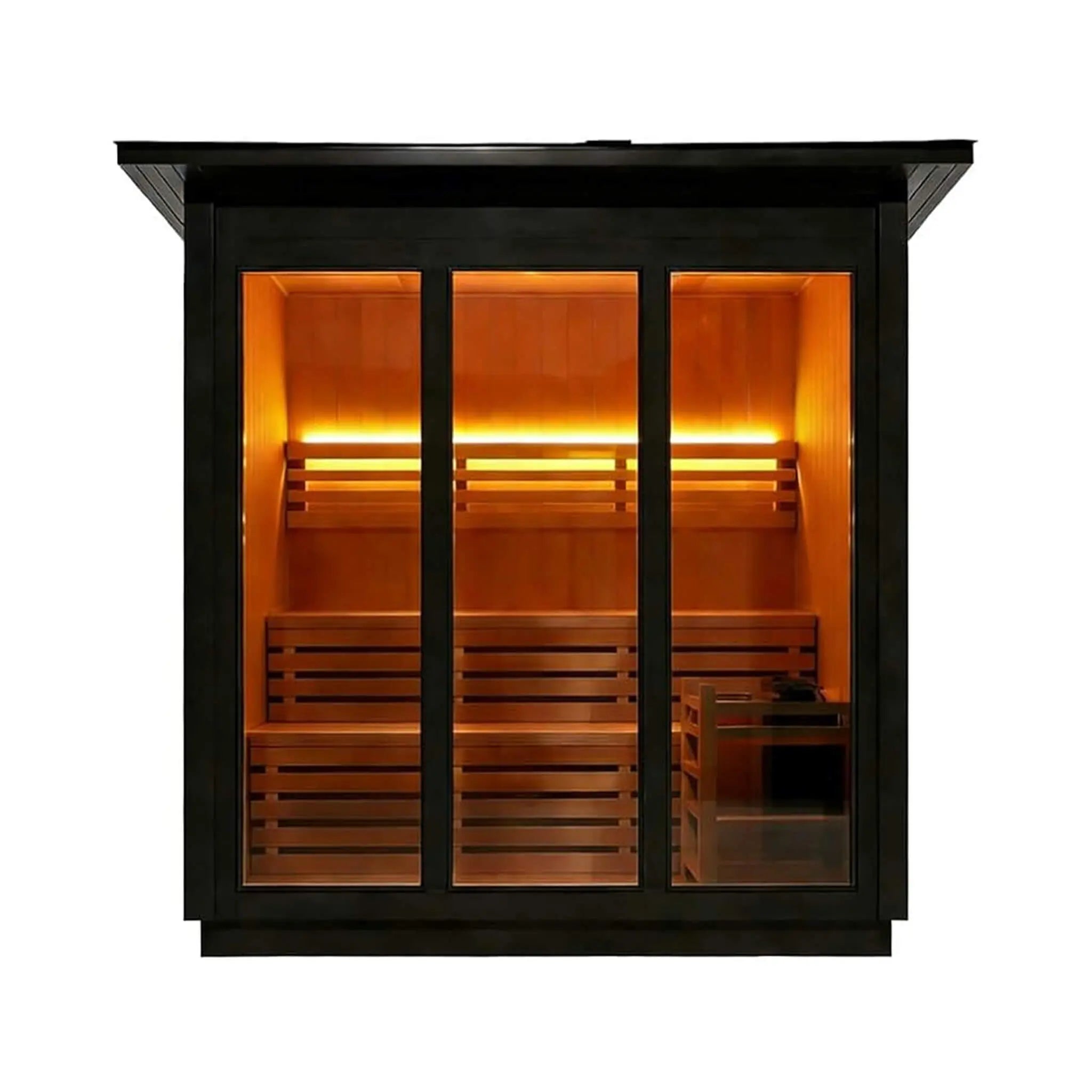
If you want the option to choose, our 4-person outdoor traditional sauna is offered with either an electric heater or a wood-burning stove, so you can match the heat to your routine rather than the other way around. The wood-burning configuration is the one to pick if the fire itself is part of why you want a sauna; the electric configuration is the one to pick if the sauna is a tool you want to use on a Tuesday night without planning.
Wood-Fired Sauna Safety and Maintenance Essentials
Wood-fired sauna safety and maintenance is simpler than it sounds, but it is not optional. A wood-burning stove is a real fire inside a wooden room, and respect for that fact is what keeps the ritual enjoyable. Most of what goes wrong is predictable, which means most of it is preventable.
Start with the fire itself. Use dry, seasoned firewood; green or damp wood smokes heavily, deposits more creosote in the flue, and struggles to hold heat. Build a small, hot fire rather than a large, smoldering one, and never leave the fire unattended during the build-up phase. Keep the stove zone clear: no towels, no clothing, no firewood stacked against the stove guard, and no flammable items on or near the stones.
The flue is the other half of that system. Soot and creosote build up over months of use, and a blocked flue is the most common cause of poor draft and smoky sessions. Have the chimney inspected and cleaned on a regular schedule, and inspect the stove and flue each season before first use. Watch out: never pour water directly onto a cast-iron stove body rather than the stones, because thermal shock can crack both.
Ash handling deserves its own routine. Let ash cool fully before removal, store it in a metal container with a lid, and keep that container away from the structure. Let the ash cool fully before removing it, and store it in a metal container with a lid kept away from the structure.
Session safety is the other half of responsible use. Heat raises core temperature and heart rate, and it pulls fluid out of you through sweat, so drink water before and after a session and keep sessions to a sensible length with a cool-down between. Get out if you feel dizzy, nauseated, or lightheaded.
Seasonal upkeep rounds out ownership. Check door seals and hinges, tighten stove connections, clear debris from the roof and around the chimney cap, and confirm the fresh-air intake is unobstructed before the first cold-weather session. None of this is difficult, but it is the difference between a sauna that feels like a ritual and one that feels like a chore.
How to Choose the Best Wood Burning Sauna for Your Space
The best wood burning sauna is the one sized to your household and sited where the fire can be fed without a trek through the house. Start with capacity, then placement, then heater.
For couples and smaller yards, a four-person footprint keeps the fire small and the heat concentrated. For families and regular hosting, an eight-person room lets the sauna become a social ritual rather than a solo one. Spruce gives you an earthy scent and holds heat well; Canadian red cedar brings a naturally aromatic fragrance and weather resistance.
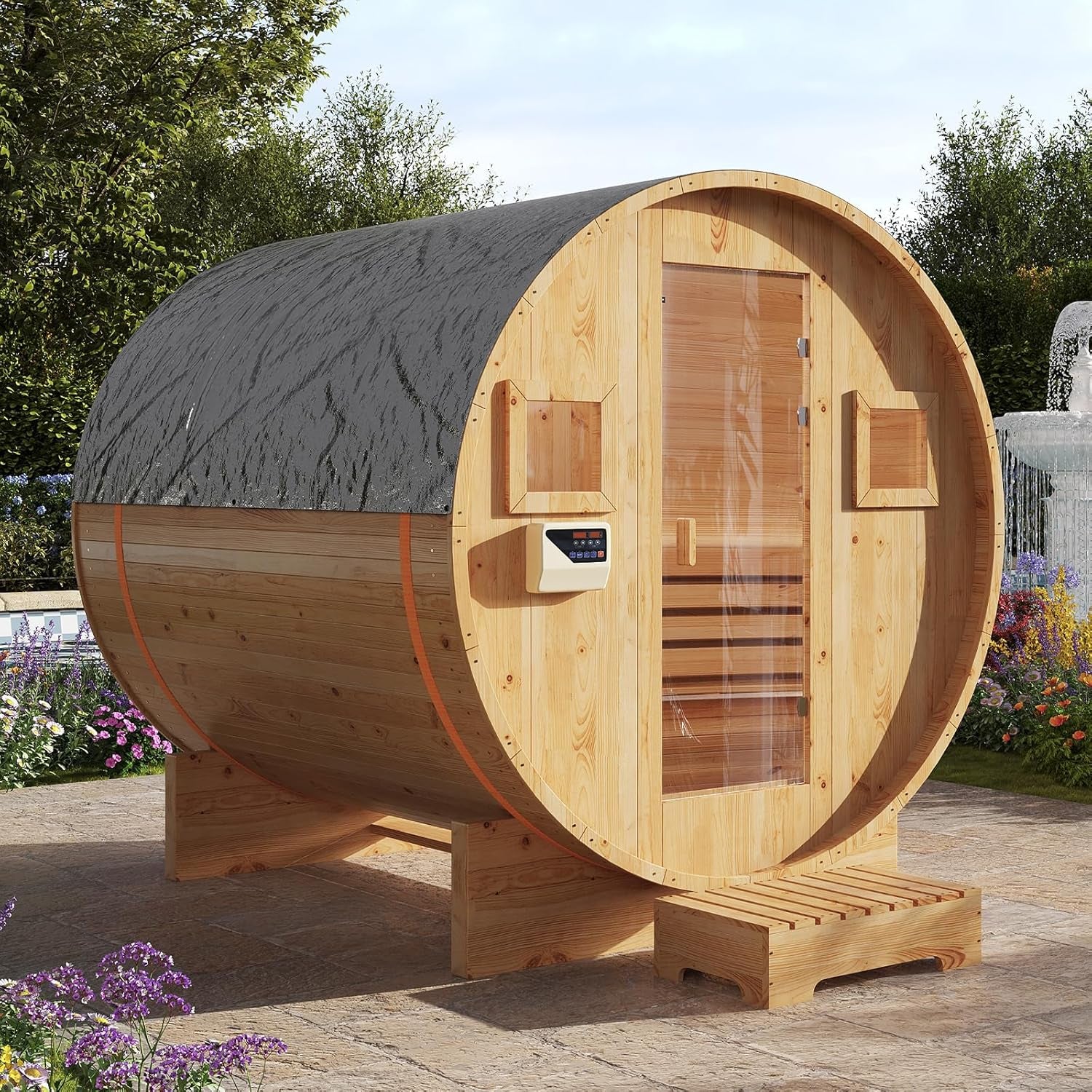
Our traditional barrel sauna suits buyers who want the classic rounded silhouette, while the 8-person spruce model gives larger households room to share the heat with a wood-burning stove fitted.
The Costs and Trade-Offs of Owning a Wood-Fired Sauna
Owning a wood-fired sauna trades convenience for atmosphere, and that trade is worth naming plainly. Firewood becomes a recurring line item, and it is one you feel every season.
The trade-offs:
- You cannot start a session on a whim; the fire needs lead time.
- Ash cleanup and flue maintenance become part of ownership.
- Wood storage needs a dry, covered spot.
- Siting matters: smoke, spark distance, and neighbor sightlines all factor in.
The payoff is a sauna that feels like an event. If that rhythm appeals to you, the cost is easy to justify. If you want to step in after work without planning, electric is the honest recommendation.
Designing Your Backyard Sauna Ritual With Prime Recovery Den
A sauna ritual is a sequence, not a room. A typical session follows a sequence of fire lit, a first sit, a cool-down, and a second sit, then water and rest. The anticipation is not wasted time. It is the transition out of the day.
Our outdoor saunas are built to support exactly that rhythm. The cedar models include tempered glass panels for views of the yard, and wood-burning stove options are available alongside electric heaters. The feeling we design for is specific: the quiet satisfaction of a fire you built yourself, the weight of the heat settling into your shoulders, and the sense that your backyard has become a place you actually want to be.
If you are starting from scratch, our guide to planning a backyard sauna construction project walks through the practical groundwork before you buy.
The challenge with a wood-fired sauna is not buying one, it is designing the routine around it. Prime Recovery Den builds outdoor saunas with spruce or Canadian red cedar construction, weatherproof roofing, tempered glass panels, and your choice of electric heater or wood-burning stove, made to order with a stated 4-5 week lead time. Get started with Prime Recovery Den and turn a corner of your yard into the sanctuary you keep returning to.
Frequently Asked Questions
Are wood-burning saunas healthy?
Sauna bathing is a relaxing way to unwind, and wood-burning saunas deliver heat with radiant warmth and steam from water on hot stones. The key is responsible use: keep sessions to roughly 15 to 20 minutes, hydrate before and after, and step out if you feel dizzy. Anyone with heart conditions, low blood pressure, or who is pregnant should check with a doctor first. The heat is enjoyable, and it is not offered as a treatment for any condition.
How long should you stay in a wood-burning sauna?
Start with shorter rounds, and build up as you become comfortable, followed by a cool-down and a rest before a second round. Listen to your body: leave sooner if you feel lightheaded or overheated.
What are the benefits of a wood-burning sauna compared with an electric sauna?
Wood-burning saunas produce radiant heat from a stove and hot stones. You get authentic löyly, the steam that rises when you pour water on the stones, plus the sensory ritual of tending a fire.
Do wood-burning saunas require a chimney?
Yes. A wood-burning stove needs a chimney or flue to vent smoke and gases safely outside, and the installation should follow applicable building requirements and the stove manufacturer's clearances. This is why wood-fired saunas are almost always outdoor or detached structures rather than tucked into a spare room. Before buying, confirm your planned location allows a flue, check permit requirements with your local authority, and consider having the stove and chimney installed by a qualified professional.



Leave a comment
This site is protected by hCaptcha and the hCaptcha Privacy Policy and Terms of Service apply.