

How to Maintain Your Home Sauna for Longevity
Table of Contents
- Building a Weekly Cleaning Routine for Your Home Sauna
- Sauna Wood Care and Maintenance: Protecting Cedar, Hemlock, and Aspen
- How to Clean Sauna Rocks Without Damaging Them
- Sauna Heater Maintenance Tips for Extending Component Life
- Managing Moisture, Ventilation, and Mold Prevention
- Seasonal Maintenance Schedules and Eco-Friendly Cleaning Alternatives
- Upgrading Your Sauna Experience with Himalayan Salt Features
- Frequently Asked Questions
Last Updated: September 16, 2026
Building a Weekly Cleaning Routine for Your Home Sauna
Learning how to maintain your home sauna for longevity starts with one habit: a short wipe-down after every session. Heat and sweat leave residue that hardens into a sticky film and traps moisture in the wood grain. Heat and sweat leave residue that hardens into a sticky film and traps moisture in the wood grain.
Sauna maintenance is the practice of cleaning, protecting, and inspecting a sauna's wood, heater, stones, and ventilation on a fixed schedule to extend the life of every component. It differs from bathroom cleaning because sauna materials are porous, heat-cycled, and sensitive to water and chemical residue.
The routine itself is simple:
- Vent the room and let surfaces cool completely
- Vacuum or sweep loose debris from benches and floors
- Wipe surfaces with a damp cloth and mild soap
- Dry everything thoroughly before closing the door
- Inspect the heater, stones, and vents for wear
Daily Habits That Prevent Long-Term Damage
Towel-dry the benches while they're still warm, and leave the door cracked for an hour after each session. Moisture sitting on wood darkens the grain and feeds mildew. Hang towels outside the hot room, empty the bucket, and dry the ladle, two-minute habits that prevent deep-set stains requiring sanding later.
The Right Tools and Products for Sauna Surfaces
A soft-bristle brush, a microfiber cloth, and mild soap cover nearly every cleaning task. Skip ammonia, bleach, or heavy fragrance, heat drives those residues into the wood and your lungs. Rinse and air-dry the bucket and ladle; for floors, vacuum then damp-mop without soaking the decking.
Sauna Wood Care and Maintenance: Protecting Cedar, Hemlock, and Aspen

Sauna wood care and maintenance comes down to moisture control and occasional surface treatment, not frequent washing. Sealant is rarely needed inside a hot room and many manufacturers advise against it because it traps heat and can off-gas. Wood needs dry air, gentle cleaning, and light sanding every few years.
The biggest mistake owners make is treating all sauna woods the same. Cedar, hemlock, aspen, and heat-treated lumber each have distinct porosity, density, and oil content, differences that dictate how often you sand, how aggressively you clean, and how fast you dry the room.
Sanding and Re-Sealing: When and How Often
Sand only when the surface feels rough or shows dark staining cleaning won't lift. Use 120-grit for a light refresh, stepping to 220-grit for a smoother finish, always following the grain. Vacuum dust completely with a HEPA filter. Most home saunas need this every three to five years, not annually. If you apply a treatment, choose one labeled for sauna interiors and apply it thin; a heavy coat sweats and discolors under heat cycling.
A simple test: run your palm along the bench after a session. Fuzzy or catching on skin means it's time to sand. Slick or tacky means you've over-treated, strip back with a gentle cleaner before re-sanding.
Material-Specific Needs: Cedar vs. Hemlock vs. Aspen
Cedar resists moisture and insects naturally thanks to its oils, so it needs the least intervention. Its main enemy is oil loss over time, as surface oils migrate, the wood lightens and becomes more absorbent. A light sanding every four to five years restores it. Avoid oil-based cleaners, which strip natural oils faster.
Hemlock is softer and more absorbent, so it benefits from faster drying and careful towel-downs. It darkens quickly when moisture sits on it, and once the grain darkens, sanding is the only fix. Extend post-session drying time, consider a small dehumidifier during humid months, and avoid metal buckets or ladles that can dent the benches.
Aspen stays cool to the touch and holds a bright tone, but dents easily and has low rot resistance.
Prosaunas Himalayan Salt Sauna Light →
| Material | Moisture Resistance | Care Priority | Watch For |
|---|---|---|---|
| Cedar | High | Minimal intervention | Surface oil loss over time |
| Hemlock | Moderate | Fast drying after use | Darkening, soft spots |
| Aspen | Moderate | Gentle cleaning only | Dents and scratches |
| Heat-treated wood | High | Standard routine | Checking for hairline cracks |
Seasonal Wood Care: What Changes in Winter vs. Summer
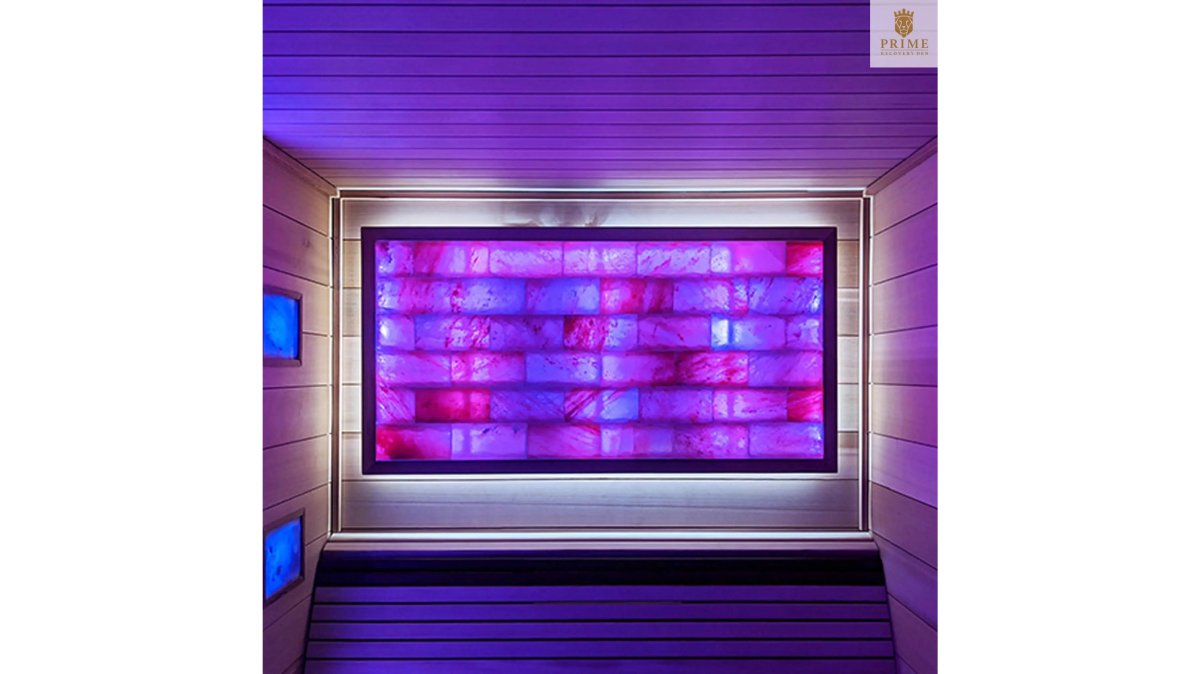
If you want to upgrade your wood surfaces without replacing them, the Prosaunas Himalayan Salt Sauna Wall Kit installs authentic pink or white salt bricks with LED backlighting, turning a plain cedar wall into a focal point that feels like a retreat. The warm glow and natural texture make the room feel less like a utility space and more like a destination, and that emotional shift keeps owners consistent with the wood care routine above.
How to Clean Sauna Rocks Without Damaging Them
Cleaning sauna rocks takes patience, not scrubbing.
Sauna Heater Maintenance Tips for Extending Component Life
Managing Moisture, Ventilation, and Mold Prevention
Mold prevention depends on airflow, not stronger cleaners.
Seasonal Ventilation Adjustments
Ventilation needs change with the seasons.
Eco-Friendly Cleaning Alternatives That Actually Work
- White vinegar spray: Equal parts white vinegar and water in a spray bottle handles most surface cleaning and kills surface mold spores. Wipe with a microfiber cloth and dry immediately.
- Baking soda paste: For stubborn spots or dark stains, mix baking soda with a little water, apply gently with a soft cloth, let sit for two minutes, then rinse and dry completely.
- Hydrogen peroxide (3%): For early mildew on wood or grout, a light mist of 3% hydrogen peroxide followed by a dry wipe is effective and breaks down into water and oxygen. Test on a hidden area first, as it can lighten some woods.
- Essential oil finishing mist: A few drops of tea tree or eucalyptus oil in a cup of water makes a pleasant finishing mist with mild antimicrobial properties. Keep it light and never apply oils directly to bare wood, since they can stain.
Catching Mold Early: What to Inspect and When
Once your moisture and ventilation routine is solid, many owners turn to the experience itself. The Prosaunas Himalayan Salt Sauna Light Kit brings chromotherapy and RGB options into the room, so you can shift the light from energizing brightness to a low, calming amber for evening sessions. Salt surfaces need only a dry wipe rather than water, making them naturally compatible with the low-moisture habits above. For a more architectural change, start with the Himalayan Salt Sauna 8'x4' surface package, which includes 70 handmade Grade AAA salt bricks, or the 144-brick configuration for larger wall and bench coverage. A salt-lit sauna reads as a retreat rather than a hot box, and that emotional shift can encourage consistent use of the ten-minute routine.


Seasonal Maintenance Schedules and Eco-Friendly Cleaning Alternatives
Seasonal maintenance is where longevity is actually won.
Non-Toxic Cleaning Solutions You Can Make at Home
Upgrading Your Sauna Experience with Himalayan Salt Features
Maintaining a home sauna is a habit, not a chore list, and the payoff is a room that stays warm, clean, and inviting for years.
Frequently Asked Questions
What is the 200 rule for saunas?
The 200 rule refers to a common guideline that sauna sessions should not exceed 200 degrees Fahrenheit. For home sauna maintenance, it also reminds owners to check that their heater thermostat stays calibrated and never exceeds the manufacturer's maximum temperature. Running your sauna above the recommended limit stresses the heater element, dries out wood faster, and shortens the lifespan of sauna stones. Check your heater manual for the exact ceiling, and use a separate thermometer to verify the reading every few months.
How often should you deep clean a home sauna?
Deep clean your home sauna every four to six weeks if you use it three or more times per week. This includes vacuuming debris from benches and floorboards, wiping all surfaces with a mild soap solution, scrubbing sauna rocks, and checking ventilation ports for dust. Between deep cleans, a quick wipe-down after each session keeps sweat and oils from soaking into the wood grain. Seasonal maintenance, such as sanding and re-sealing, should happen once or twice a year depending on how heavily you use the sauna.
What cleaning products are safe for sauna wood?
Use mild soap diluted in warm water for routine cleaning. Avoid harsh chemicals, bleach, ammonia, and abrasive cleaners because they strip natural oils from cedar, hemlock, or aspen and leave behind fumes that release when the sauna heats up. For deeper cleaning, a solution of white vinegar and water works well on wood grain without toxic residue. After any cleaning, rinse with a damp cloth and let the sauna air out completely with the door open before the next session.
Are home saunas difficult to maintain?
Home sauna maintenance is straightforward once you build a routine. A five-minute wipe-down after each use, a monthly deep clean, and seasonal wood treatment cover most of what is needed. The tasks that surprise new owners are cleaning sauna rocks and checking heater elements, but both take under thirty minutes. Investing in quality accessories like a Himalayan salt wall kit from Prime Recovery Den adds a low-maintenance luxury feature that elevates the space without adding significant upkeep. With consistent care, a well-built sauna can last fifteen to twenty years or more.



Leave a comment
This site is protected by hCaptcha and the hCaptcha Privacy Policy and Terms of Service apply.