

Why Use a Home Sauna for Detoxification: What to Know
Table of Contents
- How a Home Sauna Supports Your Body's Detox Pathways
- Sauna Session Duration for Detox: How Long Is Enough
-
Infrared Sauna Health Benefits Beyond Sweating
- Circulation, Core Body Temperature, and Cardiovascular Health
- Heavy Metal Excretion, Environmental Pollutants, and Bioaccumulation
- Post-Sauna Replenishment: Electrolytes, Hydration, and Cooling Down
- Who Should Skip the Sauna: Contraindications and Safety Precautions
- Why Our Products Improve Your Life
- Best Practices for Sauna Detoxification at Home
- Post-Sauna Replenishment: Electrolytes, Hydration, and Cooling Down
- Who Should Skip the Sauna: Contraindications and Safety Precautions
- Maintaining Your Home Sauna: Hygiene, Wood Care, and Long-Term Performance
- Conclusion
- Frequently Asked Questions
Last Updated: September 14, 2026
How a Home Sauna Supports Your Body's Detox Pathways
A home sauna is a heated enclosure, typically infrared or traditional steam, used in a private residence to raise core body temperature and induce sweating for relaxation and recovery. Understanding why use a home sauna for detoxification starts with knowing what your body actually does with the heat. At Prime Recovery Den, we see buyers asking sharper questions than they did five years ago. They want to know what leaves the body, what doesn't, and whether the ritual is worth a permanent spot in their week. It is, but not for the reason most marketing suggests. Below, we break down the real physiology, the session timing that works, and the safety rules that matter.
Sweat, Sebum, and the Limits of What Leaves Your Body
Sweat is roughly 99% water, with the remaining fraction made up of sodium, chloride, potassium, magnesium, and trace amounts of metabolic waste such as urea and lactic acid. Your skin pores and sweat glands do release trace amounts of heavy metals and environmental pollutants, including cadmium, lead, and bisphenol A, but the volume is modest compared to what your liver and kidneys process. The honest framing: perspiration supports elimination, it does not replace it. Sebum production also shifts with heat exposure, which is one reason skin often looks clearer after consistent sauna use. Think of the sauna as a supporting actor, not the lead.
Liver Filtration, Kidney Function, and Lymphatic Drainage
Your liver filtration system converts fat-soluble toxins into water-soluble compounds your kidneys can excrete. Kidney function then handles the final exit. Heat exposure encourages vasodilation and lymphatic drainage, which moves fluid and metabolic waste toward elimination routes. This is the mechanism worth understanding. A sauna session does not "flush" anything on its own; it creates conditions where your existing detox pathways work more efficiently. That distinction matters when you're deciding how often to use one.
The Science of Heat Therapy: What Actually Happens at the Cellular Level
When you sit in a sauna, your core body temperature rises by roughly 1 to 3 degrees Fahrenheit. That thermal stress triggers a cascade of physiological responses. Heat shock proteins, a family of proteins your cells produce in response to stress, increase in concentration, helping repair damaged proteins and supporting cellular resilience. Circulation to the skin increases dramatically as blood vessels dilate, which is why your skin flushes and your heart rate climbs. Heart rate during a sauna session can rise to 100-150 beats per minute, comparable to moderate cardiovascular exercise. This is thermal therapy in its purest form: controlled heat stress that prompts adaptation.
Myth-Busting: Can You Really Sweat Out Toxins?
The short answer is: partially, but not in the way most marketing implies. A 2012 review of sweat studies found that while sweat does contain trace heavy metals, the amounts are far below what the kidneys and liver clear daily. Sweating is not a primary detoxification route, it is a secondary one. The real value of sauna use for detoxification is that it supports the organs that do the heavy lifting. When you sweat, you lose water and electrolytes, which means your body must rebalance. That rebalancing act stimulates circulation, lymphatic flow, and kidney activity. The sauna doesn't detox you; it creates the conditions for your body to detox itself more efficiently.
Why This Matters for Your Home Sauna Choice
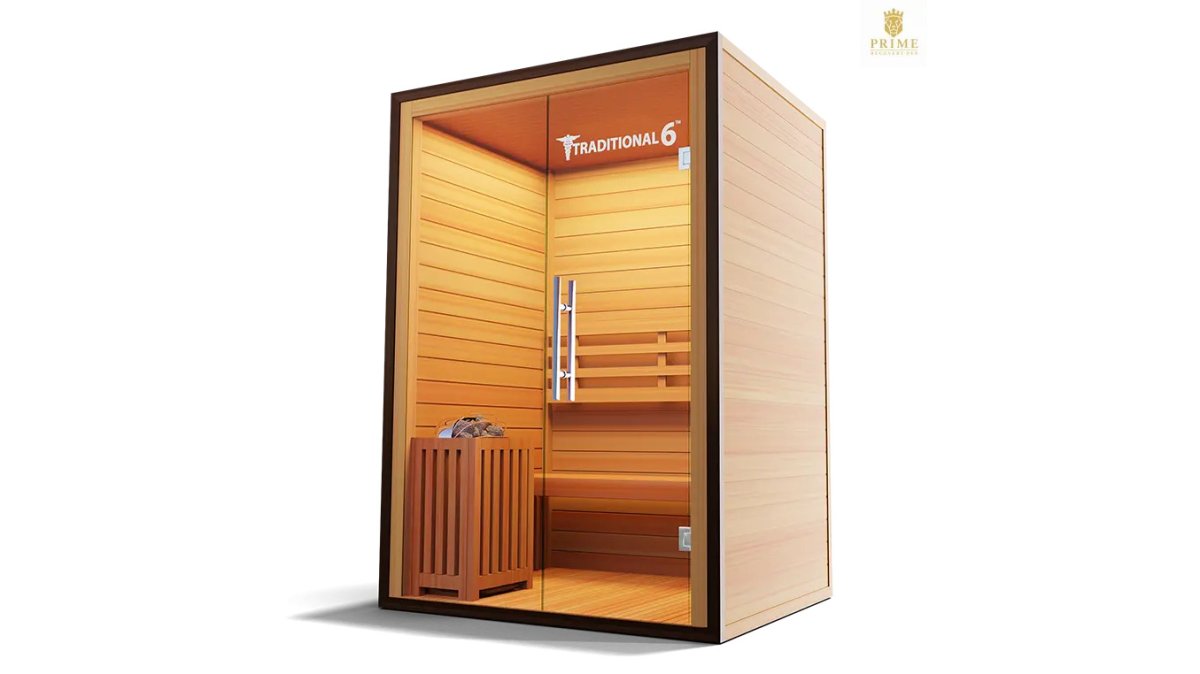
Understanding the physiology changes how you use your sauna. If you are buying a sauna expecting it to "pull toxins out" like a magnet, you will be disappointed. If you are buying it to support circulation, recovery, and a consistent relaxation ritual that indirectly supports your liver and kidneys, you will feel the difference. At Prime Recovery Den, we carry home saunas designed for exactly that: the Medical Saunas Traditional 6 two-person steam sauna with 3D heat therapy, the Maxxus S-Line three-person ultra low EMF infrared sauna, and the two-person full spectrum Maxxus S-Line in Pacific Cedar. Each is built to turn a corner of your home into a genuine restorative sanctuary. When you step out of your own sauna, cooled down, hydrated, and calm, the difference is not just physical. It feels like ownership of your own recovery.

Sauna Session Duration for Detox: How Long Is Enough
The sweet spot for most adults is 15 to 20 minutes per session at a comfortable, tolerable heat, repeated two to four times per week. Longer is not better. Past 20 minutes, dehydration risk climbs faster than any additional benefit, and electrolyte balance starts to shift.

A common mistake is treating the first session like a fitness test. Start at 10 minutes. If you feel lightheaded, dizzy, or nauseated, step out immediately; those are not signs of a good detox, they are signs of heat stress. Build duration gradually over two to three weeks. Traditional steam saunas tend to feel hotter at lower air temperatures than infrared cabins, so adjust your timing to the unit you own rather than following a generic number.
Infrared Sauna Health Benefits Beyond Sweating
Infrared sauna health benefits extend well past the detox conversation, which is exactly why the category keeps growing. Infrared radiation heats the body directly rather than the surrounding air, so sessions often feel more tolerable at the same therapeutic effect. Traditional steam saunas heat the air to 180-190°F, while infrared cabins typically operate between 120-140°F. That lower air temperature means you can stay in longer without the same cardiovascular strain, which is one reason infrared units have become the default choice for home owners who want a daily ritual rather than an occasional challenge.
Circulation, Core Body Temperature, and Cardiovascular Health
Raising core body temperature triggers vasodilation, the widening of blood vessels that improves circulation and supports cardiovascular health over time. The response resembles mild, passive cardiovascular exercise. People with chronic inflammation often report reduced joint stiffness after consistent use. This is thermal therapy in its simplest form: heat in, blood flow up, tissue recovery supported. For those with cardiovascular concerns, infrared saunas are often better tolerated because the lower ambient temperature reduces the risk of sudden blood pressure drops. That said, anyone with a heart condition should still get medical clearance before making sauna use a routine.
Heavy Metal Excretion, Environmental Pollutants, and Bioaccumulation
Heavy metal excretion through sweat is real but limited. Bioaccumulation of environmental pollutants and microplastics happens over years, and no single session reverses it. What sauna use does offer is a regular, low-effort routine that supports the systems responsible for clearing toxin load. Pair it with hydration, fiber, and sleep, and the cumulative effect is meaningful. Rely on it alone and you'll be disappointed.
Post-Sauna Replenishment: Electrolytes, Hydration, and Cooling Down
Replenishment is the step most people skip, and it's the one that determines how you feel the next day. You lose water and electrolytes through perspiration, so plain water alone isn't enough after a long session. A drink with sodium, potassium, and magnesium restores electrolyte balance faster. Add a light snack with protein within an hour if you trained earlier in the day. Cooling down means letting your core body temperature return to baseline naturally, not forcing it with ice. Sit in a cool room, breathe slowly, and let homeostasis re-establish itself. Skipping this step is why some people feel drained rather than restored.
Who Should Skip the Sauna: Contraindications and Safety Precautions
Sauna use is not appropriate for everyone, and this is where most wellness content stays vague. Skip the sauna if you are pregnant, have unstable angina, recent heart attack, severe aortic stenosis, or uncontrolled blood pressure. People taking diuretics, beta-blockers, or medications that impair sweating should consult a physician first. Avoid sessions while intoxicated or immediately after intense training in high heat. If you have a chronic condition affecting your heart, kidneys, or endocrine system, get clearance before making sauna use a routine. The American Heart Association guidance on heat and cardiovascular health is a reasonable starting point for that conversation with your doctor.
Why Our Products Improve Your Life
At Prime Recovery Den, we carry home saunas designed for exactly this: the Medical Saunas Traditional 6 two-person steam sauna with 3D heat therapy, the Maxxus S-Line three-person ultra low EMF infrared sauna, and the two-person full spectrum Maxxus S-Line in Pacific Cedar. Each is built to turn a corner of your home into a genuine restorative sanctuary, with free shipping on most orders within the Continental U.S. and thoughtful support before and after delivery. When you step out of your own sauna, cooled down, hydrated, and calm, the difference is not just physical. It feels like ownership of your own recovery. Get started with Prime Recovery Den and build the retreat your body has been asking for.

Best Practices for Sauna Detoxification at Home
Best practices for sauna detoxification come down to four habits: hydrate before, limit session length, cool down gradually, and never combine heat exposure with alcohol. Drink 16 to 20 ounces of water in the hour before you sit down. Skip the sauna if you're already dehydrated from training or illness. Towel off between rounds to let your skin breathe, and rest at least 10 minutes before showering. Consistency beats intensity every time.
Post-Sauna Replenishment: Electrolytes, Hydration, and Cooling Down
Replenishment is the step most people skip, and it's the one that determines how you feel the next day. You lose water and electrolytes through perspiration, so plain water alone isn't enough after a long session. A drink with sodium, potassium, and magnesium restores electrolyte balance faster. Add a light snack with protein within an hour if you trained earlier in the day. Cooling down means letting your core body temperature return to baseline naturally, not forcing it with ice. Sit in a cool room, breathe slowly, and let homeostasis re-establish itself. Skipping this step is why some people feel drained rather than restored.
Who Should Skip the Sauna: Contraindications and Safety Precautions
Sauna use is not appropriate for everyone, and this is where most wellness content stays vague. Skip the sauna if you are pregnant, have unstable angina, recent heart attack, severe aortic stenosis, or uncontrolled blood pressure. People taking diuretics, beta-blockers, or medications that impair sweating should consult a physician first. Avoid sessions while intoxicated or immediately after intense training in high heat. If you have a chronic condition affecting your heart, kidneys, or endocrine system, get clearance before making sauna use a routine. The American Heart Association guidance on [heat and(/blogs/news/how-to-optimize-recovery-with-heat-and-cold) cardiovascular health | heart.org] is a reasonable starting point for that conversation with your doctor.
Maintaining Your Home Sauna: Hygiene, Wood Care, and Long-Term Performance
Hygiene separates a sauna that lasts fifteen years from one that smells like a locker room in three. Wipe benches with a damp cloth after every session, and use a mild, sauna-safe cleaner weekly. Never seal cedar or hemlock with polyurethane; the wood needs to breathe. Ventilate the cabin for 20 to 30 minutes after use so moisture doesn't sit in the joints. Inspect heaters and wiring annually, and check door seals for gaps that waste heat. For infrared units, dust the emitter panels monthly; buildup reduces output and shortens panel life.
| Maintenance Task | Frequency | Why It Matters |
|---|---|---|
| Wipe benches with damp cloth | After every session | Prevents sweat residue and odor |
| Mild sauna-safe cleaner | Weekly | Removes oils without damaging wood |
| Ventilate the cabin | 20-30 min post-session | Stops moisture damage in joints |
| Dust infrared emitters | Monthly | Maintains heat output and panel life |
| Inspect heater and wiring | Annually | Safety and efficiency check |
| Check door seals | Annually | Prevents heat loss |
Conclusion
Building a sauna routine that actually delivers means treating it as one part of a broader recovery practice, not a standalone fix. Prime Recovery Den carries a curated selection of home saunas designed for exactly that: the Medical Saunas Traditional 6 two-person steam sauna with 3D heat therapy, the Maxxus S-Line three-person ultra low EMF infrared sauna, and the two-person full spectrum Maxxus S-Line in Pacific Cedar. Each is built to turn a corner of your home into a genuine restorative sanctuary, with free shipping on most orders within the Continental U.S. and thoughtful support before and after delivery. When you step out of your own sauna, cooled down, hydrated, and calm, the difference is not just physical. It feels like ownership of your own recovery. Get started with Prime Recovery Den and build the retreat your body has been asking for.

SHOP ALL
Frequently Asked Questions
Does a sauna actually help flush out toxins from the body?
A sauna raises your core body temperature and triggers perspiration, which carries out water, sodium, and small amounts of metabolic waste through your sweat glands. Your liver and kidneys do most of the heavy lifting when it comes to filtering toxins, so a sauna supports those detox pathways rather than replacing them. Think of it as one part of a broader wellness routine that includes hydration, sleep, and nutrition, not a standalone cleanse.
How long should you stay in a home sauna to maximize detoxification?
Most people do well with 15 to 20 minutes per session, repeated two to four times a week. Beginners should start closer to 10 minutes and build up gradually as their tolerance for therapeutic heat improves. Sauna session duration for detox matters less than consistency, so a shorter session you actually keep up with beats a long one you dread. Stop immediately if you feel dizzy, nauseous, or lightheaded.
What are the downsides of having a home sauna?
The main drawbacks are upfront cost, the space a unit takes up, and ongoing upkeep. Infrared models from Prime Recovery Den start at $3,295 and traditional steam saunas run higher, so it is a real investment. You will also need to wipe down benches, manage humidity, and keep the wood conditioned. Weigh those against the convenience of a private sauna session whenever you want one, without a gym commute or a shared locker room.
What should you do before and after a sauna session to support detox?
Drink 16 to 24 ounces of water in the hour before you step in, and skip alcohol or heavy meals right beforehand. After your session, cool down gradually, rehydrate with an electrolyte drink, and give your body 20 to 30 minutes to return to a normal core body temperature. A lukewarm shower helps remove sweat and sebum from your skin pores. These best practices for sauna detoxification make the session more comfortable and safer.



Leave a comment
This site is protected by hCaptcha and the hCaptcha Privacy Policy and Terms of Service apply.