

How to Know You're Ready for Longer Cold Plunges
Last Updated: November 23, 2026
Quick Summary
You are likely ready for longer cold plunges when your breathing settles within the first minute, your hands and thinking feel normal shortly after you exit, and you recover comfortably over repeated sessions at the same length. Check these signs across several sessions before adding time, and never extend your time when you feel warning symptoms.
- Your breathing should begin to settle within the first minute of each session.
- Hands should feel steady and thinking clear within a few minutes of exiting.
- Score the readiness checklist after each session; a total of 10 or higher across three sessions suggests you can add 30 to 60 seconds.
- Stop immediately if you feel confusion, chest pain, severe shivering, or uncontrollable breathing.
Table of Contents
- How Long Should a Beginner Stay in a Cold Plunge?
- Cold Plunge Temperature and Time: How They Work Together
- Signs You Are Ready for Longer Cold Plunges
- Readiness Checklist: Self-Assessment Before You Extend Your Time
- Separating Normal Discomfort From Warning Signs
- How Often Should You Cold Plunge as You Progress?
- Benefits of Cold Plunging and Realistic Expectations
- Set Up a Cold Plunge Routine You Can Track at Home
- Frequently Asked Questions
How Long Should a Beginner Stay in a Cold Plunge?
Most beginners should start with short sessions and build up slowly, and the right tub makes that easier. A tub that holds steady temperatures lets you focus on your body's response instead of equipment variables. A few minutes is a sensible first target, and you can add time only when your body clearly handles the current length well. Prime Recovery Den's cold plunge tubs are built to make that kind of steady, measured progress easier, so you can build a routine at your own pace.
Starting short matters because the first cold shock is the hardest part for most people. Your breathing speeds up, your heart rate jumps, and the water feels colder than expected. A short first session lets you learn how your body responds without pushing into discomfort.
- Start with 1 to 3 minutes for the first few sessions.
- Stay near the shoulders only if you can keep your breathing calm.
- Stop early if you feel dizzy, confused, or unable to control your breath.
Your first goal is to finish each session feeling steady and clear-headed. Once that becomes easy, you can think about longer sessions.
Cold Plunge Temperature and Time: How They Work Together
Water temperature and session length work together. Colder water pulls heat from your body faster, so the same number of minutes can feel very different at 45°F than at 55°F. Always treat colder water as a reason to stay shorter, not longer.
A colder tub also means your body needs more time to recover afterward. If you move from a mild setting to a much colder one, shorten your session and watch how you feel for the rest of the day.
- Warmer water (around 55°F to 60°F) usually allows slightly longer beginner sessions.
- Colder water (under 50°F) calls for shorter sessions and closer attention to your body.
- Change one variable at a time, either temperature or duration, so you can tell what your body handles.
Think of temperature and time as a pair. Adjust one, then give yourself several sessions to see how the change feels before adjusting the other.
Signs You Are Ready for Longer Cold Plunges
You are likely ready to extend your time when your sessions feel controlled rather than overwhelming. Look for steady breathing, calm focus, and good coordination once you climb out. These signs tell you the cold is becoming manageable rather than shocking.
Readiness shows up in how you handle the water, not just how long you last. A session where you feel only mild discomfort is very different from one where you feel panicked or numb.
Calm Breathing Within the First Minute
Within the first minute, your breathing should begin to settle. The initial gasp will still happen, but it should fade into slower, deeper breaths. If your breathing stays fast and shallow past the first minute, stay at your current length.
Try a simple check: count your breaths. If you can take slow breaths at a steady pace, you are building the control needed for longer exposure.
Steady Hands and Clear Thinking After Exiting
Once you step out, notice how your hands and thinking feel. Fine tasks like buttoning a shirt or opening a bottle should feel normal within a few minutes. You should also be able to follow a simple conversation without losing the thread.
If you feel clumsy, foggy, or slow to respond, you are not ready to extend your session. Shorten your next plunge and repeat your current length until these signs are consistent.
Readiness Checklist: Self-Assessment Before You Extend Your Time
Use this checklist after several sessions at your current length. Only extend your time when most answers are yes across multiple sessions, not just one good day. The goal is to turn vague feelings into a repeatable decision, so you are not guessing based on toughness or comparison.
Score each item from 0 to 2, where 0 means "not yet," 1 means "sometimes," and 2 means "consistently." Add up your score after each session and log it next to the water temperature and duration. A total of 10 or higher across three consecutive sessions at the same length is a practical green light to add 30 to 60 seconds. A score of 6 or lower is a signal to hold your current duration or shorten it slightly.
- My breathing settles within the first minute. (0-2)
- I can stay still and calm without gasping repeatedly. (0-2)
- My hands feel steady within a few minutes of exiting. (0-2)
- I can think clearly and speak normally after my session. (0-2)
- I feel warm and comfortable within about 15 to 30 minutes. (0-2)
- I have no numbness that lingers or worsens. (0-2)
- I want to continue, but I am not pushing through strong discomfort. (0-2)
If you answered no to any item, stay at your current duration. Progress comes from repeating a length until it feels controlled. Individual recovery varies, so take the time you need at each duration.
Watch out: Do not use a single high-energy day as proof you are ready. Readiness is a trend across sessions, not a personal best.
A simple paper log or notes app works fine. Record the date, water temperature, duration, your checklist score, and how you felt one hour later.
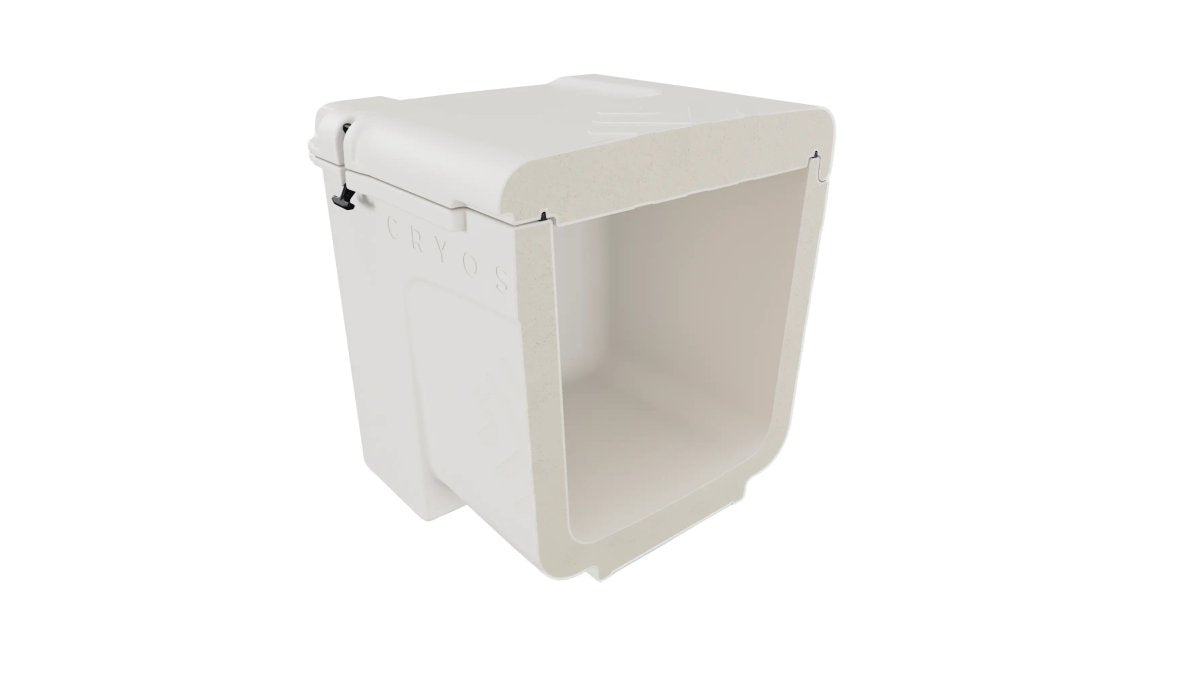
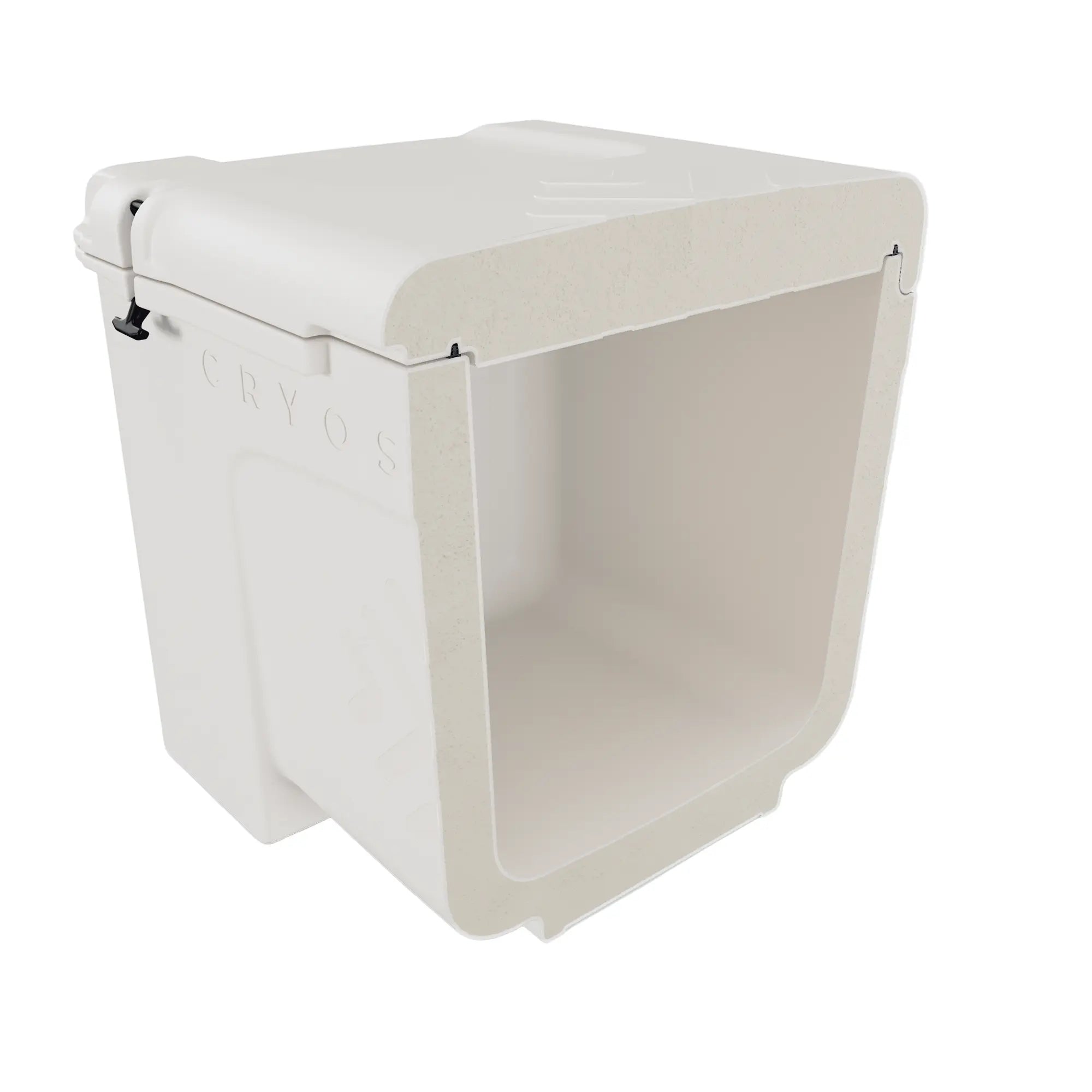
Prime Recovery Den's cold plunge tubs are insulated, which helps keep water temperature steady from session to session.
Separating Normal Discomfort From Warning Signs
Some discomfort is normal in cold water. You may feel stinging, aching, or strong urges to shiver. These sensations usually ease as your body adapts. Warning signs are different, and they mean you should exit right away.
Stop your session immediately if you notice any of the following:
- Confusion, slurred speech, or trouble with coordination
- Severe shivering that does not stop after you exit
- Numbness, skin that turns very pale, or any blue or gray color
- Shallow, rapid breathing that you cannot control
- Chest pain, unusual dizziness, or fainting
If warning signs appear, get out, dry off, and warm up gradually. If symptoms continue or you feel seriously unwell, seek medical help. People with heart conditions, high blood pressure, or other medical concerns should speak with a doctor before trying cold plunges.
How Often Should You Cold Plunge as You Progress?
Most people build a routine of a few sessions per week rather than daily plunges while they learn their limits. Frequency matters as much as length.
A practical starting pattern is two or three sessions per week, with at least one rest day between sessions. Add a session only after several sessions feel comfortable and your readiness checklist scores stay steady. Take a lighter week if you feel run down.
Recovery is the variable most people ignore. After each plunge, note how long it takes for your hands to feel normal, for shivering to stop, and for you to feel warm without extra layers.
- Begin with two or three sessions per week.
- Keep at least one rest day between sessions while you are progressing.
- Add a session only after several sessions feel comfortable and recovery is consistent.
- Take a lighter week if you feel run down or sleep poorly.
Watch out: Do not increase duration and frequency in the same week. Change one variable at a time so you can tell what your body is responding to.
Consistency matters more than intensity. A steady routine you can keep up will serve you better than pushing hard and burning out. Prime Recovery Den's tubs can support a home routine, so you can keep your sessions consistent.
Benefits of Cold Plunging and Realistic Expectations
Some people use cold plunging as part of a post-workout routine, and individual experiences vary.
Set realistic expectations. A cold plunge can be one part of a broader wellness routine. Focus on how you feel in your own body over time, and keep a simple log of your sessions to notice patterns.
Set Up a Cold Plunge Routine You Can Track at Home
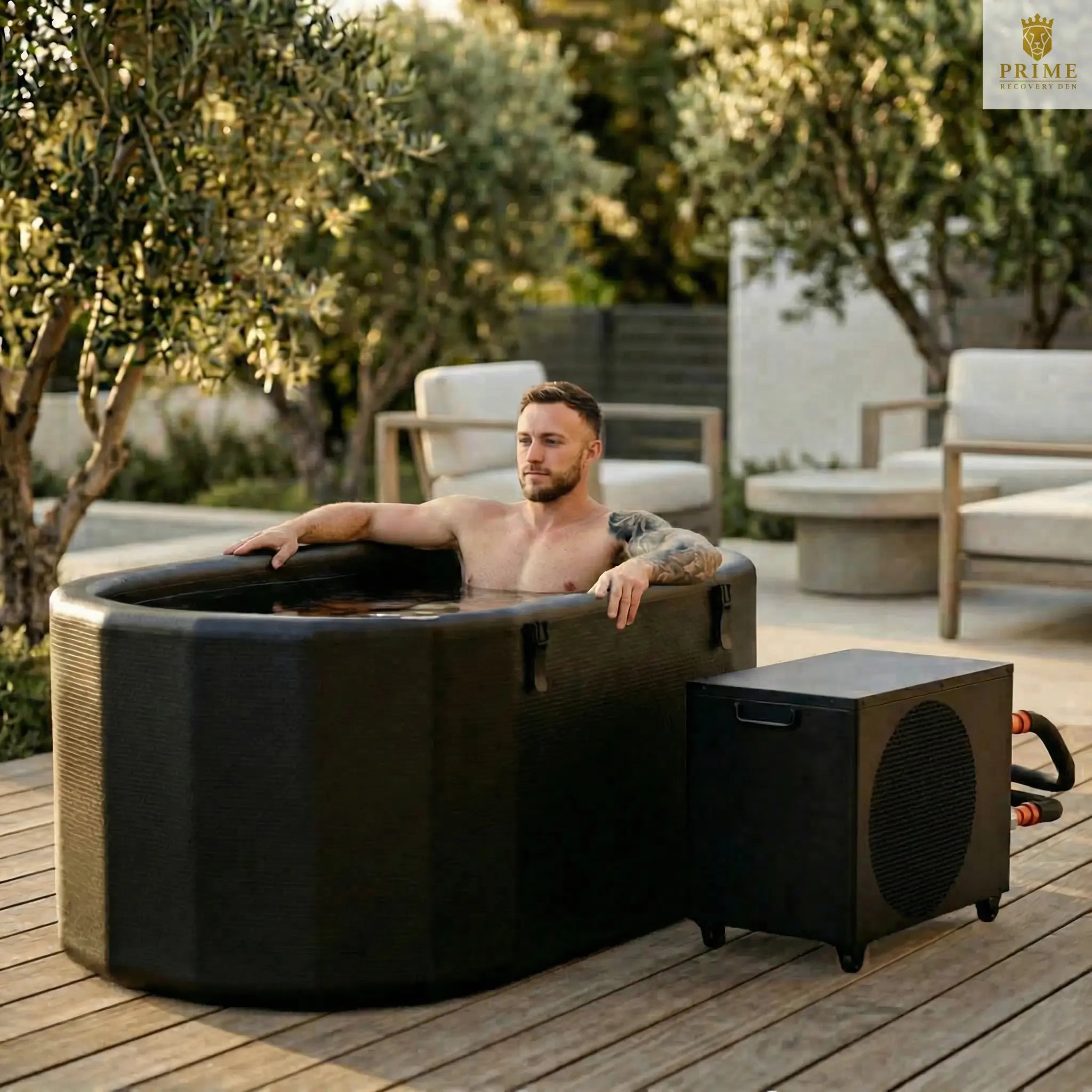
A home setup makes consistent sessions easier. Prime Recovery Den carries cold plunge options, including the Barton 150-Gallon Cold Plunge Tub, a DIY tub for an iceless setup with your own chiller and equipment, and the Nicebeam Cryo Pro XXL Inflatable Cold Plunge Tub, which holds 216 gallons and connects to an ice bath chiller. Choosing the right option for your space and routine makes it easier to stay consistent, and a steady temperature helps you change one variable at a time.
Track each session in a simple notebook or app. Record the water temperature, how long you stayed, how your breathing felt, and how you felt afterward. Review your notes weekly to decide whether to extend your time or hold steady.
- Note the water temperature before each session.
- Record your duration and how your breathing settled.
- Write down how you felt an hour after exiting.
With a clear routine and honest tracking, you can extend your time gradually and confidently. Choosing the right setup can help the cold plunge fit into your week, giving you a calm space to recover and reset.
Best for: Adults who want a steady, measured home routine.
Skip if: You have heart or blood pressure concerns and have not yet spoken with a doctor.
Frequently Asked Questions
How long is too long for a cold plunge?
There is no single safe limit that fits everyone. Most beginners should keep sessions short, often a few minutes, and get out as soon as they notice intense shivering, numbness, slurred speech, clumsy movement, or confusion. Water temperature changes the risk a great deal, so a session that feels fine in a cooler tub may be too long in a colder one. If you are unsure, shorten your next session rather than extending it. Anyone with heart conditions, blood pressure problems, or other medical concerns should check with a doctor before starting or extending cold plunges.
How do I safely increase my cold plunge duration?
Add time in small steps, usually 30 seconds to one minute at a time, and only after several sessions where you felt calm, steady, and recovered within a few minutes of exiting. Keep the water temperature the same while you build duration so you can judge your response clearly. Record your time, temperature, breathing, and how you felt afterward. If a session leaves you shivering for a long time or feeling unusually tired, hold your current duration for a while before trying to extend it again.
What are the physical signs that I have adapted to cold water?
Signs of adaptation tend to be practical rather than dramatic. You may find your breathing settles within the first minute instead of staying rapid, your hands remain usable when you get out, and your shivering stops within a few minutes of drying off and getting warm. Many people also notice they can stay calm and focused during the plunge. These signs suggest your body is handling the cold well, but they do not mean you should stay longer if any warning sign appears.
How often should you cold plunge?
Many people who cold plunge regularly do so a few times per week, with rest days in between so their body can recover. Beginners should start with fewer sessions and see how they feel the next day before adding more. Consistency matters more than intensity. If you notice poor sleep, persistent fatigue, or soreness that does not improve, reduce frequency or duration. Your recovery between sessions is one of the most useful readiness indicators you have.


Leave a comment
This site is protected by hCaptcha and the hCaptcha Privacy Policy and Terms of Service apply.