


Cold Plunge Recovery Routine for Athletes: 2026 Guide
Table of Contents
- Why Cold Plunge Recovery Belongs in an Athlete's Week
- Cold Plunge After Workout: Timing It Right
- Cold Plunge Temperature and Duration: Setting Your Numbers
- How to Prepare for an Ice Bath Before You Step In
- A Repeatable Weekly Routine You Can Follow
- Cold Plunge Safety Tips and When to Skip It
- Choosing a Cold Plunge That Fits Your Training Space
- Frequently Asked Questions
Last Updated: October 17, 2026
Why Cold Plunge Recovery Belongs in an Athlete's Week
Cold plunge recovery is the practice of immersing your body in chilled water after training to help manage soreness and support the way you feel between sessions.

Most athletes already understand training and nutrition. Recovery is the piece that gets squeezed. A cold plunge recovery routine fills that gap because it is short, structured, and easy to repeat.
Here is what a cold plunge actually does for you:
- It gives your body a clear signal that a training session is over.
- It creates a calm, quiet moment you can build a habit around.
- It helps you feel fresher going into the next workout.
The key word is routine. One plunge does little.
Cold Plunge After Workout: Timing It Right
The best time for a cold plunge after workout is usually within a few hours of finishing, once your heart rate has settled and you have cooled down.
Timing matters more than people expect. Step in too soon after a hard session and the shock hits harder than it needs to. Wait too long and you lose the mental link between training and recovery.
Here is how we would sequence it:
- Finish your session and cool down properly.
- Refuel with water and a light snack.
- Wait until your breathing is calm and your skin feels normal.
- Plunge, then dry off and warm up gradually.
Strength Days vs. Endurance Days
Strength days and endurance days call for slightly different approaches. After heavy lifting, many athletes prefer a shorter, milder plunge, mostly to reduce soreness and swelling.
The reason comes down to what each session stresses. Lifting creates localized muscle damage and post-exercise swelling. Endurance work leaves you systemically tired and warm.
Listen to your body here. If you feel drained after a long run, a gentle plunge helps.
Cold Plunge Temperature and Duration: Setting Your Numbers
Cold plunge temperature and duration are the two dials you control, and getting them right is what separates a useful habit from a punishing one.
The goal is not to suffer. The goal is a controlled, repeatable dose of cold exposure that you can do several times a week without dread.
Use this simple decision tool:
| Your Situation | Water Temperature | Immersion Duration | Frequency |
|---|---|---|---|
| New to cold plunging | 55-59°F | 1-2 minutes | 2-3 times per week |
| Comfortable and consistent | 50-55°F | 2-3 minutes | 3-4 times per week |
| Experienced, post-competition | 45-50°F | 3-5 minutes | As needed |
| Feeling run down or stressed | 59°F or warmer | 1-2 minutes | Skip or shorten |
Start at the top of the table and earn your way down. Colder is not automatically better, and longer is not automatically more effective.
How to Prepare for an Ice Bath Before You Step In
Knowing how to prepare for an ice bath makes the first thirty seconds far easier. Preparation is mostly mental and logistical, and it takes about five minutes. Get these right and the plunge itself becomes routine.
A simple pre-plunge checklist:
- Set your water temperature and confirm the chiller is running
- Have a towel, warm robe, and dry clothes within reach
- Use the restroom first
The breath work is the part most people skip. Slow, steady breathing tells your nervous system this is safe. That single habit turns a shock into a ritual.
A Repeatable Weekly Routine You Can Follow
A repeatable weekly routine is where cold-water immersion earns its place. The structure below keeps recovery consistent without turning your week into a schedule of ice baths.
Most athletes do best with a simple rule: plunge after the sessions that leave you sorest or most systemically drained, keep the dose modest, and protect at least one or two full recovery days each week.
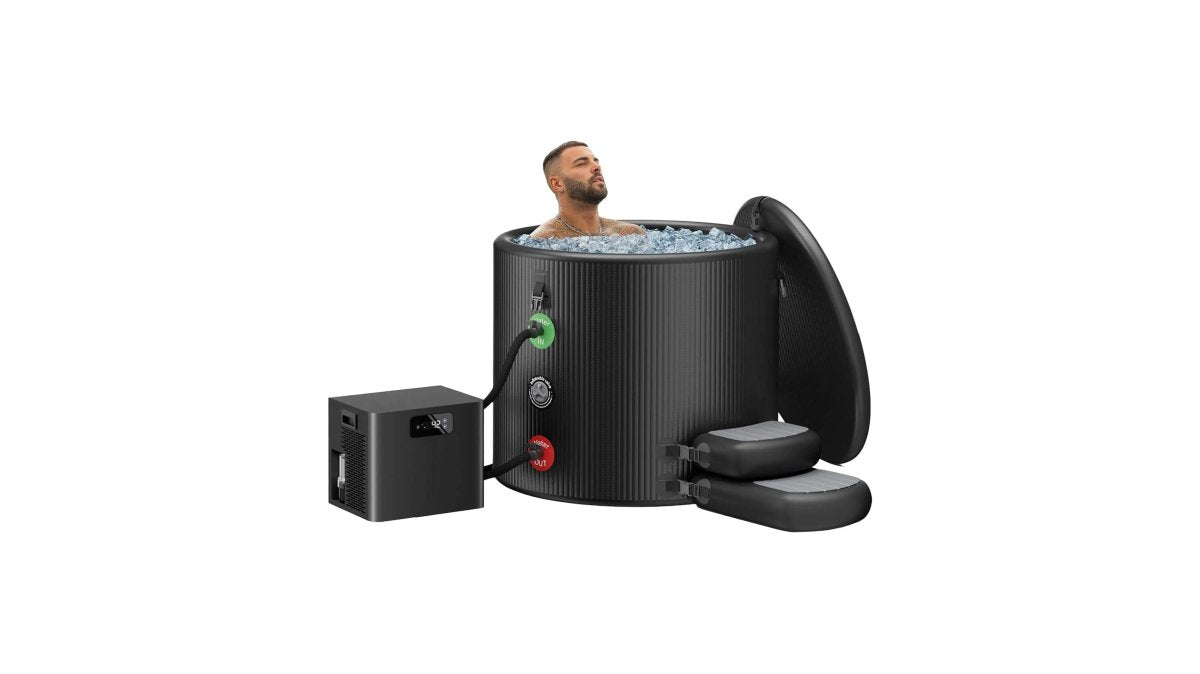
Dreampod Cold Plunge Tub With Chiller – Fiberglass, Insulated, 3/4 HP →
The Four-Step Session Protocol
Use this sequence every time so the habit becomes automatic and safe:
- Cool down and refuel first. Finish your session, walk for a few minutes, and drink water. Wait until your breathing is calm and your skin feels normal, often 30 to 90 minutes after training.
- Set your dose before you enter. Choose your temperature and duration from the table in the previous section. Set a timer so you are not guessing.
- Enter feet first and breathe. Sit down, keep your hands above water for the first 30 seconds, and take slow, steady breaths. Keep your shoulders under only as long as is comfortable.
- Exit and warm up gradually. Dry off, put on warm clothes, and let your body rewarm on its own. A brisk walk or a warm shower afterward helps you feel settled rather than shocked.
How to Progress Week to Week
Start at the top of the temperature table and earn your way down. A common pattern is to stay at the same temperature and duration for two weeks before making one change, either slightly colder water or one extra minute, never both at once. If a session feels like a struggle you dread, you have progressed too fast. Back off and rebuild consistency.
Sample Week for a Strength Athlete
For a strength athlete, place plunges after your heaviest sessions and keep them short.
- Monday (heavy lower body): 2-3 minutes at 50-55°F in the evening
- Wednesday (upper body): 2 minutes at 55°F, focus on shoulders and back
- Friday (heavy full body): 3 minutes at 50°F
Sample Week for an Endurance Athlete
Endurance athletes often benefit from more frequent, slightly longer sessions.
- Tuesday (intervals): 3 minutes at 50-55°F
- Thursday (tempo): 2-3 minutes at 55°F
- Saturday (long session): 3-4 minutes at 50°F
Adjusting for Training Phase and Competition
Your routine should shift with your goals. During a strength-building block, when maximizing muscle adaptation matters, keep plunges shorter and less frequent so you do not blunt the training signal.
Cold Plunge Safety Tips and When to Skip It
Cold plunge safety tips matter because cold exposure is a real stress on the body. Keep sessions short, never plunge alone if you are new, and always have a way to warm up afterward. If you have a heart condition, high blood pressure, or any medical concern, talk to a doctor before you start.
Know the Warning Signs
Cold shock can hit fast. Get out immediately and warm up if you experience any of the following:
- Numbness or loss of feeling in your fingers or toes
- Uncontrollable shivering that does not stop after you dry off
- Dizziness, lightheadedness, or confusion
- Chest pain, shortness of breath, or a racing heart that does not settle
If symptoms persist after you warm up, seek medical advice. When in doubt, treat it as a reason to stop.
Who Should Be Extra Cautious
Cold immersion is not right for everyone. Be especially careful if you have a heart condition, high blood pressure, diabetes, Raynaud's phenomenon, or any condition that affects circulation or temperature regulation. Pregnant athletes and anyone recovering from illness or surgery should check with a doctor first. Cold sensitivity varies widely, so there is no shame in choosing warmer water or skipping the plunge entirely.
Supervision and Setup
Never plunge alone if you are new to cold immersion. Have someone nearby who knows your plan and can help if you feel unwell. Keep the area free of slip hazards, have a towel and warm clothes within reach, and never combine cold plunging with alcohol or sedatives. A phone within reach is a simple precaution that makes the habit safer.
Skip the plunge on these days:
- You feel ill, feverish, or run down
- You are severely sleep deprived
- You have an open wound or skin infection
- You feel dizzy or lightheaded before starting
Choosing a Cold Plunge That Fits Your Training Space
Choosing a cold plunge comes down to three things: space, temperature control, and how it looks in your home.
This is where Prime Recovery Den comes in. Our cold plunges are built to live in a real home, not a garage corner.
- The Dreampod Cold Plunge Tub With Chiller ($6,199.97) uses fiberglass construction and a double-hull insulated base to hold cold water, with a quiet 3/4 HP chiller and a control panel for session times, temperature, and filtration. It feels like a piece of furniture, not gym equipment.
- The CSC Smart Cold Plunge Tub ($6,699.97) is freestanding with no plumbing, fits users up to 6'9", and lets you set temperature from your phone. It brings a calm, spa-like presence to a recovery room.
- The FCP Premium XL 120-Gallon Cold Plunge Tub ($1,099.97) is the portable pick, with a 1/3 HP chiller, five-layer insulation, and a travel bag for training trips.
- The iCoolsport Compact XP Chiller & Heater ($10,449.00) adds dual-temperature control from 39°F to 104°F, ideal if you want contrast therapy alongside cold sessions.
Each one turns a recovery habit into something you look forward to. There is a quiet satisfaction in stepping into your own space, closing the door, and giving your body the reset it earned.


Frequently Asked Questions
Is it best to do a cold plunge after a workout?
For soreness relief and feeling ready for the next session, a cold plunge after workout is most useful once your heart rate has settled, usually 20 to 60 minutes after you finish. Right after a strength session, though, cold water may blunt some of the signaling behind muscle growth, so many athletes move the plunge to a rest day or a few hours later on lifting days. Endurance athletes often plunge sooner. Match the timing to your goal rather than treating one schedule as universal.
How cold should a cold plunge be for recovery, and how long should I stay in?
A workable cold plunge temperature and duration pairing is water in the 45 to 55°F range for 5 to 10 minutes, adjusted to what you can tolerate while breathing normally. Colder water calls for shorter sessions. Start at the warmer end of that range for 3 to 5 minutes, then extend duration before you lower temperature. If you are shivering hard or your breathing stays ragged, the session is too much for that day. A chiller with a control panel makes it easier to repeat the same setting each time.
How do you prepare for an ice bath safely?
To prepare for an ice bath, start with a light warm-up or a few minutes of movement so you are not entering cold while stiff. Drink water, use the restroom, and keep a towel and warm layer within reach. Enter slowly, keep your hands free of the sides, and control your breathing rather than gasping. Never plunge alone, and skip alcohol beforehand. If you have a heart condition, high blood pressure, or are pregnant, talk to a physician before your first session.
How often should athletes cold plunge, and when should they skip it?
Two to four sessions per week covers most athletes during heavy training blocks, with extra sessions during peak soreness and fewer during deload weeks. Apply cold plunge safety tips on every session: stop if you feel dizzy, numb, or unable to warm up afterward. Skip the plunge on days you want maximum muscle-building signal, and avoid it entirely if you have an open wound, are ill, or have been cleared away from cold exposure by a doctor. Track how you feel the next morning to tune frequency.
Your training already asks a lot of you. Recovery should not be another chore. Prime Recovery Den offers thoughtfully designed cold plunges with built-in chillers, insulated builds, and app or panel controls that make every session simple. Build a sanctuary that supports your goals, and feel the difference a consistent routine makes. Shop all cold plunges and start your recovery ritual today.

Leave a comment
This site is protected by hCaptcha and the hCaptcha Privacy Policy and Terms of Service apply.