

Why Prioritize Mental Wellness in Home Design
Table of Contents
- The Science Behind Mental Wellness Home Design
- Home Wellness Center Benefits That Change Everything
- Mental Health Interior Design Tips for Every Room
- Benefits of Cold Plunge Therapy at Home
- Budget-Friendly Ways to Start Your Wellness Journey
- Acoustic Comfort and Noise Pollution in Your Home
- Conclusion
- Frequently Asked Questions
Last Updated: September 27, 2026
The Science Behind Mental Wellness Home Design
Your home is not neutral territory. It works for your nervous system or against it, every day, which is why prioritize mental wellness in home design is not a luxury but a necessity.

That is the core argument behind why prioritize mental wellness in home design, and it is one Prime Recovery Den takes seriously in everything we build and sell. Environmental psychology has established that surroundings shape mood, attention, and stress response, and the home is where most people spend most of their hours.
How Your Environment Shapes Your Mind
The brain processes sensory input from a room continuously, even when you are not consciously noticing it. Light quality, sound levels, air movement, and visual complexity all feed the stress-regulation system. A cluttered, harshly lit room keeps it on alert; a calm, ordered, well-lit room lets it settle.
Home Wellness Center Benefits That Change Everything
A home wellness center is a dedicated area designed around recovery, calm, and sensory comfort rather than utility or display. It gives your body a reliable place to downshift, supporting stress reduction, sleep quality, and emotional health over time.
Creating a Dedicated Space for Restoration
The key word is dedicated. A corner doubling as an office and laundry staging area will never fully signal rest to your brain. A defined zone, even a small one, teaches your nervous system that this is where the body recovers.
Mental Health Interior Design Tips for Every Room
Good design for mental health comes down to a handful of levers you can adjust in any room: light, color, order, texture, and sound. Get those right and you do not need a renovation budget to change how a space feels.
Color Psychology and Natural Light
Color psychology studies how hues influence emotion and behavior, and it is one of the most practical tools in home design. Cool blues and greens lower arousal and support tranquility; saturated reds and oranges raise it. That does not make warm colors bad, it makes them a deliberate, room-by-room choice. Keep the largest surfaces in lower-arousal tones, and let saturated color live in small, movable objects you can change when your needs change.
Texture, Materials, and Sensory Comfort
Texture is the most underrated lever in home wellness design. The body reads a room through its skin before the mind reads it through the eyes. Hard, cold, reflective surfaces keep the nervous system braced; a mix of soft, warm, tactile surfaces lets it settle.
Designing for Neurodiversity
Neurodiversity-aware design is not a niche concern. Many people process sound, light, and visual information differently, and a home that ignores that quietly costs them energy daily. The principles are straightforward and benefit everyone:
- Offer at least one low-stimulation zone with soft light, muted color, and no screens.
- Give every object a home so visual noise stays low.
- Use dimmable lighting and avoid harsh overhead fixtures in rest areas.
- Keep a consistent layout so the space is predictable rather than surprising.
- Provide a range of seating options, from firm and upright to soft and enveloping.
Decluttering and Spatial Layout
Clutter management is not minimalism for its own sake. Visual noise competes for attention, and that competition shows up in how tired you feel at day's end. Layout matters for the same reason: a room with a clear path and focal point is easier to relax in than one where furniture fights itself.
Budget-Friendly Ways to Apply This
None of the above requires a renovation. The highest-impact, lowest-cost moves are:
- Move one chair to a window and make it a no-phone seat.
- Replace one overhead bulb with a warm, dimmable lamp.
- Clear one surface completely and keep it clear for a week.
- Add one plant to the room you use most.
- Put a soft rug or runner where you walk barefoot.
- Designate one corner as the rest corner and use it daily.
Benefits of Cold Plunge Therapy at Home
Cold plunge therapy is the practice of briefly immersing the body in cold water to support circulation, recovery, and mood. Having it at home removes the biggest barrier most people face: getting somewhere else to do it.
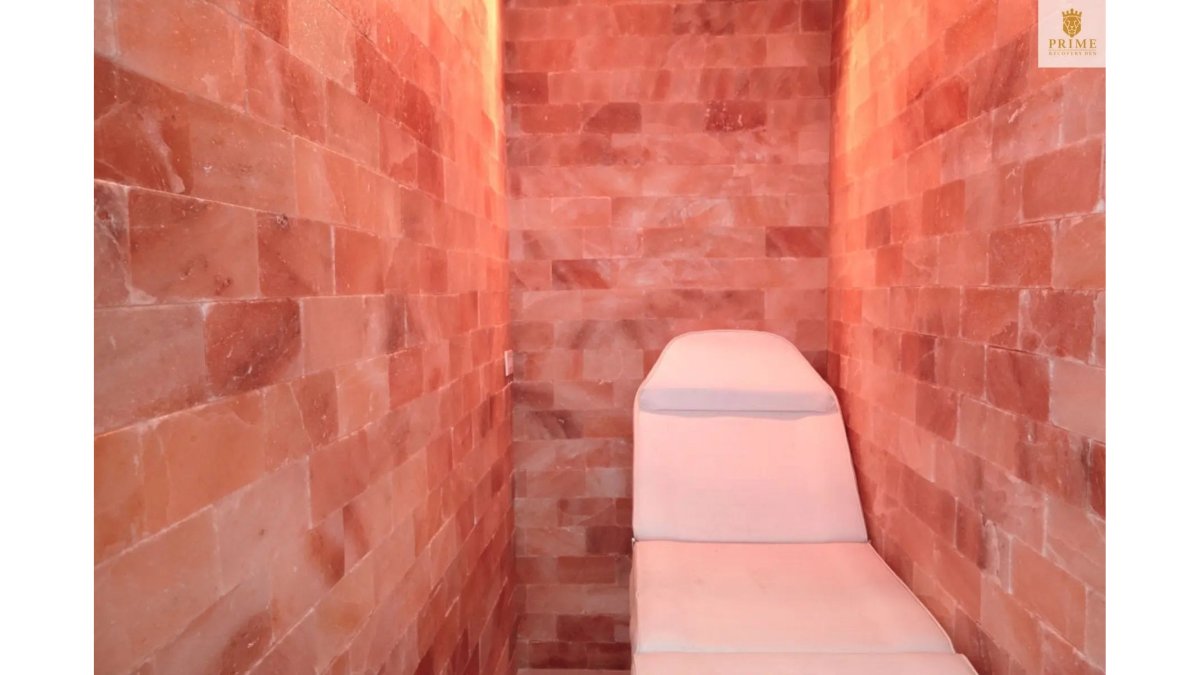
Large Salt Room 16' x 16' Surface Area →
Budget-Friendly Ways to Start Your Wellness Journey
You do not need a big budget to change how your home feels. Start with the highest-impact, lowest-cost moves and build from there.
- Move one chair to a window and make it a no-phone seat
- Replace one overhead bulb with a warm, dimmable lamp
- Clear one surface completely and keep it clear for a week
- Add one plant to the room you use most
- Put a soft rug or runner where you walk barefoot
- Designate one corner as the rest corner and use it daily
| Starting Point | What to Do | What It Costs | What It Changes |
|---|---|---|---|
| Zero budget | Rearrange light and seating | Nothing | Immediate calm |
| Small budget | Lamps, plants, rugs | Under $200 | Sensory comfort |
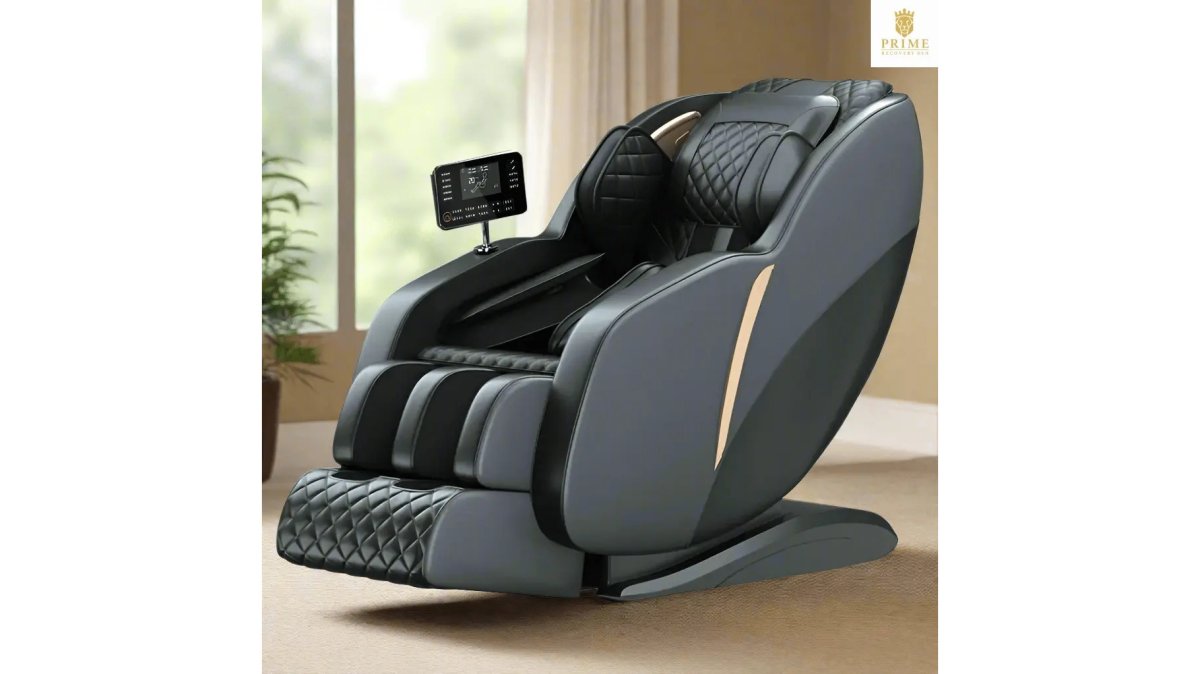
| Mid budget | Massage chair | Entry-level equipment | Daily recovery habit |
| Full build | Plunge, sauna, float pod | Major investment | Complete sanctuary |
Acoustic Comfort and Noise Pollution in Your Home
Acoustic comfort is the design goal of a space where sound supports rather than disrupts what you are doing, and it is the most overlooked element in home wellness planning. Household noise comes from traffic, appliances, HVAC systems, and hard surfaces that bounce sound instead of absorbing it. It matters because the nervous system treats sudden or sustained noise as a potential threat, staying slightly activated until the sound stops.
How Sound Affects the Nervous System
Sound is processed faster than almost any other sensory input, which is why a sudden noise can spike your heart rate before you consciously identify it. Sustained noise, even at low volume, keeps the body mildly alert. That is why two homes with identical layouts and furniture can feel completely different: one absorbs sound, the other reflects it.
The Most Common Sources of Household Noise
Most homes have four or five dominant noise sources, and identifying yours is the first step:
- Exterior traffic and neighbors entering through windows and shared walls.
- HVAC and appliances producing constant low-frequency hum.
- Hard surfaces (tile, glass, bare walls) reflecting sound and extending its life.
- Open floor plans letting sound travel freely between zones.
- Screens and devices adding unpredictable, attention-grabbing noise.
Practical Fixes That Do Not Require a Renovation
Acoustic treatment is one of the cheapest wellness upgrades available, and most of it doubles as decor:
- Rugs and carpet runners absorb footfall and reflected sound, especially on hard floors.
- Heavy curtains reduce exterior noise and soften interior reflections.
- Bookshelves and upholstered furniture act as natural sound diffusers.
- Acoustic panels can be added behind artwork or as standalone pieces without changing a room's look.
- Door seals and draft blockers close the gaps where sound leaks between rooms.
- White noise or a small fountain masks unpredictable sounds with a steady, predictable one.
Why This Matters More Than Ever for Remote Workers
Remote and hybrid work moved the office into the home, and many people now spend entire days in a space never designed to absorb calls, keyboards, and appliances. Post-pandemic home-office burnout is often acoustic before it is anything else. The fix is not soundproofing the whole house, it is giving yourself one acoustically calm zone to think, rest, or recover without competing with the room.
Conclusion
The hardest part of designing for mental wellness is not the budget. It is the discipline to treat your home as a system that either restores you or wears you down, and to decide accordingly.
Frequently Asked Questions
How does interior design impact mental health?
Interior design directly affects your mental health through environmental psychology. Elements like natural light, color psychology, spatial layout, and clutter management influence cortisol levels and mood regulation. A well-designed space reduces stress, improves cognitive function, and supports emotional health. Simple changes like adding indoor plants, improving lighting, or creating a dedicated relaxation zone can make a measurable difference in how you feel daily.
What are the core principles of wellness-focused home design?
Wellness-focused home design centers on biophilic design, sensory comfort, and personalization. Key principles include maximizing natural light, using calming color psychology, reducing clutter, creating dedicated zones for relaxation and productivity, and incorporating restorative features like saunas or cold plunges. Acoustic comfort and indoor air quality also matter. The goal is a home sanctuary that supports both mental clarity and physical recovery.
Can home design help reduce symptoms of anxiety?
Yes. Research in neuroaesthetics and environmental psychology shows that thoughtfully designed spaces can lower cortisol levels and promote tranquility. Reducing visual clutter, improving acoustic comfort, and adding biophilic elements like plants or natural materials create a restorative environment. Dedicated quiet zones and features like infrared saunas or float tanks offer evidence-based stress reduction, helping manage anxiety symptoms naturally.
What is the connection between physical clutter and mental stress?
Physical clutter competes for your attention, increasing cognitive load and stress. Studies show that disorganized environments correlate with higher cortisol levels and reduced productivity. Decluttering and clutter management are foundational mental health interior design tips. A tidy, intentional space supports focus, mood regulation, and a sense of control, all of which contribute to emotional health and well-being.

Leave a comment
This site is protected by hCaptcha and the hCaptcha Privacy Policy and Terms of Service apply.