

Smart Wellness Tech for Stress Relief: 2026 Reviews
Table of Contents
- How Smart Wellness Tech Calms the Nervous System
- Wearable Stress Management Devices: What They Can and Cannot Do
- Vagus Nerve Stimulation Benefits for Anxiety and Recovery
- Prime Recovery Den Picks: Smart Wellness Tech for Stress Relief Reviews
- Home Wellness Sanctuary Essentials: Building a Room That Lowers Your Heart Rate
- Privacy, Safety, and Long-Term Habit Formation
- Frequently Asked Questions
Last Updated: September 26, 2026
How Smart Wellness Tech Calms the Nervous System
Smart wellness tech for stress relief measures and gently shifts the body's stress response in real time. This guide from Prime Recovery Den reviews the devices worth owning in 2026.
The Science Behind Stress Management Wearables
Stress management wearables are devices that use biometric sensors to track physiological signals like heart rate variability, then guide you toward calm through feedback, vibration, or light.
Wearable Stress Management Devices: What They Can and Cannot Do
Wearables excel at awareness but cannot replace sleep, movement, or a conversation with your doctor. The gap between promise and delivery comes down to three things: where the sensor sits, what it measures, and whether the app turns data into a behavior you'll repeat.
What they do well
- Track HRV, resting heart rate, and sleep architecture. Most consumer wearables sample heart rate many times per second and derive HRV from the intervals between beats, the same signal clinical gear uses, filtered through a consumer algorithm.
- Nudge you toward breathwork at the right moment. The useful ones trigger a prompt when your HRV trends below your personal baseline, not at a fixed time of day.
- Build habit data you can review over months. A single bad night means nothing; a four-week trend tells you whether the device is changing your physiology.
Where they fall short
- They measure stress; they don't resolve its root cause. A wearable can show you that your Tuesday meetings wreck your HRV. It cannot restructure your calendar.
- Sensor accuracy varies by placement. Chest straps remain the reference standard for HRV, finger-based sensors (rings, clips) are next, and wrist-based optical sensors are the most convenient but most vulnerable to motion artifact, cold hands, and poor skin contact. Compare a wrist reading to a chest strap during the same workout and expect them to disagree, sometimes by double digits.
- Most require an app, and app fatigue is real. A device that pushes five notifications a day gets muted by week two. Look for one that surfaces a single actionable metric.
- Sleep staging is approximate. Consumer sleep stages (light, deep, REM) are inferred from movement and heart rate, not measured directly like an EEG. Treat the trend as useful and the exact minutes as directional.
What clinical validation actually looks like
"Clinically validated" gets used loosely. Stronger claims come from peer-reviewed studies comparing the device's readings against polysomnography for sleep or ECG for HRV; weaker claims rest on internal testing or user surveys. When a product page cites research, check whether the study measured the device itself or just the underlying technique (like slow breathing) it's based on.
Vagus Nerve Stimulation Benefits for Anxiety and Recovery
Vagus nerve stimulation benefits center on one idea: activating the vagus nerve shifts you toward parasympathetic calm, slower heart rate, easier digestion, and a measurable drop in the physiological stress response. What almost no review covers is who should not be doing this, and why.
The mechanism, briefly
The vagus nerve is the main highway of the parasympathetic nervous system. It carries signals between your brain and your heart, lungs, and gut. When it's toned, recovery is faster. When it's not, you stay closer to fight-or-flight. Devices that target this range from handheld units to chairs with haptic feedback. The evidence is strongest for paced breathing and cold exposure, both of which stimulate the vagus nerve indirectly.
Contraindications: who should skip vagus-targeting devices
- People with implanted electronic devices. Pacemakers, vagus nerve stimulators, and similar implants can interact with electrical stimulation or strong magnetic fields. Talk to your cardiologist before using any device that delivers current or pulsed fields.
- Anyone with a history of seizures or epilepsy. Some forms of auricular (ear) vagus stimulation have been studied in seizure treatment, but consumer devices are not cleared for that use, and self-treatment without medical supervision is risky.
- Pregnancy. Cold immersion and intense heat therapies are generally discouraged without obstetric clearance. The physiological stress response is not something to experiment with during pregnancy.
- Circulatory and cardiac conditions. Cold plunge and cryotherapy constrict blood vessels. If you have Raynaud's, arrhythmia, or uncontrolled hypertension, that's a conversation with your physician, not a product page.
- Sensory sensitivities and anxiety disorders. Float tanks and sensory isolation can be deeply calming for most people and genuinely distressing for others. If you're prone to panic in enclosed spaces, start with a shorter session and a tank you can leave easily.
- Recent surgery, open wounds, or acute injury. Heat and cold therapies both affect local blood flow. Skip them until you're cleared.
Cold exposure, done safely
Cold exposure deserves a note here. A cold plunge triggers a controlled stress response, and the recovery afterward is where the calmness lives. If ice baths sound miserable, or the contraindications above rule them out, a dry alternative exists. The CryoCloud Recovery Bed delivers cold therapy and a floating sensation without water, ice, or tanks. You recline fully clothed on a cushioned surface while precision-cooled channels circulate beneath you, recreating the anti-inflammatory benefit of a plunge and the weightless ease of float therapy in one hygienic setup.
A safer on-ramp
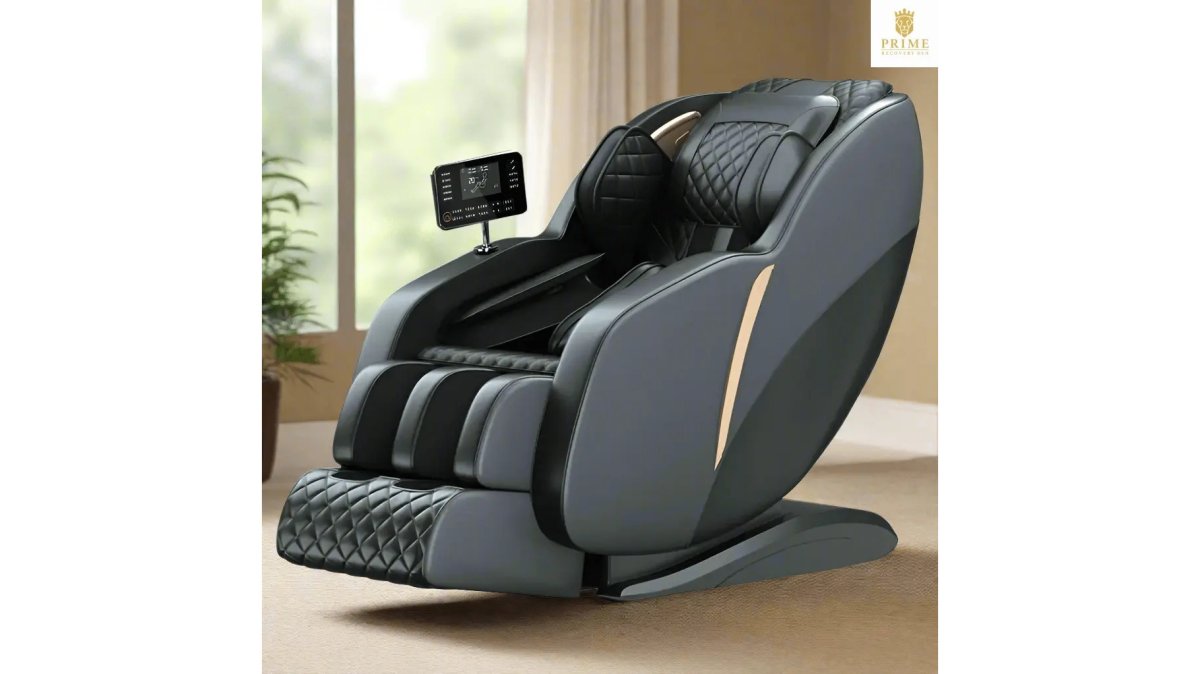
If cold therapy is off the table, paced breathing is the lowest-risk vagus-adjacent practice: roughly six breaths per minute, exhale longer than inhale, five to ten minutes. It's free, has no contraindications for most healthy adults, and pairs well with any wearable that tracks HRV. For a passive version of the same wind-down, a TruComfort OmniSense 4D Massage Chair session with zero-gravity recline and lumbar heat gives your nervous system the same signal, safe, warm, and deeply restful.

Prime Recovery Den Picks: Smart Wellness Tech for Stress Relief Reviews

| Product | Price | Best For | Standout Feature |
|---|---|---|---|
| MedEq Recovery C13 4D Massage Chair | $2,399 | Daily stress relief | AI voice control, SL-track 4D |
| TruComfort OmniSense 4D Massage Chair | $7,999 | Deep-tissue recovery | Body scanning, zero-gravity recline |
| EnergyLounger Red & Infrared Blanket | $6,500 | Portable recovery | FDA-cleared, 660/850 nm |
| Dreampod Float Tank / CryoCloud Bed | $21,499+ | Total sensory reset | Flotation or dry cold therapy |
MedEq Recovery C13 4D Massage Chair
The C13 is the best entry point into serious at-home recovery. A 4-point manipulator walks an SL track from head to glutes, and full-body airbags knead your shoulders, arms, waist, hips, and legs. Smart body detection positions the rollers to your frame automatically.
TruComfort OmniSense 4D Massage Chair
If you want the deepest tissue work available in a chair, this is it. The OmniSense 4D scans your spine, shoulder height, and torso length before every session, then adjusts roller depth, speed, and track width accordingly.
MedEq Recovery C13 4D Massage Chair →
EnergyLounger Red & Infrared Light Therapy Blanket
This is the pick for people who travel or train hard. The blanket combines 660 nm red light and 850 nm near-infrared in a flexible, FDA-cleared, hands-free wrap. Five intensity levels and a 10 to 90 minute timer cover everything from a light evening session to deeper therapeutic warmth.
Dreampod Float Tanks and CryoCloud Recovery Bed
These two represent the top of the range and solve the same problem differently. The Dreampod V-Max is the most spacious sensory isolation tank available, with a polished fiberglass interior, TCP/IP connectivity for remote session control, and room for couples or athletes who need to stretch. It ships free within the continental U.S. and arrives in 5 to 10 business days.
Home Wellness Sanctuary Essentials: Building a Room That Lowers Your Heart Rate
A home wellness sanctuary essentials list starts with light, air, and temperature, not gadgets. Get those three right and everything else compounds.
Start here:
- Warm, low ambient lighting. A 500 lb Himalayan salt lamp throws an amber glow across a large room and releases negative ions when warmed. It's a statement piece that changes how a space feels the moment you walk in.
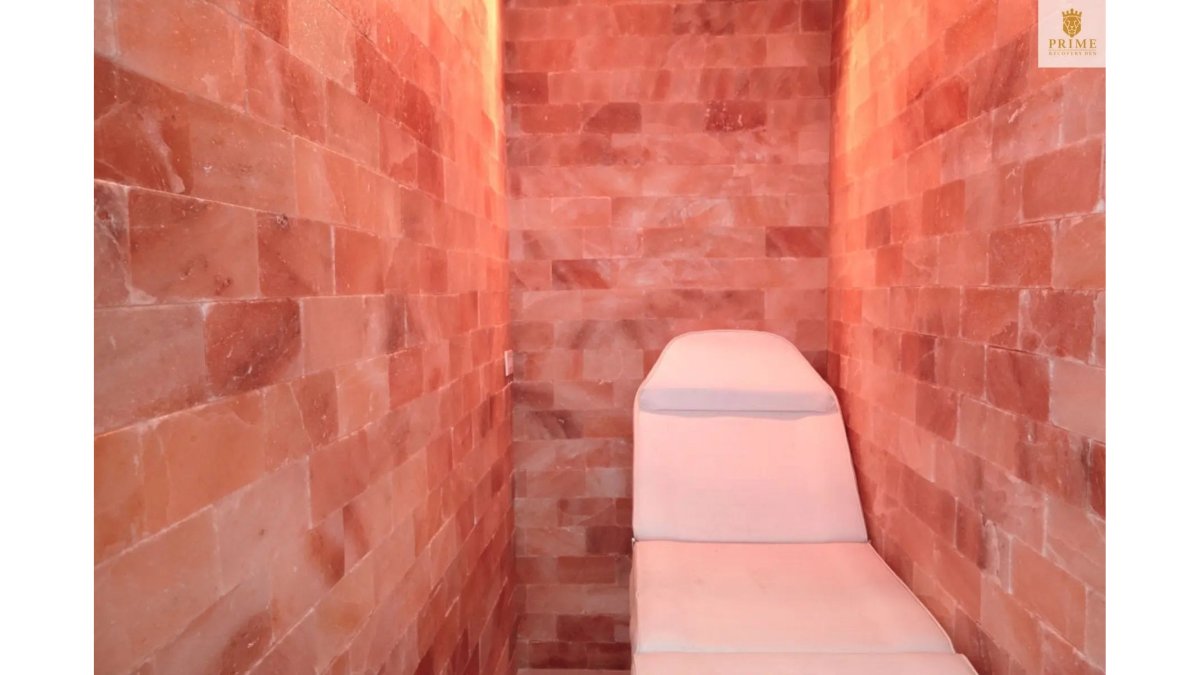
- Salt in the air. A Himalayan Salt Sauna package covers 35 square feet with 70 handmade Grade AAA bricks. Heated, they support halotherapy, which many people find helps respiratory comfort and relaxation.
- A smaller salt accent. The 4'x4' salt room kit covers 16 square feet and works well for a meditation corner or accent wall.
- Red light, full body. The Full-Body Dual-Chip Red Light Therapy Panel comes in 600, 800, or 1008 LED configurations, with LEDs rated for up to 100,000 hours.
Privacy, Safety, and Long-Term Habit Formation
For broader context on how stress affects health, the CDC resources on stress and coping outline the physiological stakes clearly.
Frequently Asked Questions
Do wearable stress relief devices actually lower cortisol levels?
The evidence is mixed. Wearables that track heart rate variability and guide breathing can help you notice stress earlier and pace your breath, which supports nervous system regulation. Devices that claim to "lower cortisol" through passive wear alone have thinner clinical backing. Think of them as feedback tools rather than treatment: they show you what your body is doing, and the real change comes from how you respond, whether that's a breathing session, a float, or a massage chair routine.
How does vagus nerve stimulation technology work for anxiety?
Vagus nerve stimulation uses gentle electrical or vibration signals, often through the ear or neck, to activate the parasympathetic branch of the autonomic nervous system. That branch slows heart rate, supports digestion, and pulls you out of the fight-or-flight state. Some users report a calmer, more grounded feeling within minutes. It is non-invasive and generally well tolerated, though anyone with a cardiac device or implanted stimulator should check with a physician first.
What should I look for when reading smart wellness tech for stress relief reviews?
Check whether the reviewer names specific features: biometric sensors, heart rate variability tracking, haptic feedback, session length, and whether the device integrates with a mobile app you will actually open. Look for honest cons and a clear statement of who the product is not for. Reviews that only list benefits tell you little. Also check the return policy and warranty, since high-ticket wellness equipment is a long-term purchase.
Can smart wellness tech replace traditional stress management techniques?
No, and the best reviews say so plainly. Devices work best as a support for habits you already value: sleep hygiene, mindfulness, movement, and time outdoors. A float pod or massage chair can make deep relaxation easier to reach and repeat, but it does not replace therapy, exercise, or a consistent bedtime. Treat the technology as a tool that removes friction from your routine, not a substitute for the routine itself.
Are home wellness sanctuary essentials worth the cost for stress relief?
It depends on how often you will use them. A massage chair or light therapy blanket that gets daily use delivers far more value than a device that sits idle. Home wellness sanctuary essentials make sense when they replace recurring spa or recovery appointments, or when they help you build a habit you would otherwise skip. Start with one piece that fits your space and routine, then expand once the habit sticks.

Leave a comment
This site is protected by hCaptcha and the hCaptcha Privacy Policy and Terms of Service apply.