


What to Look for in Sauna Warranties: A 2026 Guide
Table of Contents
- Understanding Sauna Warranty Coverage Types
- Parts vs. Labor Coverage: What's Actually Included
- What Voids a Sauna Warranty: Red Flags and Hidden Exclusions
- Sauna Heater Lifespan and Coverage Expectations
- Infrared Sauna Warranty Comparison: Key Differences
- The Warranty Claim Process: Step-by-Step
- Critical Questions to Ask Before Purchasing
- Conclusion
Last Updated: August 7, 2026
Understanding Sauna Warranty Coverage Types
Sauna warranties fall into distinct categories, each protecting different aspects of your investment. Limited lifetime warranties typically cover structural integrity of the frame and cabinet for the original owner's lifetime, though "lifetime" often excludes labor, shipping, and replacement parts. Parts-only warranties cover manufacturing defects but exclude installation costs, a $50 part might cost $500 to install. In-home service warranties include technician visits to your home, eliminating shipping hassles but costing more upfront. Pro-rated coverage decreases manufacturer responsibility over time; a heating element fully covered for three years might be 50% covered in years four and five. Understanding coverage type determines what actually gets protected and at what cost to you.
Parts vs. Labor Coverage: What's Actually Included
Parts coverage means the manufacturer replaces defective components at no cost within a specified timeframe, but excludes wear and tear. A heating element degrading after five years of regular use isn't a manufacturing defect, it's normal longevity. Labor coverage means the manufacturer pays the service technician; without it, you pay $150-300 for a service visit even though the part is free. In-home service eliminates this gap by sending a technician to your home, particularly valuable for infrared saunas with complex electrical systems requiring professional diagnosis.
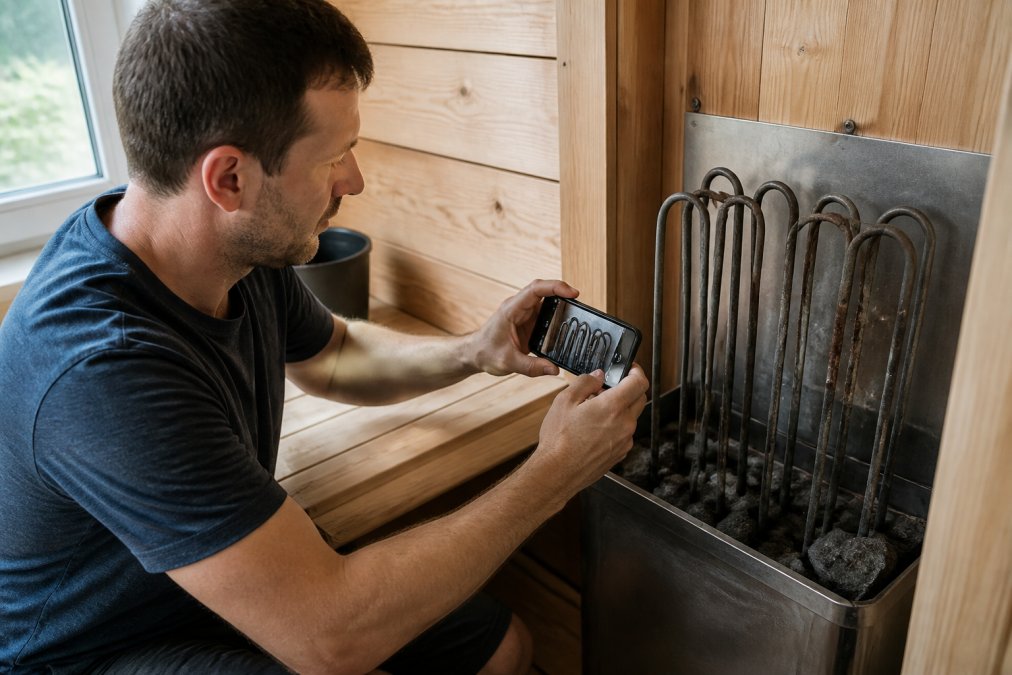
What voids a sauna warranty often includes failing to pay for professional installation or attempting DIY repairs. If the warranty requires authorized installation and you install it yourself, coverage ends. Some manufacturers require annual maintenance checks; skipping these voids future claims. The practical reality: a parts-only warranty on a $5,000 sauna might save you $200 on a heating element but cost you $300 in labor. Calculate the real value before assuming you're protected.
What Voids a Sauna Warranty: Red Flags and Hidden Exclusions
Environmental exclusions appear in nearly every warranty. Extreme temperature fluctuations, high humidity, salt exposure, and chlorine damage typically aren't covered. Saunas installed in damp basements or near pools operate in higher-risk environments. Some warranties specifically exclude outdoor or unheated installations.
Improper installation voids most warranties immediately. If the manufacturer specifies licensed electrician installation and you hire a handyman, coverage ends. Maintenance failures are another common exclusion, if the warranty requires annual inspections and you skip them, the manufacturer can deny claims. Shipping damage is frequently excluded if you arrange transport yourself. Cosmetic damage like discoloration or minor cracks is almost never covered.
Red flags include vague terms like "normal use" without definition and requirements to register within 30 days of purchase.
Sauna Heater Lifespan and Coverage Expectations
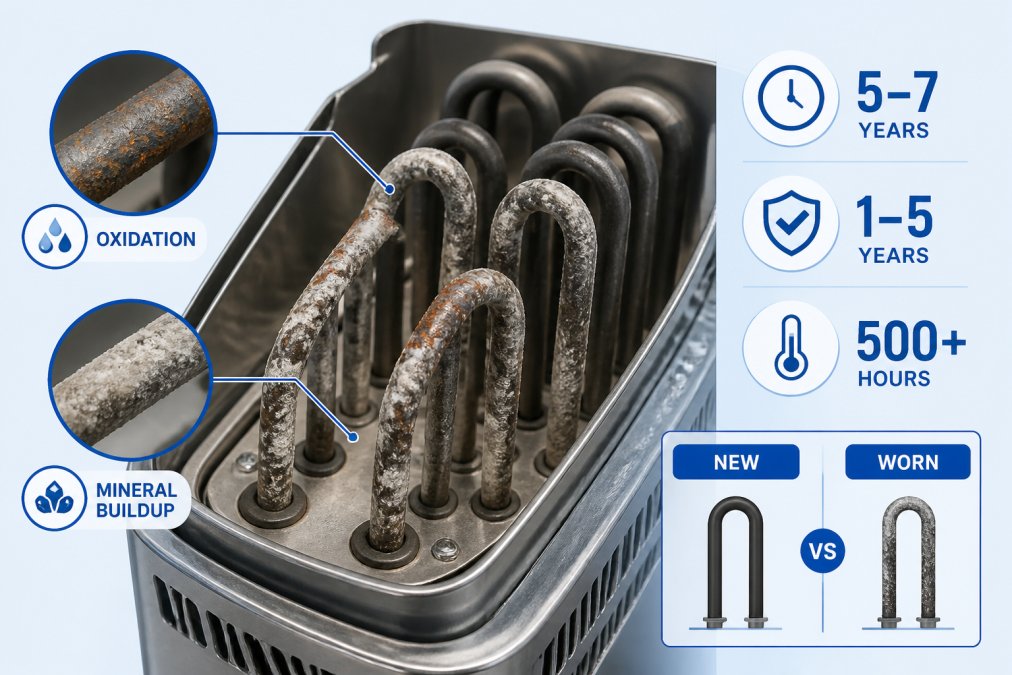
Traditional sauna heaters using electric resistance elements typically last 8-15 years under normal residential use, but most warranties cover them for only 3-5 years. Daily use accelerates degradation; occasional use extends lifespan. Infrared heating elements using carbon or ceramic panels rated for 10,000+ hours may last 5-7 years with daily use or 10+ years with occasional use. Many infrared manufacturers offer 7-10 year heating element coverage, reflecting confidence in longevity.
What voids heating element warranties includes improper voltage supply and hard water mineral deposits, both considered maintenance rather than manufacturing defects. Coverage expectations should be realistic: a five-year warranty protects against early failure, not normal degradation. After year five, assume you're responsible for replacement costs, typically $200-500 in parts plus labor.
Infrared Sauna Warranty Comparison: Key Differences
Electrical component coverage differs substantially from traditional saunas. Infrared models rely on complex control boards, LED displays, and timer systems more prone to failure. Many infrared warranties offer 5-7 year coverage for electrical components. Heating element longevity in infrared models is often longer than traditional saunas; carbon or ceramic panels are more durable than metal coils. Warranties often provide 7-10 year coverage for infrared heating elements compared to 3-5 years for traditional models.
Smart features and connectivity create new considerations. Infrared saunas with app control or WiFi features add complexity; some manufacturers exclude software issues entirely. In-home service is more valuable for infrared models since proprietary control boards require manufacturer-authorized technicians. Transferability varies, some traditional warranties transfer to second owners; many infrared warranties don't. Check before purchasing if you might sell later.
The Warranty Claim Process: Step-by-Step
Step 1: Document the problem immediately. Take photographs from multiple angles, note the date the problem appeared, and what you were doing when it occurred.
Step 2: Locate warranty documents and proof of purchase. You'll need the original receipt showing purchase date, model number, and ideally the serial number.
Step 3: Contact the manufacturer's customer support. Provide your sauna's model number, serial number, purchase date, and a specific description of the problem. Don't mention DIY repair attempts.
Step 4: Provide additional documentation if requested. Respond promptly to requests for photos, videos, proof of purchase, or maintenance records.
Step 5: Receive claim approval or denial. The manufacturer will determine whether the problem falls under coverage. Common denial reasons include expired warranty, excluded damage, or improper maintenance.
Step 6: Arrange repair or replacement. Follow the manufacturer's instructions exactly. If they require an authorized service provider and you use someone else, you may lose coverage.
Step 7: Follow up if unresolved. Document new issues and contact the manufacturer again.
The entire process typically takes 2-4 weeks from initial contact to resolution.
Critical Questions to Ask Before Purchasing
What exactly does the warranty cover? Get specific written answers about heating elements, electrical components, control boards, and wood coverage duration.
What voids the warranty? Ask for exclusions explicitly in writing, including environmental conditions, installation requirements, and maintenance obligations.
What's the registration process and deadline? Confirm the deadline and what happens if you miss it.
How do I file a claim, and how long does it take? Request the claims process in writing with average resolution times.
Is the warranty transferable? If you sell the sauna or home, does coverage transfer to the new owner?
What's the cost of parts outside warranty? Knowing replacement heating element prices helps you understand post-warranty exposure.
Are there annual maintenance requirements? Ask what these cost and who performs them.
What happens if a repair fails? Are repeat failures covered within a certain timeframe?
Is labor covered for in-home repairs? This single question can mean hundreds of dollars difference.
Getting clear, written answers before purchasing ensures you understand exactly what you're buying. Vague warranties are red flags.
When investing in a sauna, the warranty represents your protection against manufacturing defects and unexpected failures. The difference between genuine protection and theoretical coverage comes down to understanding what you're actually covered for and what exclusions hide in the fine print. Before finalizing any purchase, review warranty documentation carefully, ask the critical questions outlined above, and verify that coverage aligns with your expectations.
| Warranty Type | Typical Coverage Duration | Parts Covered | Labor Included | Best For |
|---|---|---|---|---|
| Limited Lifetime | Lifetime (structural), 3-5 years (components) | Frame, cabinet, some electrical | Usually not | Budget-conscious buyers |
| Parts + Labor | 5-7 years | All defective components | Yes, for covered items | Mid-range budgets |
| In-Home Service | 5-10 years | All defective components | Yes, technician included | Premium buyers valuing convenience |
| Pro-Rated | 5-10 years | All components, declining coverage | Declining labor coverage | Long-term planning |
Frequently Asked Questions
What is the difference between a limited and lifetime sauna warranty?
A limited warranty covers specific components for a set period (typically 1-5 years) and often excludes wear and tear. A lifetime warranty covers structural integrity and certain components for the owner's lifetime, though labor and parts replacement may still carry limits. Lifetime warranties typically transfer to the next owner if the sauna is sold, but coverage terms may change. Always read the fine print, lifetime does not mean everything is covered forever.
Does a sauna warranty cover labor or just parts?
Most sauna warranties cover parts replacement but require you to pay for labor costs associated with service technician visits and installation of replacement components. Some premium warranties include in-home service, meaning the manufacturer covers labor for covered defects. Budget-friendly warranties typically offer parts only, making repair costs significant if heating elements or electrical components fail outside the labor coverage period. Confirm labor coverage before purchase.
What voids a sauna warranty most commonly?
Warranties are voided by improper installation, failure to follow the owner's manual maintenance schedule, DIY repairs, water damage from improper use, and environmental damage from extreme humidity or temperature fluctuations. Using non-authorized parts, exceeding recommended usage hours, and lack of warranty registration also void coverage. Climate and environmental exclusions may apply if the sauna is installed in uncontrolled outdoor spaces. Review exclusions and limitations carefully before assuming coverage applies.
Can I claim a sauna warranty without the original receipt?
Most manufacturers require proof of purchase for warranty claims, though some accept credit card statements or order confirmations as documentation. Warranty registration at the time of purchase strengthens your claim and creates a manufacturer record. If you lack the original receipt, contact customer support immediately with alternative proof of purchase. Without documentation, manufacturers may deny claims or require you to prove the purchase date through other means, potentially delaying repairs.
What is the typical lifespan of a sauna heater?
Quality sauna heating elements typically last 10-15 years with proper maintenance and regular use. Infrared technology heaters often last longer than traditional sauna heaters due to fewer moving parts. Lifespan depends heavily on maintenance, following the manufacturer's cleaning schedule and avoiding moisture accumulation extends heater life significantly. Most warranties cover heating element failure for 5-10 years, but replacement costs after warranty expiration can be substantial, making extended coverage worth considering.
How do infrared sauna warranties differ from traditional sauna warranties?
Infrared sauna warranties typically emphasize heating element coverage and electrical component durability, as infrared technology relies on specialized heating elements. Traditional sauna warranties focus more on structural integrity and wood quality. Infrared warranties may include longer coverage for heating elements (up to 10 years) compared to traditional saunas (5-7 years). Both types should specify coverage for control panels and safety features. Compare the specific components covered, as infrared technology requires different maintenance and replacement considerations.
What happens if my sauna arrives damaged during shipping?
Document damage immediately with photos and contact the manufacturer or retailer within the timeframe specified in their shipping damage policy (typically 5-7 days). Provide claim documentation including photos, the shipping label, and your order confirmation. Most companies will arrange replacement or repair at no cost if damage occurred in transit. Refusing delivery or signing off as damaged protects your claim. Shipping damage is typically covered separately from the product warranty and does not void coverage.

Leave a comment
This site is protected by hCaptcha and the hCaptcha Privacy Policy and Terms of Service apply.