

Premium Sauna Alternatives to Redwood Outdoors
Table of Contents
- Why Homeowners Look Beyond Redwood Outdoors
- Sauna Heater Types for Home Use: Electric vs. Wood-Burning
- Top Premium Sauna Alternatives Compared
- How to Choose an Outdoor Sauna: Key Decision Factors
- Maintenance Requirements for Cedar Saunas and Wood Construction
- Electrical Requirements and Permit Navigation
- Long-Term Costs: Beyond the Purchase Price
- Conclusion
Last Updated: August 6, 2026
When you're shopping for a premium sauna, Redwood Outdoors isn't your only option, and for many homeowners, it's not the best fit. The sauna alternatives market has expanded dramatically, offering buyers far more choice in heater technology, construction quality, and design philosophy than existed five years ago. This guide from Prime Recovery Den breaks down the premium sauna alternatives worth considering, along with the decision framework that actually matters when you're investing five figures in a backyard wellness space.
Why Homeowners Look Beyond Redwood Outdoors
Redwood Outdoors dominates the conversation, but that dominance rests partly on brand recognition rather than objective superiority. Homeowners investigate alternatives for three specific reasons: budget constraints, design preferences that don't align with Redwood's aesthetic, or a mismatch between what Redwood offers and what your space actually requires.
The real problem isn't that Redwood Outdoors makes a bad sauna. It's that choosing a sauna based on brand alone ignores the fundamental differences in heater technology, construction materials, and long-term ownership costs. A far-infrared sauna from one manufacturer operates on completely different principles than a traditional wood-burning stove from another.
Premium sauna alternatives exist across multiple categories: far-infrared systems with ceramic heaters, traditional Finnish designs with electric or wood-burning heat, modern DIY kits with modular construction, and hybrid approaches that blend aesthetics with performance. If you're prioritizing detoxification and deep tissue heat penetration, far-infrared technology dominates. If you want authentic löyly (the Finnish term for steam quality) and community tradition, traditional designs with large stone capacity matter more than heater wattage.
Sauna Heater Types for Home Use: Electric vs. Wood-Burning
The heater you choose determines everything: heat quality, operating costs, maintenance burden, and the experience itself.
Electric heaters use either traditional resistance coils or infrared technology. Traditional electric heaters heat the air directly, reaching temperatures of 160-195°F. Infrared heaters emit radiant energy that penetrates skin and tissue before heating the surrounding air, typically operating at lower temperatures (120-150°F) while still delivering intense heat sensation.
Wood-burning stoves heat rocks (called sauna stones) that sit in a basket above the stove. Pouring water over hot rocks creates löyly, the steam that defines authentic sauna experience. Wood-burning setups require more skill to operate, demand proper ventilation and chimney installation, and involve ongoing wood sourcing and ash management. But they deliver a sensory experience electric heaters cannot replicate.
Hybrid systems exist: electric heaters with large stone capacity that mimic traditional behavior, or wood-burning stoves with electric backup. These cost more but offer flexibility.
| Heater Type | Temperature Range | Operating Cost | Maintenance | Best For |
|---|---|---|---|---|
| Traditional Electric | 160-195°F | Moderate | Minimal | Convenience, consistent heat |
| Infrared (Far-Infrared) | 120-150°F | Low to moderate | Minimal | Deep tissue heat, lower energy bills |
| Wood-Burning | 150-195°F | Low (fuel cost only) | Significant | Authentic experience, tradition |
| Hybrid Electric/Wood | 150-195°F | Variable | Moderate | Flexibility, backup options |
Top Premium Sauna Alternatives Compared
The market divides into distinct categories. Far-infrared systems from Clearlight and TheraSauna dominate the premium electric segment. Harvia represents traditional Finnish craftsmanship with modern controls. SaunaLife offers a modern design-forward approach with DIY assembly. Prime Recovery Den curates this entire landscape, helping discerning buyers navigate the choice based on their actual priorities rather than marketing noise.
Clearlight Saunas Premier Series: Far-Infrared Technology
Clearlight's Premier Series positions itself as the entry point to far-infrared sauna ownership. The heaters use a carbon-ceramic blend (True Wave technology) designed to emit infrared wavelengths in the 7-14 micron range. The cabin construction uses eco-certified Western Red Canadian Cedar or Basswood, materials chosen for durability and aesthetic appeal.
Key features include low EMF design, digital keypad controls, and a reservation mode that lets you schedule sessions in advance. Clearlight backs the heaters with a limited lifetime warranty. The real strength here is consistency and reliability. Pricing starts around $3,400 for entry-level models, but add-ons like red light therapy or halotherapy push costs significantly higher.
TheraSauna Premium Series: US-Made Ceramic Heaters
TheraSauna competes directly with Clearlight but emphasizes domestic manufacturing and proprietary ceramic heater technology. The Premium Series uses solid ceramic TheraMitter heaters with 96% radiant efficiency. The Stable Heat system maintains consistent infrared output at 9.4 microns, a narrower band than Clearlight's range.
The control system includes Micron Power Select zone control and SpectraWave chromotherapy (color light therapy integrated into the cabin). US manufacturing carries weight for buyers prioritizing domestic supply chains and shorter shipping timelines. TheraSauna builds in the United States, which means faster delivery and easier warranty service compared to imports. Pricing starts around $4,000.
Harvia: Finnish Craftsmanship and Customization
Harvia represents a different philosophy entirely. Rather than selling complete cabin systems, Harvia manufactures heaters and sauna room components, allowing builders and homeowners to customize dimensions, materials, and configurations. The company offers 75 years of Finnish sauna tradition.
The product range spans traditional electric heaters and wood-burning stoves, along with modern Wi-Fi enabled controls on select models. Stone capacity varies dramatically by model, which directly affects steam quality and heat distribution. If you want a sauna that performs like a traditional Finnish design but with modern controls, Harvia delivers. Heater pricing starts around $860, but a complete installation with stones, controls, and cabin construction runs far higher.
SaunaLife Cube Series: Modern DIY Design
SaunaLife takes a distinctly different approach: modern cube-shaped cabins designed for DIY assembly. The Cube Series uses Thermo-Spruce shell construction with Thermo-Aspen benches. The design emphasizes aesthetics; the cube form looks contemporary rather than traditional, and the pre-installed 8mm bronze glass front creates visual appeal while maintaining privacy.
Assembly is genuinely DIY-friendly. Most installations complete in two days with two people. Passive chimney ventilation handles moisture without requiring complex mechanical systems. Wi-Fi LED lighting with app control adds a modern touch that appeals to buyers who want their sauna to integrate with smart-home ecosystems. The kit price ($3,990) doesn't include the heater, freight, electrical work, or foundation. Add a quality heater and professional installation, and the total cost climbs significantly above the advertised price.
How to Choose an Outdoor Sauna: Key Decision Factors
Choosing a sauna comes down to matching your priorities to what each alternative actually delivers.
Start with heater philosophy. Do you want the convenience and low operating costs of far-infrared technology, or the authentic experience and community tradition of wood-burning or traditional electric heat? This single decision eliminates roughly half your options immediately. Far-infrared buyers should compare Clearlight and TheraSauna. Traditional sauna seekers should focus on Harvia. Design-conscious buyers should evaluate SaunaLife.
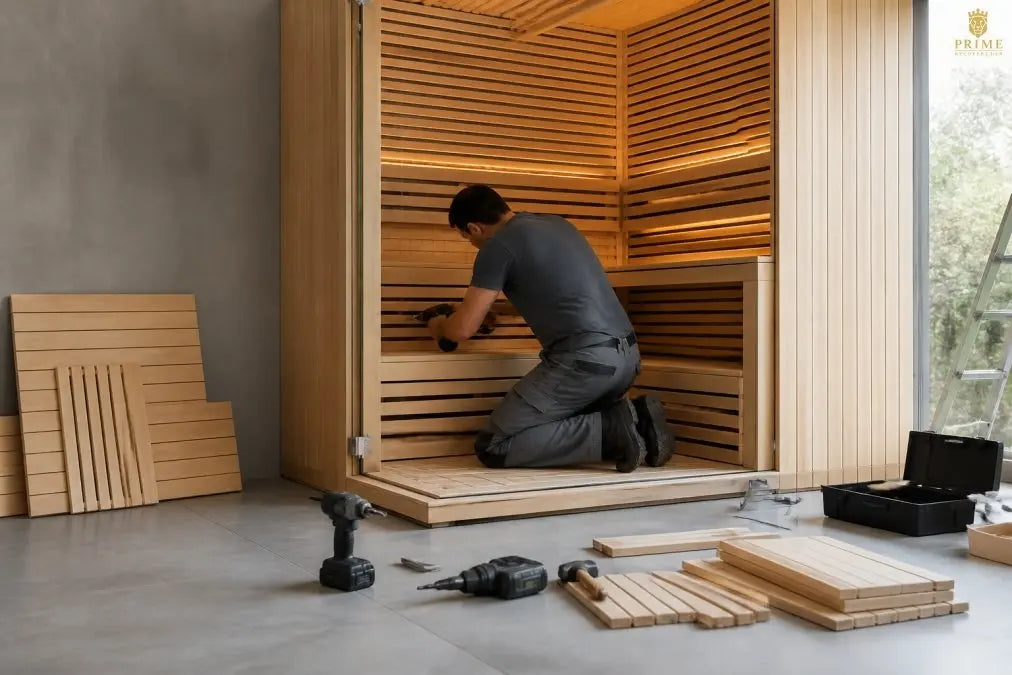
Next, consider installation complexity and your willingness to manage it. Far-infrared systems arrive mostly assembled; you handle final placement and electrical connection. Wood-burning setups require chimney installation, foundation work, and ventilation design, significantly more involved. SaunaLife kits sit in the middle: assembly is manageable, but heater installation and electrical work require professional help.
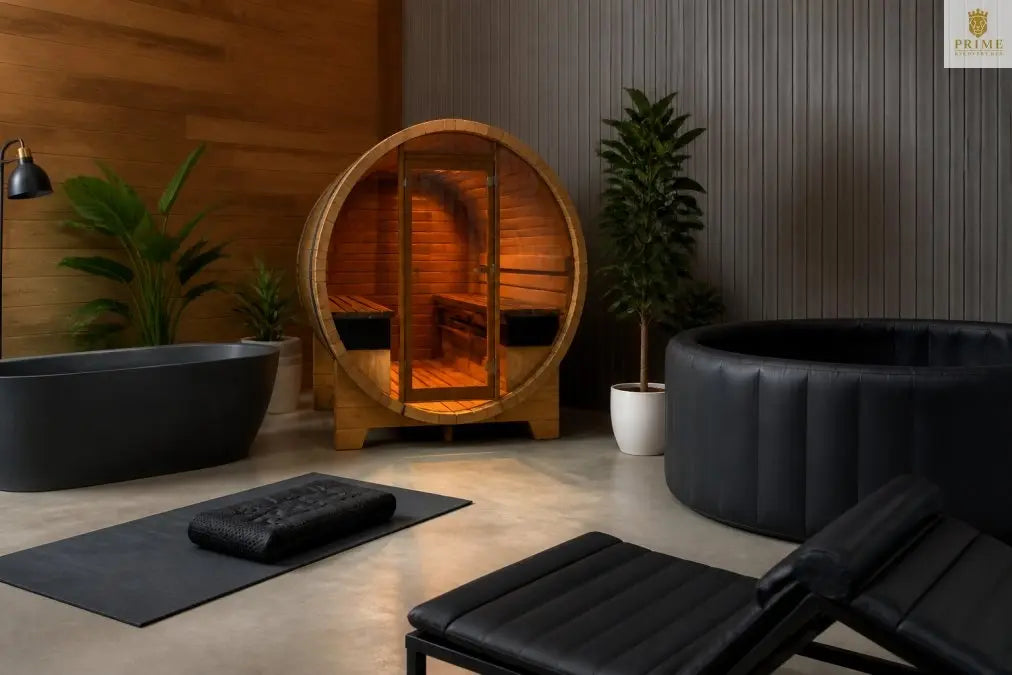
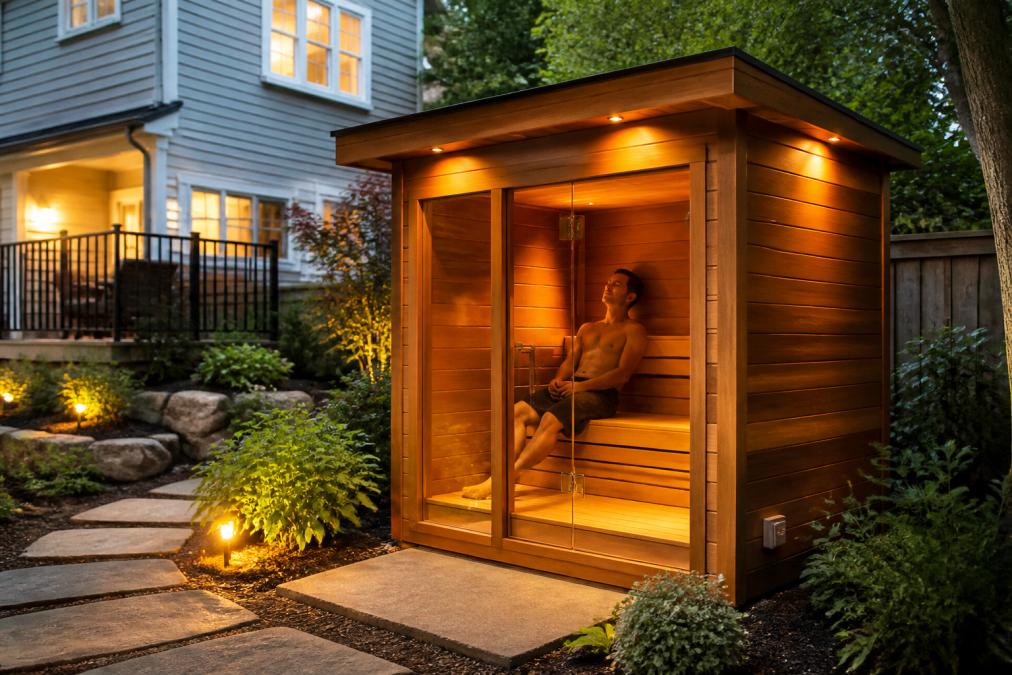
Space and aesthetics matter more than most buyers acknowledge. A traditional barrel sauna or cabin design dominates a small backyard visually. SaunaLife's cube form integrates better into contemporary home designs. Harvia's modular approach lets you customize dimensions to fit your space precisely.
Budget requires honest assessment. Far-infrared systems start around $3,400-$4,000 for the cabin alone. Add delivery, installation, and electrical work, and expect $5,000-$7,000 total. Wood-burning setups cost less for the heater itself but demand expensive chimney and foundation work. SaunaLife kits start at $3,990 but require separate heater purchase and professional installation.
Operating costs differ meaningfully. Far-infrared systems cost roughly $1-$2 per session in electricity. Wood-burning setups have minimal operating costs (just wood) but demand labor and skill. This difference compounds over years of ownership.
Maintenance Requirements for Cedar Saunas and Wood Construction
Cedar dominates sauna construction because it resists rot, handles moisture naturally, and develops character over time. But cedar maintenance determines whether your investment lasts decades or deteriorates in five years.
Exterior maintenance starts immediately after installation. Annual or biennial application of exterior wood stain or sealant protects against UV damage and moisture penetration. Plan for a full day of work or hire a contractor for $500-$1,500 depending on cabin size.
Interior maintenance is less demanding but equally important. Ensure adequate ventilation: leave the door open for several hours after each session to allow moisture to escape. Inadequate ventilation leads to mold growth on benches and walls. Benches accumulate sweat and bacteria over time. Monthly cleaning with a soft brush and mild soap keeps them sanitary.
Sauna stones inside the heater basket require periodic attention. Over time, stones crack and lose effectiveness. Replacement costs vary: electric heater stones cost $100-$300 for a full set, while wood-burning stoves may require $300-$600 in stones. Plan for replacement every 3-5 years depending on usage frequency.

The real maintenance burden emerges with wood-burning stoves. Ash accumulation requires regular cleaning. Chimney maintenance, inspecting for creosote buildup and ensuring proper draft, demands professional attention annually, costing $100-$300 per visit. A well-maintained cedar sauna lasts 15-20 years without major repairs.
Electrical Requirements and Permit Navigation
Far-infrared and electric sauna systems require dedicated electrical circuits. This isn't optional, it's a safety and code requirement.
Most electric saunas demand a 240-volt circuit with 40-60 amp capacity, depending on heater wattage. Your home's main electrical panel must have available capacity. Older homes with 100-amp service may struggle to accommodate a sauna without upgrading the panel, a $1,500-$3,000 project.
The electrical run from your panel to the sauna location matters. Long runs require thicker wire gauge, increasing material and labor costs. Budget $1,500-$3,000 for professional electrical installation, including wire, breaker, and weatherproof disconnect switch.
Permits vary by jurisdiction. Some municipalities require electrical permits for sauna installation; others don't. Building permits may apply if you're constructing a permanent structure. Check with your local building department before purchasing. Permit costs range from $50-$300, but the real cost is delay.
Inspections typically accompany permits. An electrical inspector verifies the circuit meets code, the disconnect switch is properly installed, and grounding is correct. Wood-burning stoves bypass electrical requirements but demand chimney permits and inspections.
Long-Term Costs: Beyond the Purchase Price
The sticker price captures only the initial investment. True ownership cost includes installation, electrical work, maintenance, and operating expenses over the sauna's lifespan.
Installation labor varies dramatically. Far-infrared systems require minimal assembly, often just placement and electrical hookup, running $500-$1,500. SaunaLife kits demand 16-20 hours of assembly labor, either DIY or professional. Professional assembly runs $1,500-$3,000. Wood-burning setups require foundation work, chimney installation, and ventilation design, easily $3,000-$8,000 in labor depending on complexity.
Electrical work adds $1,500-$3,000 for most installations. Wood-burning stoves eliminate this cost but add chimney work at similar expense.
Annual maintenance costs differ by heater type. Far-infrared systems require minimal maintenance beyond occasional cleaning, roughly $100-$200 annually for stain or sealant application. Wood-burning stoves demand annual chimney inspection and cleaning ($100-$300) plus ongoing wood costs ($200-$500 annually depending on usage frequency).
Stone replacement occurs every 3-5 years. Budget $200-$600 for a full replacement depending on heater type.
Operating costs accumulate over time. Far-infrared systems run roughly $1-$2 per session in electricity, assuming 2-3 sessions weekly. That's $100-$300 annually. Wood-burning stoves have minimal operating costs beyond wood. Over a 15-year ownership period, a far-infrared system might cost $8,000-$10,000 in operating and maintenance expenses. A wood-burning setup might cost $3,000-$5,000 in operating costs plus $2,000-$4,000 in chimney maintenance.
These numbers matter. They're why far-infrared systems appeal to cost-conscious buyers despite higher upfront prices; the operating costs favor them dramatically over 15+ year ownership.
Conclusion
Choosing a premium sauna alternative requires looking beyond brand recognition and understanding the fundamental differences in heater technology, construction quality, and long-term ownership costs. Far-infrared systems from Clearlight and TheraSauna deliver convenience and low operating expenses. Harvia provides authentic Finnish craftsmanship with modern controls. SaunaLife offers contemporary design for buyers who want their sauna to integrate with modern home aesthetics.
Prime Recovery Den specializes in curating premium wellness solutions that transform your personal space into a sanctuary for restoration and connection. Our selection includes carefully vetted sauna options, cold plunges, and leisure products designed for discerning homeowners who refuse to compromise on craftsmanship or atmosphere. Explore our collection to find the sauna that matches your priorities, and let our team guide you through the decision process with expertise and intentionality.
Frequently Asked Questions
What makes premium sauna alternatives worth the investment compared to budget options?
Premium sauna alternatives deliver superior heat retention through higher-quality insulation, durable wood construction (cedar or thermowood), and advanced heater technology that maintains consistent temperatures. Brands like TheraSauna and Clearlight use certified materials and precision engineering that extend lifespan to 15-20 years versus 5-8 years for budget models. Long-term durability, warranty coverage, and lower maintenance costs justify the upfront investment for serious wellness enthusiasts.
How do sauna heater types for home use affect performance and operating costs?
Electric heaters offer precision temperature control, faster heat-up times (15-30 minutes), and lower installation complexity, making them ideal for frequent users. Wood-burning stoves provide authentic löyly and lower operating costs but require more maintenance and chimney installation. Far-infrared heaters (carbon or ceramic) penetrate tissue deeper at lower air temperatures, appealing to detoxification-focused users. Your choice depends on usage frequency, available electrical capacity, and whether you value convenience or traditional sauna experience.
What are the main differences between Clearlight, TheraSauna, and SaunaLife?
Clearlight specializes in far-infrared technology with low EMF emphasis and eco-certified wood, starting around $3,400. TheraSauna focuses on US-made construction with patented ceramic heaters and zone control, beginning near $4,000. SaunaLife offers modern DIY cabin-style saunas with thermowood durability and customizable heater options, starting at $3,990 for the kit (heater and installation costs separate). Each targets different priorities: infrared wellness, American manufacturing, or aesthetic modernism.
What maintenance requirements for cedar saunas should I expect annually?
Cedar and thermowood saunas require annual exterior staining or sealing to prevent weathering and moisture penetration, taking 4-6 hours. Interior benches and floors need regular cleaning and occasional light sanding. Electric heaters require annual inspection and stone replacement every 3-5 years. Wood-burning stoves need chimney cleaning and ash removal. Budget $200-500 annually for materials and upkeep. Proper ventilation and drainage around the foundation prevent rot and extend lifespan significantly.
How do I choose an outdoor sauna if I have limited space and want it to blend with my home's design?
Prioritize compact models like SaunaLife's Cube Series (6x6 feet) or Harvia's modular options that fit tight yards. Choose wood finishes matching your home's exterior: cedar for traditional aesthetics, thermowood for modern minimalism. Placement near a tree line or against a fence reduces visual impact. Infrared saunas (Clearlight, TheraSauna) require less external ventilation, making them suitable for close-proximity installation. Request design mockups from manufacturers to visualize fit before committing.


Leave a comment
This site is protected by hCaptcha and the hCaptcha Privacy Policy and Terms of Service apply.