

Sauna alternatives for recovery: 7 options beyond Sun Home
Table of Contents
- Why Athletes and Wellness Enthusiasts Seek Sauna Alternatives for Recovery
- Cold Plunge for Muscle Recovery: The Contrast Therapy Advantage
- Red Light Therapy for Recovery: Cellular Healing Without Heat
- Compression Therapy Benefits: Active Recovery Without Temperature Extremes
- Affordable Recovery Tools: Budget-Friendly Sauna Alternatives
- Comparison Table: Sauna Alternatives for Recovery Side by Side
- DIY vs. Pre-Fab Recovery Systems: Cost-Benefit Analysis
- Which Sauna Alternative for Recovery Fits Your Recovery Goals
Sauna alternatives for recovery: 7 options beyond Sun Home
Last Updated: July 27, 2026
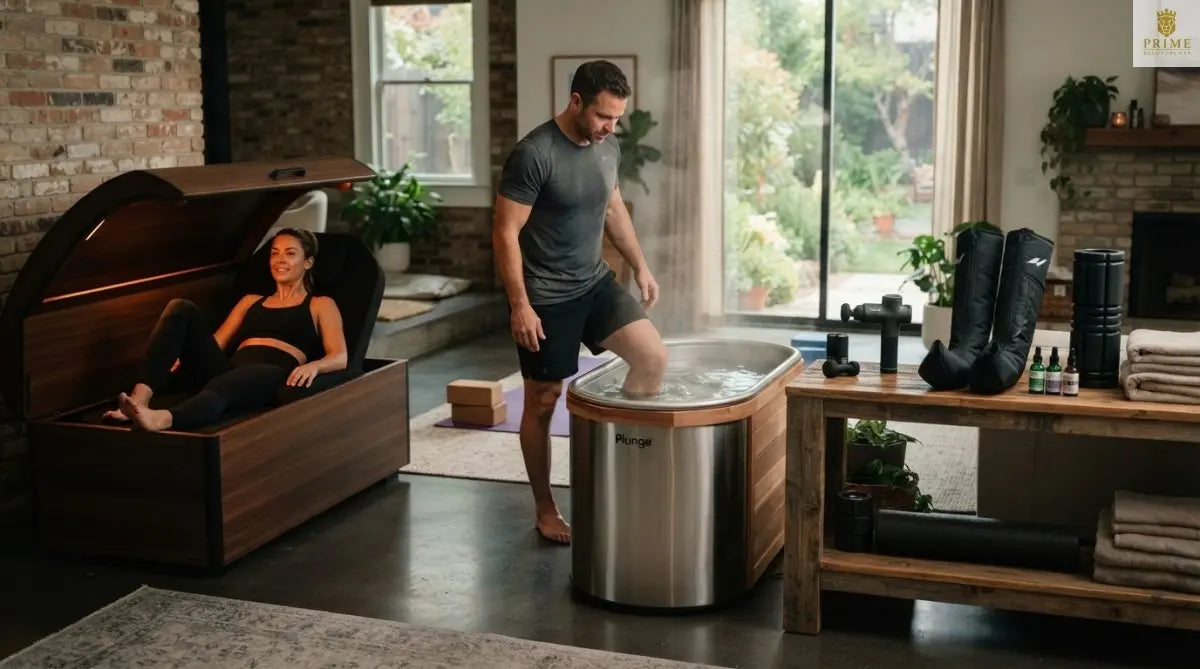
When athletes and wellness enthusiasts seek Sun Home Saunas alternatives for recovery, they're often addressing space constraints, budget limitations, or the need for targeted muscle recovery without heat. At Prime Recovery Den, we've found that the most effective approach combines cold therapy, light-based healing, compression, and portable options rather than relying on a single tool. Below, we'll show you how to evaluate seven proven alternatives that can either complement or replace sauna-based recovery, with specific guidance on which option fits your goals, space, and budget.
Why Athletes and Wellness Enthusiasts Seek Sauna Alternatives for Recovery
Heat-based recovery improves circulation and reduces muscle soreness, but saunas aren't universal solutions. Space constraints eliminate them for apartment dwellers. Budget constraints make a $5,000 sauna impractical for most home gyms. And for certain recovery goals, like acute inflammation reduction, heat can actually be counterproductive.
The fastest recovery times come from layering recovery tools strategically based on the specific injury, training phase, and timeline to competition. Cold plunges reduce inflammation in the first 48 hours post-injury. Red light therapy accelerates cellular repair over weeks. Compression therapy moves metabolic waste out of muscle tissue in minutes. Sauna blankets provide accessible heat without dedicated space.
A Sun Home Saunas alternative doesn't mean abandoning heat entirely, it means matching each recovery method to your specific physiological need.
Cold Plunge for Muscle Recovery: The Contrast Therapy Advantage
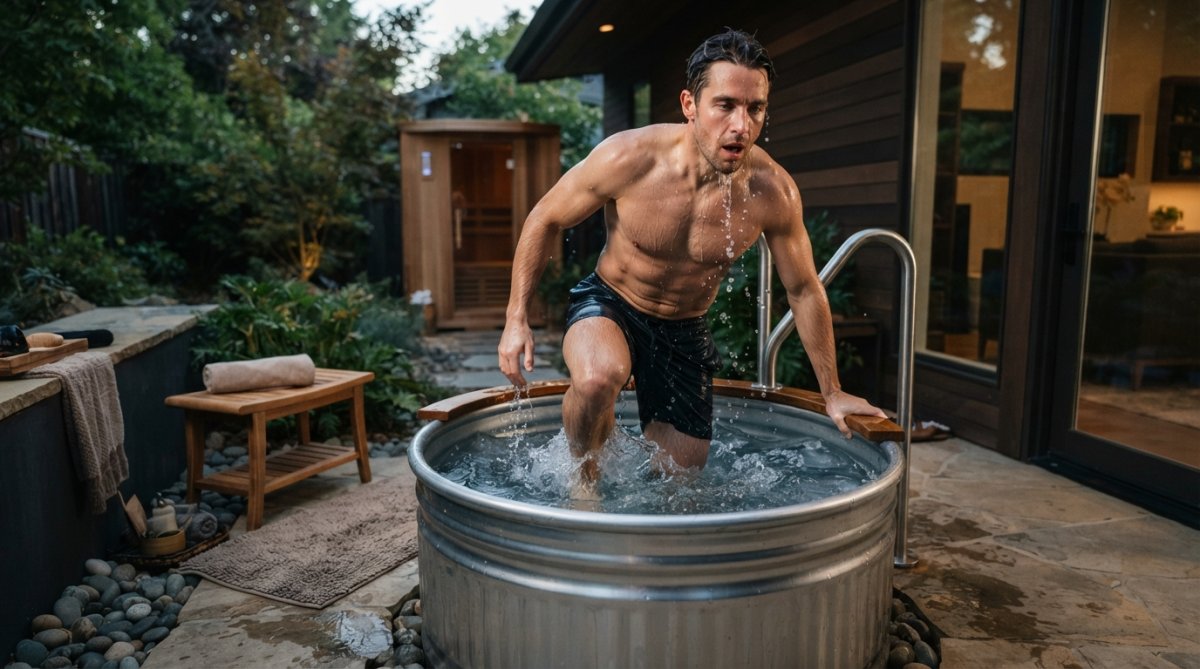
Cold water immersion is the fastest way to reduce acute inflammation and perceived muscle soreness after intense training. Cold water causes vasoconstriction, which slows metabolic activity and reduces inflammatory cytokine release. When applied in the 24-48 hour window after training, this creates measurable reductions in delayed-onset muscle soreness (DOMS).
Heat-based recovery works best 3-7 days post-training, when inflammation has peaked and you're moving into the repair phase. Cold works best in hours 0-48. Most serious athletes use both, sequenced correctly.
How Cold Immersion Reduces Inflammation and Soreness
Cold water triggers the parasympathetic nervous system response through the vagus nerve, reducing inflammatory markers like TNF-alpha and IL-6. Studies show that 3-5 minute immersions at 50-59°F (10-15°C) produce measurable reductions in muscle soreness without impairing strength gains or muscle protein synthesis.
Temperature precision is critical. Water above 60°F provides no anti-inflammatory benefit. Water below 40°F can trigger a stress response that increases cortisol. Purpose-built cold plunge systems with temperature control outperform simple ice baths because consistency matters more than intensity.
Top Cold Plunge Options: Renu Therapy vs. Ice Barrel
Renu Therapy Cold Plunge Tubs represent the professional-grade end of the market. These systems use advanced filtration and rapid cooling to maintain precise temperature control, allowing daily use without manual ice addition. Digital controls let you set exact temperature and session duration.
Best for athletes who prioritize consistency and can dedicate space to permanent installation. The upfront investment is significant, but daily usability makes it practical for serious recovery protocols.
Ice Barrel is a portable tub designed for simple cold immersion. You fill it with ice and water, soak for 5-10 minutes at 50-59°F, and you're done. No chiller, no filtration system. Temperature control is less precise but results are comparable if you're disciplined about temperature.
Best for teams or individuals testing cold plunging before investing in a chiller-equipped system, or those with limited space and high mobility needs.
Red Light Therapy for Recovery: Cellular Healing Without Heat
Red and near-infrared light (660nm and 850nm wavelengths) penetrate tissue and stimulate mitochondrial ATP production. Light photons are absorbed by cytochrome c oxidase in the electron transport chain, increasing ATP synthesis in muscle and connective tissue cells. The practical result: accelerated tissue repair, reduced pain, and faster recovery from acute injuries and chronic overuse.
Unlike cold plunging, which works best in the acute phase, red light therapy delivers results over days and weeks of consistent use.
How 660nm and 850nm Wavelengths Support ATP Production
The 660nm (red) wavelength is absorbed primarily by skin and superficial tissues, effective for surface-level muscle soreness. The 850nm (near-infrared) wavelength penetrates deeper into muscle, bone, and connective tissue. For deep muscle recovery and joint repair, 850nm is the working wavelength.
Most effective devices emit both wavelengths simultaneously. Sessions typically run 10-20 minutes, 3-5 times per week. The key metric is irradiance (power density measured in mW/cm²). Devices should deliver at least 50 mW/cm² at treatment distance.
Hooga Panels vs. LUMEBOX 2.0: Choosing Your Light Therapy Device
Hooga Red Light Therapy Panels offer multiple form factors, from targeted handheld devices to full-body panels. The HG series provides clinically proven 660nm and 850nm wavelengths with independently tested irradiance. Small targeted devices start at $149, while full-body panels run higher.
Best for athletes wanting flexibility across multiple treatment areas or planning long-term use.
LUMEBOX 2.0 is a portable device for targeted application to joints, specific muscle groups, or localized pain. It emits both 660nm and 850nm light in a compact form factor, ideal for travel or treating specific problem areas.
Best for individuals with specific chronic pain points or those who travel frequently.
Compression Therapy Benefits: Active Recovery Without Temperature Extremes
Dynamic air compression applies sequential pressure to limbs, moving blood and lymphatic fluid from distal to proximal. This accelerates removal of metabolic waste products like lactate and ammonia that accumulate during intense training. Sessions typically last 30-60 minutes, and results are measurable: reduced soreness, faster lactate clearance, and improved circulation in treated limbs.
How Dynamic Air Compression Accelerates Circulation
Sequential chambers inflate and deflate in a wave pattern, creating pressure that exceeds normal muscle contraction force. This pushes fluid out of muscle tissue back toward the heart and lymphatic system. Professional sports teams use compression therapy as a standard post-game recovery tool because 30 minutes produces measurable improvements in next-day performance metrics.
Normatec 3 vs. Game Ready: Professional-Grade Systems for Home Use
Normatec 3 by Hyperice uses patented pulse technology to deliver dynamic air compression with seven adjustable compression levels. The system is Bluetooth-enabled, allowing app-controlled customization. Attachments for legs, hips, and arms let you target specific areas.
Best for serious athletes wanting measurable performance improvements. Starting price is $799 for the leg attachment.
Game Ready Cold & Hot Therapy Systems combine compression with temperature control, either cold for acute injury or heat for chronic pain. Anatomically-designed wraps target specific body parts with adjustable pressure settings. Game Ready is often available through rental or prescription for post-surgical recovery.
Best for athletes recovering from acute injuries or post-surgical patients needing both compression and temperature modulation.
Affordable Recovery Tools: Budget-Friendly Sauna Alternatives
Several portable, affordable options deliver measurable results for athletes and individuals managing chronic pain or post-workout soreness.
Portable Options: Sauna Blankets and Percussion Massagers
HigherDOSE Infrared Sauna Blanket provides infrared heat without requiring dedicated space or installation. You lie inside the blanket for 20-30 minutes, and infrared heating promotes circulation and detoxification. The blanket is portable and can travel with you.
Best for individuals in small spaces wanting sauna-like benefits without permanent installation. Starting price is $699.
Theragun PRO Plus (Gen 6) Percussion Massager uses rapid percussive therapy to break up muscle tension and knots. The device delivers 2,400 pulses per minute with multiple attachment heads for different muscle groups. Benefits appear immediately within minutes.
Best for post-workout soreness and muscle tension management. Most users integrate it into their 5-10 minute post-workout routine.
PEMF Therapy: Low-Cost Cellular Recovery at Home
Pulse PEMF Devices generate pulsed electromagnetic fields that stimulate cellular activity and support the body's natural healing processes. PEMF therapy works at the cellular level to reduce inflammation and improve circulation without heat, cold, or mechanical pressure. Sessions typically run 20-30 minutes.
The FDA has approved PEMF devices for specific uses since 1979. Entry price is lower than compression systems, though premium devices can be a significant investment. Best for individuals with chronic pain, joint issues, or those seeking low-effort recovery.
Comparison Table: Sauna Alternatives for Recovery Side by Side
| Recovery Method | Time Per Session | Best For | Key Advantage | Best-Case Timeline |
|---|---|---|---|---|
| Cold Plunge | 3-5 minutes | Acute inflammation (0-48 hours post-training) | Rapid soreness reduction | 1-2 sessions |
| Red Light Therapy | 10-20 minutes | Chronic tissue repair and pain | Cellular ATP production | 2-3 weeks consistent use |
| Compression Therapy | 30-60 minutes | Lactate clearance and circulation | Measurable performance improvement | 1-2 sessions |
| Sauna Blanket | 20-30 minutes | Heat-based recovery without space | Portable, affordable | Immediate relaxation |
| Percussion Massage | 5-10 minutes | Muscle tension and soreness | Immediate relief | Minutes |
| PEMF Therapy | 20-30 minutes | Chronic inflammation and cellular healing | Passive, low-effort | 2-4 weeks |
| Infrared Sauna (Traditional) | 20-30 minutes | Cardiovascular and detoxification benefits | Full-body heat exposure | Weeks of consistent use |
DIY vs. Pre-Fab Recovery Systems: Cost-Benefit Analysis
The decision between building a recovery setup from affordable portable tools versus investing in a single premium system depends on your timeline, space, and recovery goals.
When to Invest in Professional-Grade Equipment
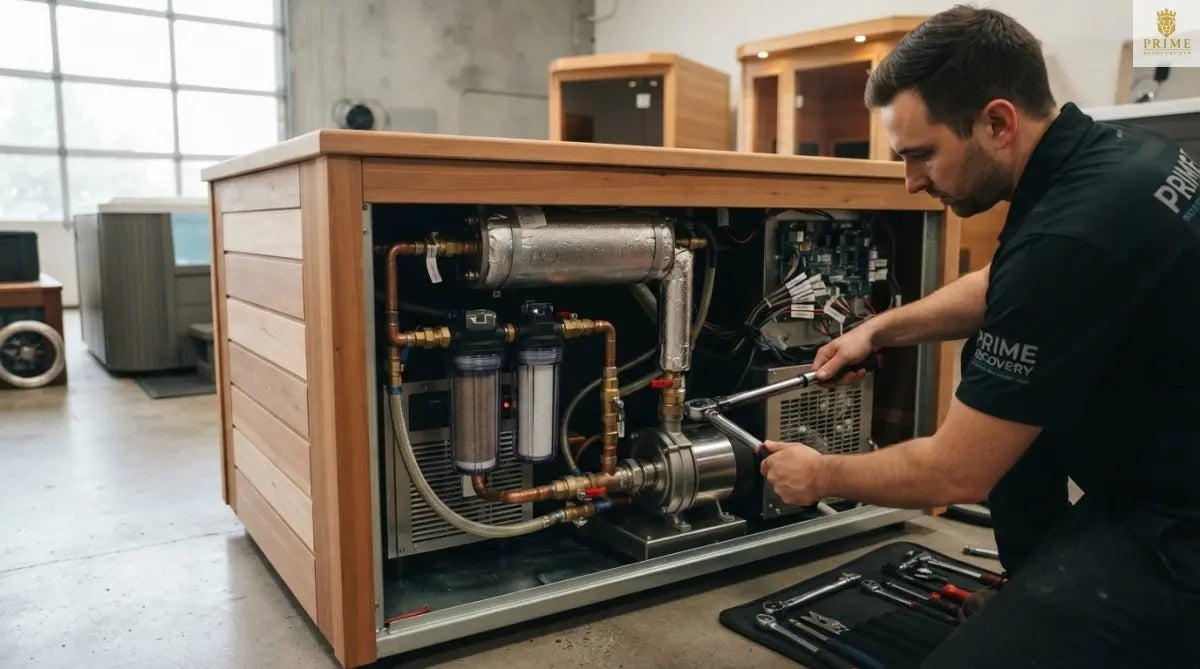
Professional-grade systems like Normatec 3 or Renu Therapy cold plunges make sense when you train intensely 5+ days per week, have chronic pain requiring consistent treatment, have dedicated space for daily use, or need measurable recovery acceleration within weeks.
A $799 compression system used 5 times per week over a year costs $3 per session. Per-session cost becomes negligible with actual use. Professional systems require occasional repairs and filter replacements, but portable tools like percussion massagers have minimal maintenance costs.
Building a Multi-Modal Recovery Setup on Your Budget
Most athletes see better results from a layered approach than from a single premium tool. Consider this progression:
Phase 1 ($500-800): Start with a cold plunge alternative (Ice Barrel or simple ice bath) plus a percussion massager. These address acute inflammation and muscle tension with minimal space and maintenance.
Phase 2 ($1,500-2,000): Add red light therapy panels or a sauna blanket based on your primary recovery goal. Red light therapy wins for chronic pain or tissue repair. The sauna blanket is more versatile for relaxation and detoxification.
Phase 3 ($2,500+): Upgrade to a compression therapy system or professional-grade cold plunge if your training volume justifies it. By this point, you understand which modalities deliver the best results for your physiology.
This approach spreads cost over time, lets you test which tools fit your routine, and avoids investing $5,000 in equipment that gets used twice a month.
Which Sauna Alternative for Recovery Fits Your Recovery Goals
The best recovery tool depends entirely on what you're trying to achieve and when.
For Post-Workout Muscle Soreness
Muscle soreness peaks 24-48 hours after training (DOMS). Cold immersion and percussion massage work best in this window. Cold plunging in the first 2 hours post-training reduces inflammation before it peaks. Percussion massage 6-24 hours later addresses muscle tension accompanying soreness.
A practical protocol: 3-5 minute cold plunge immediately post-workout, then percussion massage the following day.
For Injury Rehabilitation and Chronic Pain
Chronic pain and injury recovery require weeks of consistent treatment. Red light therapy and PEMF therapy excel here because they work at the cellular level to accelerate tissue repair over extended timelines.
A typical protocol for chronic shoulder issues: 15-20 minutes of red light therapy 4-5 times per week, combined with PEMF therapy 2-3 times per week.
For Space-Constrained Homes
If you're managing recovery in an apartment or small home, portable tools are non-negotiable. The sauna blanket, percussion massager, and PEMF devices all fit in a closet. Cold plunging is possible with an Ice Barrel. Red light therapy panels can be wall-mounted or stored easily.
A complete recovery toolkit for a small space: sauna blanket ($699), Ice Barrel ($300-400), Hooga red light panel ($300-400), percussion massager ($200-300), and PEMF mat ($400-600). Total investment: roughly $2,000-2,300, with every tool fitting in a closet or under a bed.
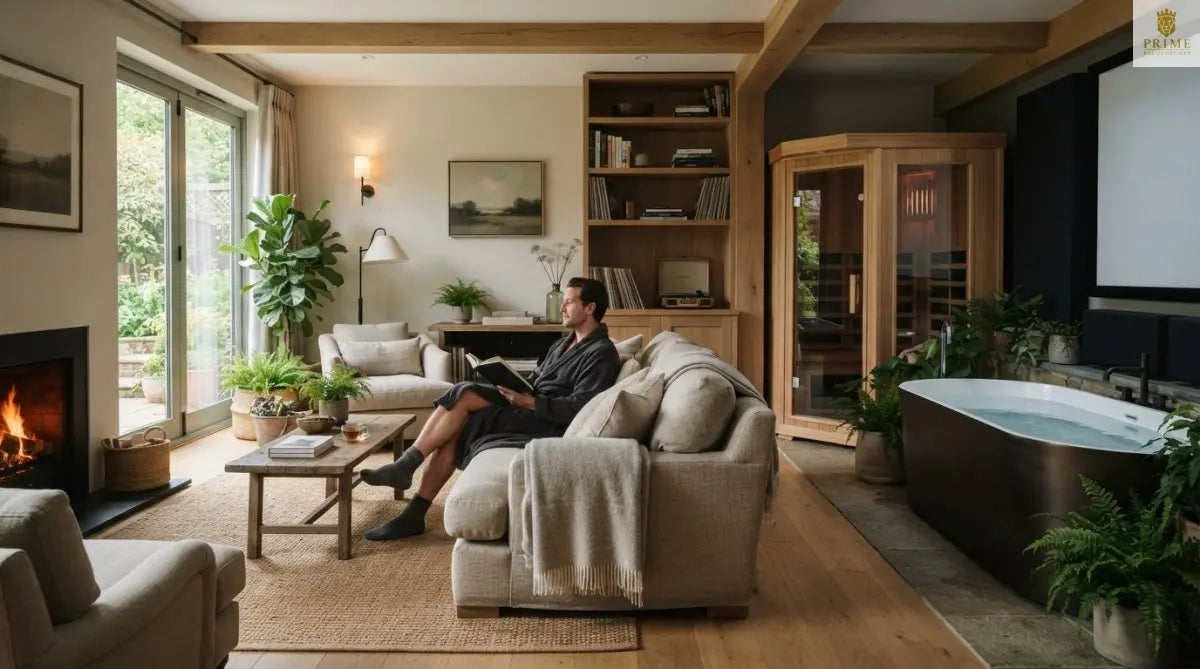
Building an intentional recovery space doesn't require a $5,000 sauna. Prime Recovery Den helps athletes and wellness enthusiasts curate multi-modal recovery setups that deliver measurable results without consuming your entire home or budget. Our collection includes everything from professional-grade cold plunges and compression systems to portable sauna blankets and red light therapy panels, each selected for craftsmanship, durability, and real-world effectiveness. Whether you're managing post-workout soreness, chronic pain, or injury rehabilitation, we can help you identify which tools fit your specific recovery goals and space constraints. Explore our recovery collection and build the setup that transforms your home into a genuine sanctuary for healing.
Frequently Asked Questions
What are the best sauna alternatives for recovery if I have limited space?
For compact homes, consider portable options like the HigherDOSE Infrared Sauna Blanket ($699), Hooga red light therapy panels (starting at $149), or the Theragun PRO Plus percussion massager. These sauna alternatives for recovery require minimal floor space while delivering therapeutic benefits. Ice Barrel and LUMEBOX 2.0 are also space-efficient cold plunge and light therapy options. Each provides meaningful recovery without requiring dedicated room installation.
How does cold plunge for muscle recovery compare to infrared sauna therapy?
Cold plunges excel at reducing acute inflammation and soreness through vasoconstriction and parasympathetic activation, while infrared saunas promote vasodilation and detoxification through heat. Cold immersion (50-59°F for 5-10 minutes) works best immediately post-workout; infrared therapy suits recovery hours later. Many athletes use both, cold first, then heat, for contrast therapy benefits. Renu Therapy and Ice Barrel offer cold options; HigherDOSE provides sauna blanket heat therapy.
What's the cost difference between sauna alternatives for recovery?
Affordable alternatives start under $200: Theragun PRO Plus and basic red light panels (Hooga, $149+). Mid-range options ($700-$800) include sauna blankets and Ice Barrel. Premium systems like Normatec 3 ($799+) and Renu Therapy cold plunges require contact for pricing. Game Ready rental options are available. DIY approaches, combining affordable tools, often cost less than a single premium system while delivering multi-modal recovery benefits.
Can red light therapy for recovery replace a full sauna setup?
Red light therapy supports cellular recovery through ATP production at 660nm and 850nm wavelengths, addressing muscle soreness and healing. However, it lacks the cardiovascular and detoxification benefits of heat therapy. Hooga panels and LUMEBOX 2.0 work best as part of a layered recovery routine, not as sole replacements. Combining red light with cold plunge, compression, or sauna blanket creates a comprehensive wellness routine addressing multiple recovery pathways.
Are compression therapy benefits worth the investment compared to affordable recovery tools?
Compression therapy (Normatec 3, Game Ready) accelerates circulation and reduces swelling through dynamic air compression, proven effective for athletes. However, affordable alternatives like percussion massage (Theragun, $300+) and red light therapy ($149+) address similar recovery goals at lower cost. Compression excels for serious athletes; affordable tools suit general wellness. Consider your recovery intensity: casual fitness benefits from budget tools; competitive athletes often justify professional-grade systems.

Leave a comment
This site is protected by hCaptcha and the hCaptcha Privacy Policy and Terms of Service apply.