

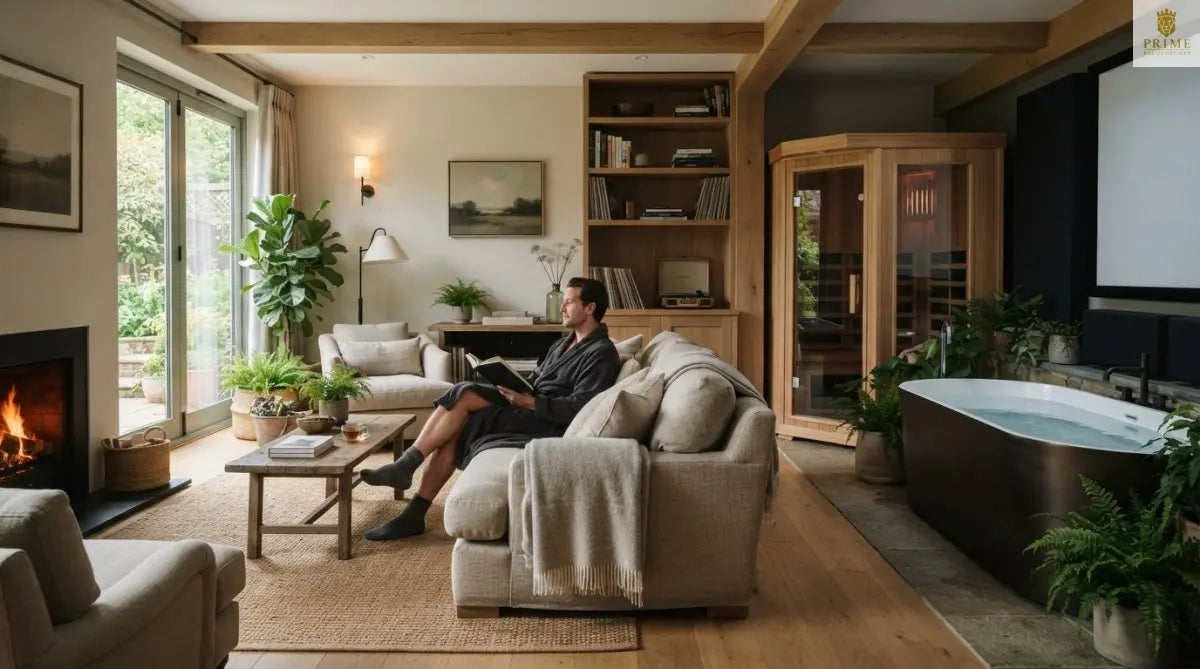
How to Build a Sophisticated Home Sanctuary
Table of Contents
- Understanding the Psychology of Your Sanctuary Space
- How to Build a Sophisticated Home Sanctuary: The Foundation
- Creating Mindful Home Design Through Intentional Lighting
- Calming Interior Design Ideas for Your Quiet Space
- Sensory Home Design: Engaging All Your Senses
- Building a Stress-Free Living Space on Any Budget
- Small-Space Solutions: Sanctuary Design for Apartments
- Digital Detox Integration in Your Sacred Space
Last Updated: July 28, 2026
Creating a sophisticated home sanctuary requires intentional design choices that balance aesthetics with genuine wellness. At Prime Recovery Den, we understand that a true sanctuary isn't just about beautiful furnishings, it's about crafting an environment that restores both body and mind through thoughtful spatial design, sensory engagement, and purposeful curation. Below, we'll show you exactly how to transform your personal space into a refined retreat that honors both sophistication and serenity.
Understanding the Psychology of Your Sanctuary Space
Your physical environment shapes your mental state far more than most people realize. Research from environmental psychology shows that thoughtfully designed spaces can measurably reduce cortisol levels and improve emotional regulation. A sanctuary functions differently than other rooms in your home, it's designed for decompression, not productivity or entertainment. Every element, from wall color to furniture placement, should support relaxation and mindfulness.
How to Build a Sophisticated Home Sanctuary: The Foundation
Building a sophisticated home sanctuary starts with three foundational steps: decluttering, establishing a color palette, and introducing natural elements. These work together to create an environment that feels intentional rather than accidental.
Step 1: Declutter and Organize Your Space
Before adding anything new, remove what doesn't belong. Clutter creates visual chaos that keeps your nervous system in a low-level state of alert. Identify items that don't serve your sanctuary's purpose, things you're keeping "just in case," gifts you don't love, or anything carrying negative associations. Organize what remains with intention, using closed storage for functional items and open shelving only for objects you genuinely want to see regularly.

Step 2: Establish Your Color Palette
Color profoundly affects mood and perception of space. A sophisticated sanctuary relies on a limited, cohesive color palette rather than multiple competing hues. Start with a neutral base, whites, soft grays, warm beiges, or muted earth tones, that allows your mind to rest. Add depth through secondary colors drawn from nature: soft greens, warm browns, muted blues, or gentle taupe. Limit yourself to two or three secondary colors maximum, and use accent colors sparingly.
Step 3: Introduce Biophilic Design Elements
Biophilic design, incorporating natural elements into interior spaces, is one of the most powerful tools for creating a restorative environment. Your nervous system responds positively to natural patterns, materials, and living things. Bring in plants strategically, choosing varieties that thrive in your light conditions. Incorporate natural materials: wood, stone, natural fiber textiles, and clay. Add water elements if possible, a small fountain, aquarium, or even images of water can activate the calming response water creates.
Creating Mindful Home Design Through Intentional Lighting
Lighting determines whether your sanctuary feels restorative or draining. Eliminate overhead lighting as your primary source and use multiple soft light sources positioned at different heights. Choose warm color temperatures, 2700K or lower, which mimic natural sunset light and signal your body to produce melatonin. Consider dimmers on all light sources to adjust brightness based on your needs and time of day. Position your sanctuary where you can access natural daylight without glare, using sheer curtains to filter harsh direct sunlight.
Calming Interior Design Ideas for Your Quiet Space
A quiet space within your sanctuary serves as your deepest refuge. This might be a reading nook, meditation corner, or simply a specific chair where you retreat when you need complete calm.
Textural Layering and Soft Furnishings
Texture creates sensory richness that engages your sense of touch. Layer different textures intentionally: soft fabrics, natural wood, smooth stone, and organic fibers. Natural fiber rugs feel better underfoot than synthetic alternatives. Linen and cotton textiles age beautifully and feel increasingly soft with use. Build a comfortable seating arrangement using layered textures, a quality chair with natural upholstery becomes more inviting when paired with a soft throw blanket and complementary cushions.
Creating a Dedicated Quiet Zone
Designate one specific area as your primary quiet space. Use spatial design to separate this zone from the rest of the room, a low bookshelf, screen, or change in flooring can create psychological separation without requiring walls. Position your quiet zone away from windows facing busy streets or neighbors' homes. Furnish this space with one primary seating option that supports your body comfortably, avoiding the temptation to add multiple seating options.
Sensory Home Design: Engaging All Your Senses
A sophisticated sanctuary engages multiple senses simultaneously, creating a fully immersive restorative experience.
Scent and Sound for Emotional Warmth
Scent directly affects emotional state. Choose subtle scents that feel genuinely comforting rather than trendy, essential oil diffusers, natural candles, or fresh plants like lavender work well. Avoid synthetic fragrances containing phthalates.
Gentle background sound can increase calm by masking unpredictable environmental noise. Options include nature sounds, ambient music, white noise, or binaural beats designed to promote relaxation. Start with very low volume, the sound should be barely noticeable, creating a subtle sonic environment.
Building a Stress-Free Living Space on Any Budget
A sophisticated sanctuary doesn't require expensive purchases. The most important elements, decluttering, intentional color choices, natural light optimization, and sensory design, cost little to nothing. Start with what you already own: rearrange furniture, move plants to more visible locations, and swap harsh overhead bulbs for warm-toned alternatives.
When you do invest, prioritize comfort and quality over quantity. A single high-quality chair serves your sanctuary better than multiple cheap alternatives. Consider secondhand and vintage pieces, which often have more character and craftsmanship than new mass-produced items. Focus your budget on elements you interact with most: seating, lighting, and textiles.
Small-Space Solutions: Sanctuary Design for Apartments
Limited square footage doesn't prevent you from building a sophisticated sanctuary. Use vertical space to create visual interest without consuming floor space. Choose multipurpose furniture that serves both function and aesthetics. Lighting becomes even more critical in apartments where natural light might be limited, layer multiple soft light sources to create ambiance.
Define your sanctuary zone within a larger space using furniture arrangement and subtle visual boundaries. A reading chair positioned in a corner with a small side table and focused lighting becomes a complete sanctuary within a studio apartment. Stick to your color palette rigorously and choose furnishings with clean lines rather than ornate details.
Digital Detox Integration in Your Sacred Space
A true sanctuary requires freedom from digital distraction. Designate your sanctuary as a phone-free zone by keeping your phone in another room. Remove any screens from your quiet space, or position seating so you face away from them. Create an intentional transition ritual as you enter your sanctuary, removing your watch, closing your eyes, or taking three deep breaths signals to your nervous system that you're shifting into restoration mode.
| Element | Impact | Timeline |
|---|---|---|
| Decluttering | Reduces visual noise and cognitive load | 1-2 weeks |
| Color palette | Establishes emotional foundation | Immediate |
| Natural elements | Activates calming nervous system response | Immediate |
| Intentional lighting | Enables mood adjustment and circadian support | 1-3 days |
| Soft furnishings | Provides physical comfort and sensory richness | 1-2 weeks |
| Scent and sound | Creates immersive sensory experience | Immediate |
| Digital boundaries | Removes distraction and enables deep restoration | Immediate |
Building a sophisticated home sanctuary addresses a challenge many people face: finding genuine calm in a world designed for constant stimulation. Prime Recovery Den recognizes that true restoration requires spaces designed for your nervous system's actual needs. Our collection of premium seating, thoughtfully designed lighting options, and high-quality furnishings makes it easier to create the physical comfort your sanctuary demands. Start with one element from this guide, then build intentionally. Research on environmental psychology and stress reduction confirms that intentional space design delivers measurable benefits. Explore Prime Recovery Den's curated selection and discover how quality furnishings transform your sanctuary from concept to lived experience. SHOP ALL.
Frequently Asked Questions
What makes a home feel like a sophisticated sanctuary?
A sophisticated home sanctuary combines intentional design with functional wellness elements. It balances aesthetic appeal with purposeful organization, incorporates natural elements and soft lighting, and creates dedicated spaces for relaxation. The psychology of your space matters, thoughtful color choices, decluttered environments, and layered textures all contribute to emotional warmth and serenity. Personal style and sensory details like scent and sound elevate the experience from merely decorated to genuinely restorative.
How do I create a calming interior design in a small apartment?
Small spaces benefit from vertical organization, multipurpose furniture, and strategic use of light. Choose a cohesive color palette of soft, neutral tones to avoid visual overwhelm. Incorporate biophilic elements like a single large plant or natural wood pieces. Use mirrors to amplify natural light and create a sense of openness. Textural layering with soft furnishings adds comfort without clutter. Focus on quality over quantity, fewer, intentional pieces create a more serene atmosphere than numerous decorative items.
What role does sensory home design play in building a sanctuary?
Sensory home design engages multiple senses to deepen the restorative experience. Soft ambient lighting reduces stress and supports natural rhythms. Layered textures, plush throws, natural fibers, smooth wood, invite tactile comfort. Scent through candles or diffusers triggers emotional responses and creates memory anchors. Gentle sound elements like water features or soft music establish peaceful rhythms. Together, these sensory layers create an immersive environment that feels intentional and nurturing, not just visually appealing.
Can I build a stress-free sanctuary on a limited budget?
Absolutely. Budget-friendly sanctuary building prioritizes strategic investments over expensive overhauls. Start by decluttering and organizing what you already own, this costs nothing but yields significant emotional benefits. Focus on high-impact, low-cost changes: rearrange furniture, add plants from local nurseries, use natural light, and invest in one quality soft furnishing item. DIY solutions like painting an accent wall, creating a gallery of personal photos, or making your own scent diffusers deliver meaningful results. Intentional living matters more than price tags.


Leave a comment
This site is protected by hCaptcha and the hCaptcha Privacy Policy and Terms of Service apply.