

Best Meditation Space Setup Ideas for Home in 2026
Table of Contents
- Why Your Meditation Space Setup Matters More Than You Think
- Quick Comparison: Meditation Space Setup Styles
- Meditation Room Essentials: The Foundation of Your Sanctuary
- Idea #1: The Minimalist Zen Corner for Small Spaces
- Idea #2: The Luxury Home Wellness Center with Integrated Lighting
- Idea #3: The Sensory-Rich Retreat for Deep Relaxation
- Small Space Meditation Corner Ideas That Actually Work
- Final Thoughts on Your Meditation Space Setup
- Frequently Asked Questions
Last Updated: September 6, 2026
Why Your Meditation Space Setup Matters More Than You Think
A dedicated meditation space setup signals to your nervous system that it is time to slow down, often making the difference between a sporadic habit and a daily ritual.
The best meditation space setup ideas for home in 2026 go far beyond placing a cushion on the floor. They integrate environmental psychology, where lighting, texture, and sound directly influence your ability to reach calm.
Below, we walk you through the essential components of a functional sanctuary, three design philosophies, and practical solutions for small spaces.
Quick Comparison: Meditation Space Setup Styles
Choosing the right aesthetic is a personal decision, but understanding the trade-offs helps you commit to a direction. Each style below prioritizes different outcomes, from strict minimalism to full sensory immersion.
| Style | Core Focus | Best For | Key Elements |
|---|---|---|---|
| Minimalist Zen Corner | Decluttering & focus | Small spaces, beginners | Floor seating, natural light, empty space |
| Luxury Wellness Center | Integrated technology & comfort | Dedicated rooms, high budgets | Chromotherapy lighting, ergonomic seating, sound systems |
| Sensory-Rich Retreat | Deep relaxation & atmosphere | Experienced practitioners | Textural elements, essential oils, ambient soundscapes |
The minimalist approach excels at removing distraction, while a luxury setup uses technology to deepen practice. A sensory-rich retreat engages all five senses. Consider what you are escaping: visual noise points to minimalism, physical tension points to a wellness center approach.
Meditation Room Essentials: The Foundation of Your Sanctuary
Before choosing a style, you need the core components that make any meditation space functional. Beyond a cushion and candle, an effective sanctuary addresses two overlooked pillars: acoustic control and ergonomic support.
The Acoustic Environment: Engineering for Silence
Urban and suburban homes are rarely silent. The hum of a refrigerator, traffic rumble, or a neighbor's television keeps your mind from settling. You do not need a recording studio, but you should manage the soundscape.
- Absorption over blocking: Hard surfaces (drywall, hardwood floors, windows) reflect sound. Soft surfaces absorb it. The most effective acoustic treatment is also the most aesthetic: add a thick, woven rug (at least 5x7 feet) under your seating area, and hang heavy, floor-length curtains over any windows. These materials physically dampen high-frequency noise and reduce echo.
- Masking with intention: When you cannot eliminate a noise, you can mask it with a consistent, neutral sound. A high-quality white noise machine (like the LectroFan, which offers fan and white noise variations) is a common tool. Alternatively, a small tabletop water fountain creates a gentle, natural soundscape that many find more soothing than artificial noise.
- The low-frequency problem: Bass sounds travel through walls and are difficult to absorb. If this is an issue, consider noise-canceling headphones for your sessions, a practical, budget-friendly solution that creates a private acoustic bubble.
Ergonomics: Supporting the Body for Stillness
The goal of a meditation posture is to be alert yet relaxed. If your hips are lower than your knees, your pelvis tilts back, rounding your spine. If your knees are higher than your hips, you will lean forward and fatigue quickly. The solution: your hips must be elevated.
- The Cushion Stack: A single flat cushion is rarely enough. A traditional setup uses a zafu (a round, firm cushion) placed on top of a zabuton (a larger, square mat). The zafu elevates your hips 4 to 6 inches off the floor, allowing your knees to fall below your hip line. The zabuton cushions your ankles and knees, preventing pressure points that cut sessions short.
- The Bench Alternative: If sitting cross-legged is uncomfortable due to tight hips or knee issues, a meditation bench (like the Seiza bench) is a superior choice. It allows you to kneel with the bench supporting your weight, taking pressure off your ankles. This is a stable, ergonomic option for long-duration practice.
- Wall Support: If you have a sore back, sitting against a wall is not a failure. Place a firm cushion at the base of the wall for your lower back and sit with your legs extended or in a comfortable cross-legged position. This external support allows your spine to decompress and your shoulders to relax, letting you focus on your breath rather than your aching muscles.
The Focal Point and Lighting
Once your body is comfortable and sound is managed, address the eyes. An intentional focal point, a candle flame, a stone, or art, gives your gaze a place to rest. Avoid harsh overheads; a dimmable, warm-toned lamp (2700K or lower) mimics the golden hour. This combination of physical comfort and sensory calm makes you feel supported and safe.
Idea #1: The Minimalist Zen Corner for Small Spaces
The first and most accessible idea is the minimalist zen corner, proving you do not need a spare room. The core principle is subtraction, removing visual clutter to create mental quietude. Start with floor seating: a zabuton for your knees and a zafu cushion to elevate your hips.
Keep the palette neutral and natural. Use wood tones, stone, and organic cotton in muted colors to evoke a sense of grounding and connection to nature. The only decorative element should be a single plant or a simple ikebana flower arrangement to bring life into the space without introducing chaos.
This works best in a quiet corner of a bedroom or reading nook. Define the space visually with a lightweight room divider or distinct area rug, so this patch of floor feels different even in a busy home.
Idea #2: The Luxury Home Wellness Center with Integrated Lighting
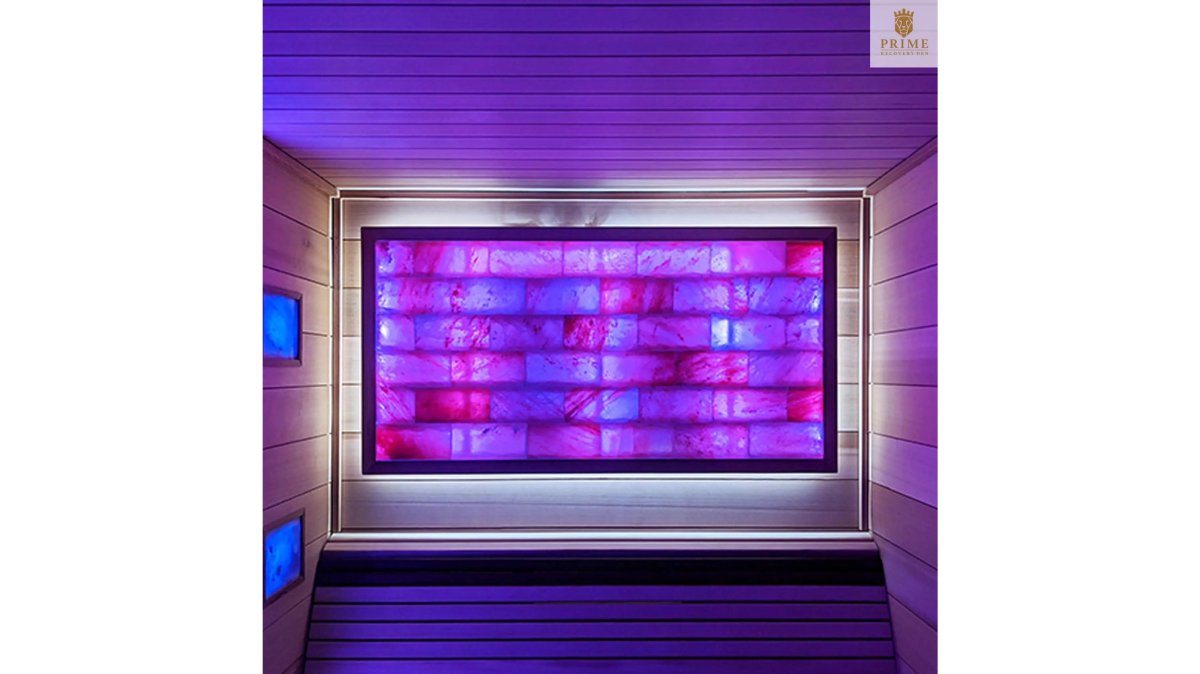
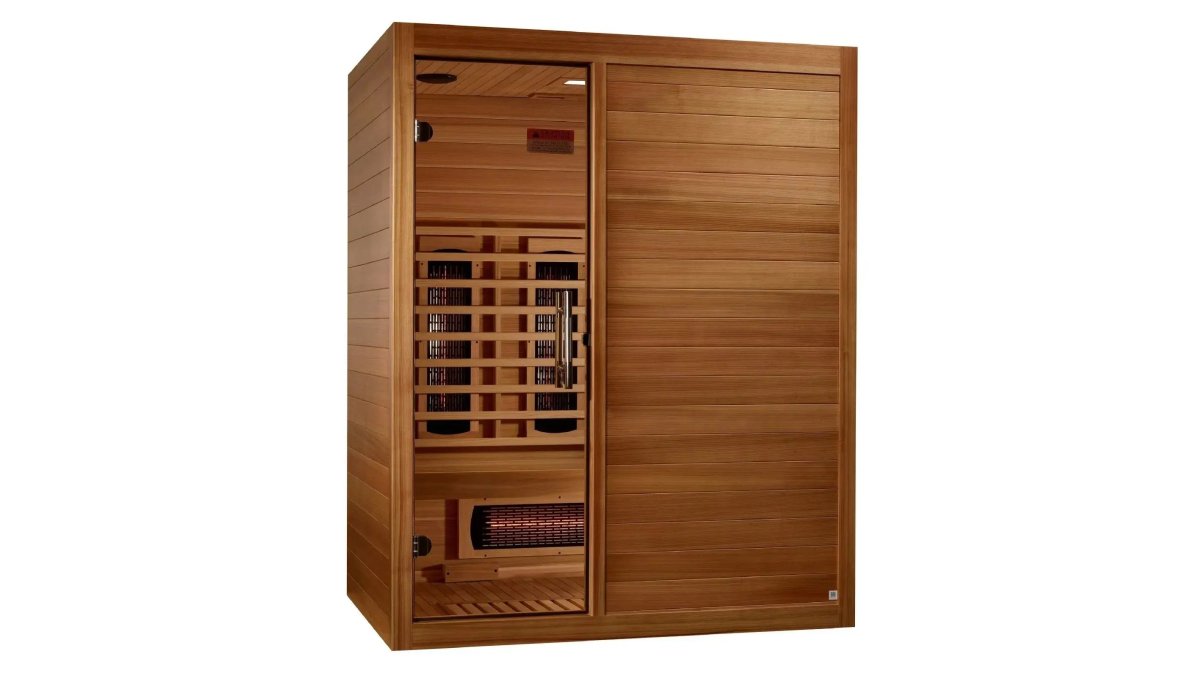
For those with a dedicated room and larger budget, the luxury home wellness center elevates the setup into a multi-sensory experience. The centerpiece is often a heat source, such as a sauna, paired with chromotherapy lighting.
The Thermora Pandora 2-Person Indoor Infrared Sauna is a prime example of how to anchor this type of space. It combines full-spectrum infrared heat with Himalayan salt panels and red light therapy, creating a profound sense of physical release before you even sit down to meditate.


To complete this sanctuary, add a Himalayan salt wall kit for a soft, amber glow that mimics candlelight without the fire hazard. This setup envelops you in warmth and quiet luxury, turning daily recovery into an event you look forward to.
Idea #3: The Sensory-Rich Retreat for Deep Relaxation
The third idea abandons strict minimalism for a sensory-rich retreat that immerses you in the present moment. For many, stillness requires engaging the senses first to quiet the analytical mind.
Scent plays an equally important role. Introduce an essential oil diffuser with calming blends like lavender or sandalwood. A monumental piece, like one of the large hand-carved Himalayan salt lamps, can serve as both a visual anchor and a functional element, providing a warm focal glow that feels almost alive.
Layer plush rugs, woven throws, and heavy curtains to absorb sound and create a cave-like sense of security. The goal is a space that feels like a warm embrace, the ultimate sanctuary for those who need to downshift from a high-stress lifestyle.
Small Space Meditation Corner Ideas That Actually Work
Not everyone has a spare room, and the best meditation space setup ideas for home often fit into a closet or living room corner. The biggest challenge is creating a sense of separation from surrounding chaos.
The 5-Step, Under-$50 Corner Setup
You do not need a designer budget to create a functional corner. This setup uses common household items and a few low-cost purchases.
- Define the Zone (Cost: $0-$20): A distinct area rug is the single most important element. It visually carves out your space from the rest of the room. If you do not have a rug, a large, flat-weave blanket folded on the floor works just as well. This physical boundary signals to your brain that this specific patch of floor is different.
- Create a Visual Anchor (Cost: $0-$15): You need something to look at. A simple candle on a small plate, a smooth stone, or a small plant on a stack of books is sufficient. The key is that it is the only object in your eye line. Place it at eye level when you are seated.
- Manage the Sound (Cost: $0-$30): A free white noise app on your phone is a great start. For a more consistent, non-digital sound, a small tabletop fountain can be purchased for under $30. This masks household noise and adds a calming auditory element.
- Seating (Cost: $0-$40): If you do not own a zafu, grab a firm, thick couch cushion or fold a few bath towels into a square. The goal is to elevate your hips 3-4 inches. If you have a chair, you can sit on the edge of it with your feet flat on the floor, this is a perfectly valid meditation posture.
- The Lighting Hack (Cost: $0-$15): Do not use the harsh overhead light. String a set of warm-white fairy lights along the wall or drape a scarf over a small desk lamp to diffuse the light. The goal is a soft, warm glow that feels separate from the rest of the room.
The 'Closet Sanctuary' for Maximum Separation
If your space is truly limited, a repurposed closet is the ultimate solution, a room-within-a-room that can be physically closed off.
- The Setup: Remove the doors (or keep them if you prefer total darkness). Install a simple shelf at seated height to act as your altar. Place a thick rug or a stack of floor cushions on the floor. Use the hanging rod to hold a piece of calming art or a plant.
- The Advantage: The walls of the closet provide natural acoustic dampening and visual isolation. When you close the door, you are literally closing off the outside world, a powerful psychological cue for deep relaxation. A small, wall-mounted salt lamp provides a warm focal point without taking up floor space.
The 'Multi-Purpose' Corner: A Strategy for Shared Spaces
In a living room or bedroom, your meditation corner will likely share space with other activities. Make the setup and takedown process part of the ritual.
- The Rolling Cart: A small, two-tier utility cart can hold your cushion, a candle, and a timer. When it is time to meditate, you roll it out, place your cushion in front of it, and you have an instant altar. When you are done, you roll it back into a closet. This keeps the space clutter-free and makes the act of setting up a mindful transition.
- The Fold-Away Bench: A folding meditation stool (like a wooden Seiza bench) folds flat and can be stored under a sofa or behind a door. It requires only a two-foot square of space to use. This is the most practical solution for a studio apartment where floor space is at a premium.
Final Thoughts on Your Meditation Space Setup
Creating the best meditation space setup ideas for home is a personal journey blending aesthetics with function. Whether you choose a minimalist corner for clarity or a luxury wellness center for deep physical release, the goal is an intentional space that supports your recovery, making you feel calm, centered, and eager to return daily.
At Prime Recovery Den, we understand that true restoration requires an environment that honors your commitment to wellness. Our curated collection of infrared saunas, chromotherapy lighting, and monumental salt lamps transforms your home into a sanctuary of peace. Imagine stepping into a warm, glowing room at the end of a long day and feeling the tension melt away before you even begin.
Investing in your environment is an investment in your peace of mind. By adding elements like a Prosaunas Himalayan Salt Sauna Light Kit or a hand-carved salt lamp, you are building a daily ritual that will make you feel grounded, healthy, and deeply restored. Get started with Prime Recovery Den and create a space that truly feels like your own.

Frequently Asked Questions
What are the essential elements for a home meditation space?
The essential elements for a home meditation space include a comfortable floor seat, such as a zafu or zabuton, to support good posture. You'll also want dimmable ambient lighting, like a Himalayan salt lamp, to create a calming glow. To minimize distractions, choose a quiet corner and add a simple decor piece, like a plant or a singing bowl, to ground the space. The goal is to create a dedicated area that signals to your brain it's time to unwind.
How do I create a meditation corner in a small room?
Creating a small space meditation corner is about simplicity. Start with a corner that offers visual privacy. Use a comfortable floor cushion and a small side table for a candle or essential oil diffuser. Mount a shelf at eye level for a plant or a meaningful object. To define the space, use a soft rug or a room divider. The key is to keep it clutter-free to promote a sense of calm.
What colors and lighting are best for a meditation room?
For a meditation room, choose calming, neutral colors like soft greens, warm beiges, or muted blues. These tones promote quietude and relaxation. For lighting, you should prioritize warm, dimmable ambient lighting over harsh overheads. Himalayan salt lamps are an excellent choice because they emit a soft, amber glow that mimics candlelight and helps create a serene sanctuary.
How can I make my meditation space feel more luxurious?
To make a meditation space feel more luxurious, focus on high-quality materials and intentional details. Invest in a premium meditation cushion and a soft, textured throw. Incorporate natural elements like a wood bench or a stone water fountain. Instead of standard lighting, consider a statement piece like a hand-carved Himalayan salt lamp for a warm, spa-like glow that adds a sense of grandeur and tranquility.
What is the best way to incorporate sound into my meditation space setup?
The best way to incorporate sound is to layer it. Start with a physical sound source, like a singing bowl or chimes, to anchor your practice. For background ambience, use a small, high-quality speaker to play nature sounds or white noise. To minimize external distractions, consider adding soft furnishings like rugs and cushions, which naturally absorb echo and support a quieter environment.

Leave a comment
This site is protected by hCaptcha and the hCaptcha Privacy Policy and Terms of Service apply.