


9 Benefits of Contrast Therapy in Cold Climates
Last Updated: November 18, 2026
Quick Summary
Contrast therapy in cold climates alternates short exposures to heat, usually a sauna, and cold, usually a plunge, to support muscle recovery, ease stiffness and sharpen alertness. In winter the heat phase loosens a body already working to stay warm, while the cold phase needs extra care. Benefits are real but mostly short-term, so treat them as a comfort effect.
- Alternate about 10 to 15 minutes of sauna heat with 1 to 3 minutes of cold, repeated for three to four rounds.
- Heat and cold cause vasodilation and vasoconstriction, which exercises the circulatory system.
- Evidence supports short-term soreness relief, but claims of immunity or fat burning are overstated.
- Cold air, wet skin and slippery floors raise the risks, so keep the plunge short and rewarm fully.
- Anyone with a heart condition, circulation problems or pregnancy should check with a clinician first.
Table of Contents
- What Contrast Therapy Is and How It Works
- Health Benefits of Contrast Therapy for Winter Athletes and Homeowners
- Contrast Therapy for Muscle Recovery After Training
- Hot Cold Contrast Therapy Protocol for Cold Weather
- Contrast Therapy Duration and Rounds That Fit a Winter Routine
- Contrast Therapy Safety in Cold Climates and Who Should Avoid It
- Building Your Winter Recovery Setup at Home
- Frequently Asked Questions
What Contrast Therapy Is and How It Works
Contrast therapy alternates short exposures to heat and cold, usually in a sauna and then a cold plunge, and it is one of the most popular recovery routines among people who train hard through the winter. In cold climates it fits naturally into the day: the body is already working to stay warm, so the swing between temperatures feels more pronounced and more purposeful. Prime Recovery Den offers cold plunges and saunas for home use, so you can run this kind of routine at home.
The idea is simple. Heat opens the blood vessels, and cold narrows them. Moving between the two is meant to train the circulatory system and give the body a structured way to handle temperature change. Many people describe the finish, cold and alert and then warm again, as one of the most energizing parts of the routine.
How Heat and Cold Change Blood Flow
Heat causes vasodilation, a widening of blood vessels that increases flow to the skin and muscles. Cold causes vasoconstriction, a narrowing that pulls blood toward the core. Repeating that cycle is the mechanism most often cited when people talk about circulation and recovery. Exactly how much this changes outcomes for any one person is still an open question, so treat the physiology as a reasonable explanation rather than a guarantee.
Health Benefits of Contrast Therapy for Winter Athletes and Homeowners
Most articles list the same benefits without telling you how strong the evidence is or why cold weather changes the picture. This section separates what is reasonably well supported from what is still uncertain, and it explains the cold-climate angle most guides skip: in winter, the body is already managing a thermal load, so the heat-to-cold swing is both more pronounced and more demanding.
What the evidence supports reasonably well
- Short-term perceived soreness relief. Alternating heat and cold is widely used after training, and many people report that sore muscles feel better for a few hours. Most studies are small and measure subjective soreness rather than long-term recovery, so treat this as a comfort effect rather than a proven performance boost.
- Temporary circulation changes. Heat causes vasodilation and cold causes vasoconstriction; the cycle is real physiology. Whether that cycle produces meaningful long-term vascular adaptation is not established, so the honest framing is that it exercises the circulatory system without promising a specific outcome.
- Range of motion and stiffness. Warmth before activity and a brief cold phase afterward is a common pattern for easing joint stiffness, especially on cold mornings when tissues feel tight. The effect appears short-lived.
- Mood and alertness. The disciplined transition from warm to cold is often described as energizing and focusing. Cold exposure reliably produces a sharp alerting response; the mood lift is real for many people but variable.
What is uncertain or overstated
Claims that contrast therapy boosts immunity, burns fat, or delivers long-term health benefits are not well supported by current evidence. Studies are typically small, short, and use different protocols, which makes it hard to generalize. If a marketing page promises a systemic transformation, that is a signal to lower expectations, not raise them.
Why cold climates change the benefit picture
In a cold climate, the heat phase does more work than it does in summer. Indoor heating dries the air and can leave skin and airways feeling parched, so the sauna phase becomes a genuine warming and loosening interval rather than a luxury.
Our iCoolsport MiPod Pro runs both hot and cold from one unit, so you can set a consistent temperature for each phase. Our iCoolsport MiPod Pro lets you set the water temperature for each phase, so you can hold steady conditions and approach each session with confidence rather than guesswork.
Watch out: if you are using the routine to push through persistent pain, swelling, or a joint that is getting worse, that is a signal to see a clinician rather than add rounds.
Contrast Therapy for Muscle Recovery After Training
Athletes often reach for contrast therapy after hard sessions, when legs feel heavy and the body needs a break. The heat phase is commonly used to loosen tissue, and the cold phase to settle things down afterward. Some people finish with cold to dampen the feeling of soreness the next morning.
Use the routine as one part of recovery, alongside sleep, nutrition and a sensible training load. It is not a substitute for those basics, and it will not fix an overtrained body on its own.
Hot Cold Contrast Therapy Protocol for Cold Weather
A common home protocol uses a sauna for 10 to 15 minutes, then a cold plunge for 1 to 3 minutes, repeated for a few rounds. Start conservatively, especially if the cold is new to you. Cold weather adds a layer of caution: the room around the plunge may already be frigid, so keep the transition short and warm up thoroughly afterward. Watch how you feel rather than chasing a number.
Our iCoolsport MiPod Pro, which runs both hot and cold from one unit, lets you set the temperature for each phase, so the routine stays consistent from session to session. The Kohler Remedy Place plunge switches between cold and heat with app control.
Contrast Therapy Duration and Rounds That Fit a Winter Routine
Most people settle into three to four rounds, with a sauna phase of roughly 10 to 15 minutes and a cold phase of 1 to 3 minutes. Shorter sessions can be easier to keep up on busy weeknights. Longer cold exposures are not automatically better, and the right length depends on your experience and how your body responds.
Contrast Therapy Safety in Cold Climates and Who Should Avoid It
Cold climates raise the stakes in ways general guides rarely address. The plunge itself is only part of the risk: the air around the tub, the floor you step onto, and how quickly you rewarm afterward all matter. This section covers the cold-specific hazards, how to acclimatize gradually, and who should talk to a clinician first.
Cold-specific risks to plan for
- Cold shock. Sudden immersion in cold water triggers a gasping reflex and a rapid rise in heart rate and blood pressure. In frigid air, the shock is compounded. Enter slowly, keep your head above water, and control your breathing before you settle in.
- Hypothermia. The risk rises when cold water exposure is combined with cold air and wet skin. Keep sessions short, especially in winter, and do not stack a long cold phase on top of already being chilled from outdoor activity.
- Frostbite risk. Wet skin in freezing air, metal surfaces, and prolonged exposure of fingers and toes are the common pathways. Dry off completely and dress in layers immediately after the cold phase.
- Slips and falls. Wet floors plus cold-weather clothing and numb feet are a real combination. Keep the floor dry, use a mat, and never rush the step in or out.
Acclimatize gradually
A common pattern is to start with shorter cold phases, warmer cold-water temperatures, and fewer rounds, then extend over several weeks as your response settles. Begin in the warmer part of the day rather than first thing on a freezing morning, and treat windy days as a reason to shorten the cold phase rather than push through. Rewarm actively: dry off, add layers, and let your body come back to normal before you go back outside.
Watch out: never plunge alone in a cold climate, and get out immediately if you feel dizzy, confused, numb, or unable to stop shivering.
Who should avoid contrast therapy or check first
Contrast therapy is not appropriate for everyone. Talk with a qualified healthcare provider before starting if you have a heart condition, uncontrolled high blood pressure, circulation problems, are pregnant, have impaired sensation (for example from diabetes or nerve damage), or are unsure about your health. The same applies if you take medication that affects blood pressure or temperature regulation. Medical decisions belong with your doctor.
Make the safe choice the easy choice
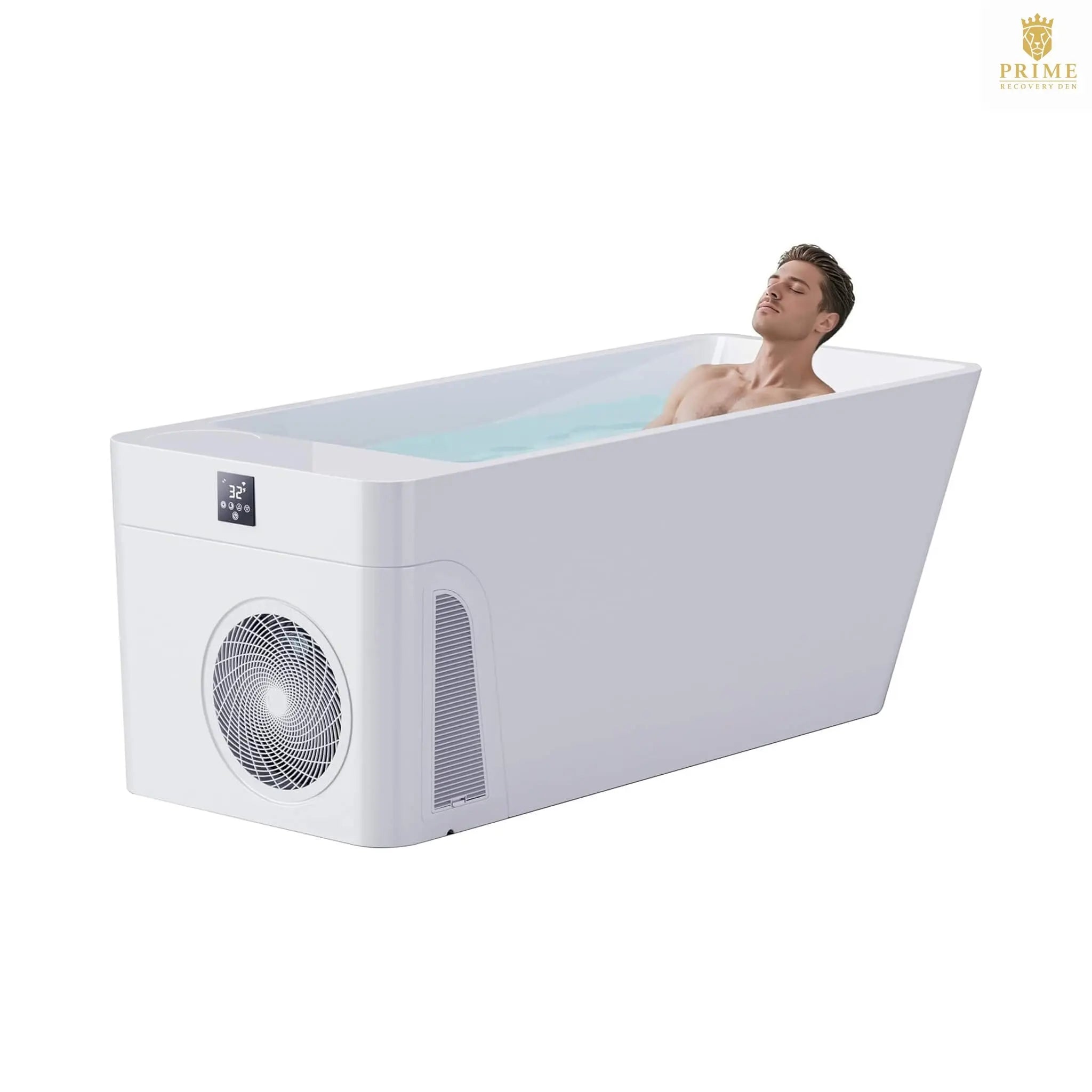
A home setup removes the winter commute to a facility and lets you control the environment around the plunge. The Kohler Remedy Place plunge switches between cold and heat with app control, so you can set your own water temperature. A smart freestanding cold plunge tub with built-in chiller and app control lets you set a consistent water temperature, which makes it easier to plan a shorter session when the air is bitter. Having the routine at home lets you control the temperature and set a conservative starting point, which can make it easier to stay in control as you build tolerance. If you are new to cold water, 7 steps to safely start cold water therapy at home lays out a careful starting point, and if you are weighing equipment, our guide on is a cold plunge chiller worth it for home recovery walks through that decision.
Building Your Winter Recovery Setup at Home
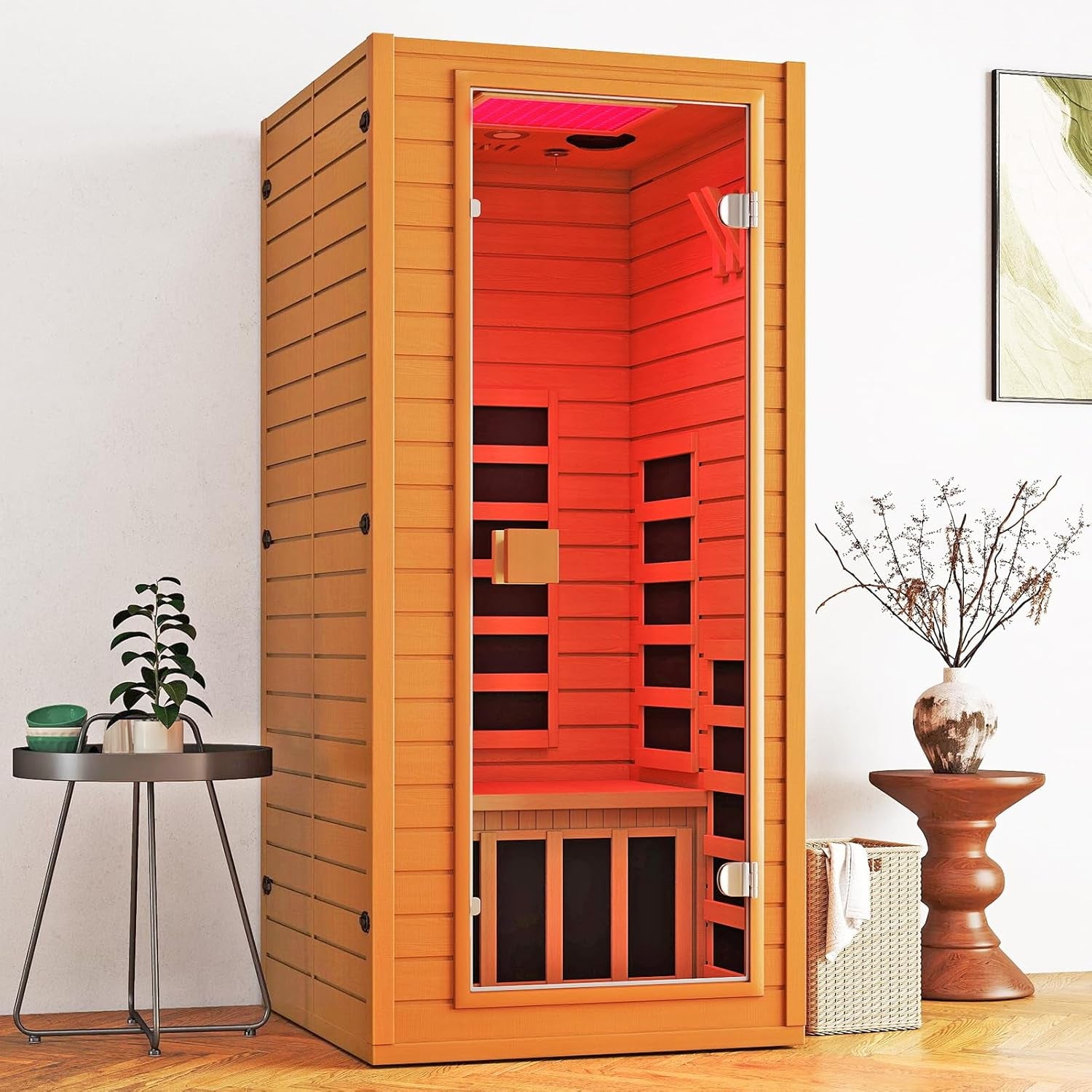
A complete home setup pairs a cold plunge with a heat source. You can browse our cold plunges to compare options for your space. For the heat half of the routine, an infrared sauna with full-spectrum red light and fast heat-up is one option for a home space.
Plan for the room as well as the equipment. Keep floors dry, leave space to step in and out safely, and make sure power and drainage are sorted before delivery day.
A complete home setup can help you feel more in control of your recovery, and the ritual itself can feel restorative after a long week. Start with the routine that fits your schedule, and you will find it easier to keep going all winter. Explore the full collection and build the space that works for you.
Frequently Asked Questions
What are the benefits of contrast therapy?
Contrast therapy alternates heat and cold exposure, which many people use to ease muscle soreness, support circulation and improve how stiff joints move. The heat phase encourages blood vessels to widen, while the cold phase narrows them, creating a pumping effect that some users find restorative. Evidence for these effects is mixed and often based on small studies, so treat the benefits as possible rather than guaranteed. Starting with short sessions and tracking how your body responds is a practical way to see whether the routine helps you.
Does contrast therapy work better in cold climates?
Cold climates do not change how contrast therapy works in the body, but they change how it fits into a routine. Indoor heat and a cold plunge at home let you practice year-round without relying on outdoor conditions. Cold weather also raises the risk of rewarming too quickly after a cold exposure, so the transition between heat and cold deserves more care. Many people in colder regions find that a stable indoor setup makes the routine easier to keep up through winter.
Who should avoid contrast therapy?
People with cardiovascular conditions, uncontrolled high blood pressure, circulation disorders, or certain heat or cold sensitivities should talk with a doctor before starting contrast therapy. Pregnant people and anyone recovering from injury or illness should also seek medical advice first. Because cold exposure can strain the heart, avoid cold plunges if you feel dizzy, short of breath or unwell during a session. A healthcare provider can help you decide whether the routine is appropriate for your situation.
How long should you stay in a sauna and cold plunge?
A common starting point is a few minutes in the heat followed by one to three minutes in cold water, repeated for a few rounds and always ending on cold. Beginners often do better with shorter exposures and gradually build tolerance over several weeks. Stop immediately if you feel lightheaded, numb or unwell. Keeping sessions within a comfortable range makes the routine easier to repeat through a cold season.



Leave a comment
This site is protected by hCaptcha and the hCaptcha Privacy Policy and Terms of Service apply.