

Benefits of Daily Cold Plunge Therapy: A 2026 Guide
Table of Contents
- What Is Cold Plunge Therapy and How It Works
- Muscle Recovery and Reduction of Delayed Onset Muscle Soreness (DOMS)
- Cold Plunge Duration for Beginners: Starting Your Practice Safely
- Best Practices for Home Cold Plunge Therapy Implementation
- Sleep Quality, Mental Resilience, and Mood Enhancement
- Immune Function and Circulation Benefits
- Safety Precautions and Contraindications
- Conclusion
Last Updated: August 20, 2026
What Is Cold Plunge Therapy and How It Works
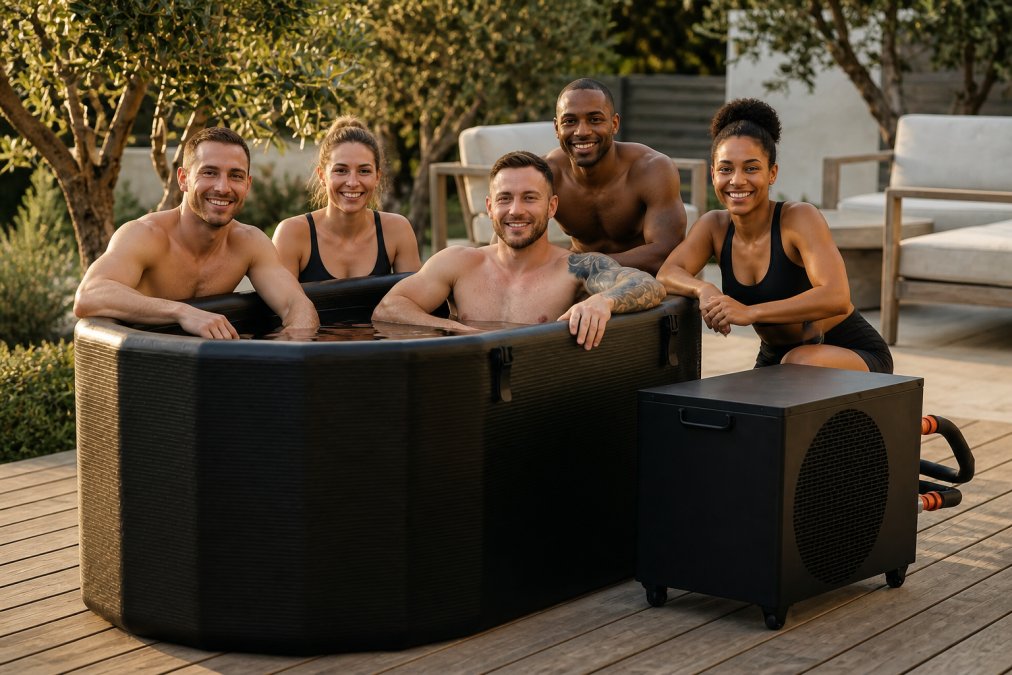
Cold plunge therapy is the practice of immersing your body in cold water, typically between 33°F and 60°F, for a set duration to trigger physiological responses that support recovery, resilience, and overall wellness. This form of cold water immersion has moved from athletic training rooms into sophisticated home wellness spaces, where individuals discover that regular cold plunge therapy delivers measurable benefits across muscle recovery, mental clarity, and immune function.
When you step into cold water, your nervous system responds immediately. Your heart rate rises, blood vessels constrict, and your body mobilizes stress hormones and neurotransmitters with profound downstream effects. At Prime Recovery Den, we've observed that the most committed practitioners treat cold plunge therapy as a deliberate practice, much like meditation or strength training. When you invest in a premium home cold plunge system, you're creating the conditions for this practice to become part of your daily routine, seamlessly integrated into your sanctuary.
The Physiological Response to Cold Water Immersion
Within seconds of immersion, vasoconstriction occurs as your blood vessels narrow to conserve core body temperature. Your sympathetic nervous system activates, flooding your system with norepinephrine, a neurotransmitter that sharpens focus and enhances mood. After you exit the cold water, vasodilation begins, blood vessels expand, and fresh oxygenated blood rushes to muscles and tissues. This cycle of constriction and expansion, repeated consistently, trains your cardiovascular system and improves circulation efficiency.
Over time, your cold tolerance builds and the shock diminishes. Your body learns to regulate its response more effectively. Your core body temperature drops slightly during immersion, and your body works to restore homeostasis. This metabolic effort increases your metabolic rate, and your body burns calories simply by rewarming itself. For individuals seeking to enhance their physical resilience and mental toughness, this response is precisely what makes cold plunge therapy effective.
Muscle Recovery and Reduction of Delayed Onset Muscle Soreness (DOMS)
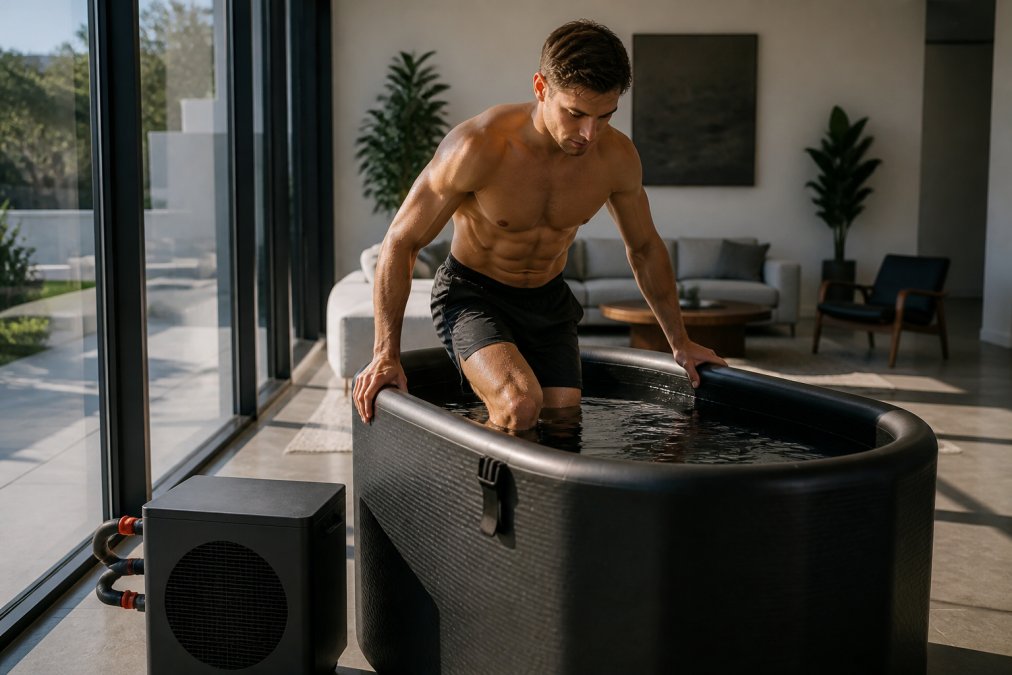
After intense training, your muscles experience microscopic tears followed by inflammation, the soreness you feel 24-48 hours after a hard workout, known as delayed onset muscle soreness or DOMS. Cold water immersion reduces this inflammatory response by constricting blood vessels and slowing metabolic activity in affected tissues.
Research shows that regular cold plunge therapy can meaningfully reduce the severity and duration of post-workout soreness. Cold exposure decreases the inflammatory cascade, allowing athletes to train more frequently without being sidelined by soreness. Athletes who incorporate cold plunge therapy into their recovery routine report feeling ready to train again sooner, recovering faster, training harder, and seeing better results from their efforts.
Timing matters significantly. Immediate post-workout cold immersion may blunt some adaptive signaling that drives muscle growth. Many practitioners find that cold plunge therapy works best when used on non-training days or several hours after intense workouts, allowing the initial inflammatory response to trigger adaptation before using cold to reduce secondary inflammation.
Cold Plunge Duration for Beginners: Starting Your Practice Safely
If you're new to cold plunge therapy, the first question is: how long should I stay in? The answer depends on your current cold tolerance, but starting conservatively is essential.
Water Temperature and Immersion Time Guidelines
Begin with water temperatures around 55°F to 60°F and immersion durations of 1-2 minutes. This is cold enough to trigger a response but not so extreme that your nervous system enters panic mode. After 1-2 weeks at this baseline, many people can extend duration to 3-4 minutes while maintaining composure and control.
As your cold tolerance builds, you can go colder or stay longer. Some practitioners maintain a moderate temperature (50°F) and extend duration to 5-10 minutes. Others prefer shorter immersions (2-3 minutes) at lower temperatures (35°F-45°F). The sweet spot for most practitioners is 3-5 minutes at 40°F-50°F, long enough to trigger meaningful physiological adaptation without excessive cardiovascular stress.
Progressive Adaptation and Cold Tolerance Building
Cold tolerance is trainable. With consistent practice, the same water temperature feels less shocking, your breathing becomes steadier, and your heart rate elevation is less dramatic. A practical progression for beginners: weeks 1-2 at 55°F for 1-2 minutes; weeks 3-4 at 50°F or 3 minutes; weeks 5-8 at 45°F and 3-5 minutes. After 8-12 weeks of consistent practice, most people can comfortably handle 3-5 minutes at 40°F or below.
Don't rush this progression. Slow, steady adaptation builds both physical cold tolerance and the mental resilience that makes cold plunge therapy genuinely transformative.
Best Practices for Home Cold Plunge Therapy Implementation
Creating a sustainable cold plunge practice at home requires more than just a tub and cold water. Your environment, ritual, and recovery protocol all matter.
Pre- and Post-Plunge Recovery Rituals
Before immersion, prepare your nervous system with 2-3 minutes of box breathing: inhale for 4 counts, hold for 4, exhale for 4, hold for 4. This activates your parasympathetic nervous system and creates calm before the shock. After you exit, dry off immediately and move into a warm environment. Avoid jumping into a hot shower right away; instead, let your body naturally rewarm for 10-15 minutes. This teaches your body to regulate temperature on its own, strengthening your thermal adaptation.
Many practitioners find that the 15-30 minutes after cold plunge immersion is when mood elevation and mental clarity peak. This is an excellent window for journaling, meditation, or intentional work.
Choosing the Right Equipment for Your Home
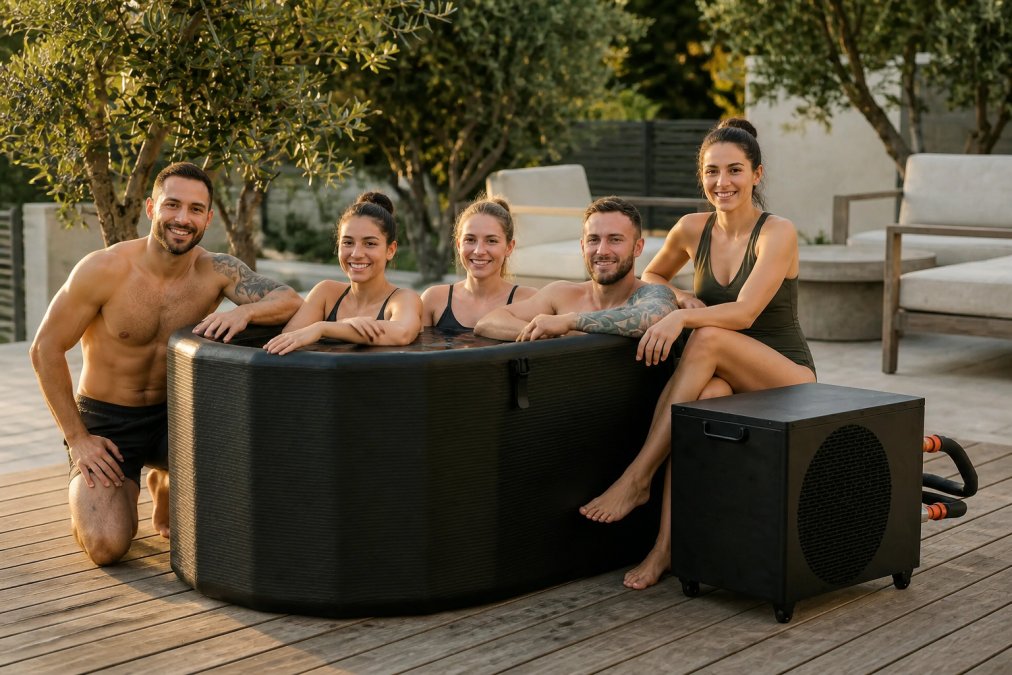
The equipment you choose shapes your experience and your commitment. Basic options like inflatable cold plunge tubs paired with ice work, but managing ice or waiting for a chiller can create friction in your routine.
Premium home cold plunge systems eliminate this friction. The Nicebeam Cryo Pro XXL Inflatable Cold Plunge Tub, available at Prime Recovery Den, offers 216 gallons of capacity with chiller compatibility, allowing you to maintain precise water temperatures without constant manual adjustment. This system will transform how you feel, you'll experience the ease of stepping into perfectly controlled cold water, the confidence that comes from reliable equipment, and the satisfaction of a seamless wellness ritual that fits naturally into your home.
For those seeking a more permanent installation, the RevX Acrylic X Tub Cold Plunge with LUX 1.5HP Chiller provides exceptional depth and insulation, cooling water to 34°F with professional-grade reliability. The Fire Cold Plunge All-In-One offers an excellent middle ground, cooling to 33°F with ozone disinfection and no separate chiller unit required. For those wanting the most advanced option, the iCoolsport MiPod Pro Dual Temp All-In-One Bath provides both hot and cold immersion in a single system, allowing you to contrast temperatures for enhanced recovery.
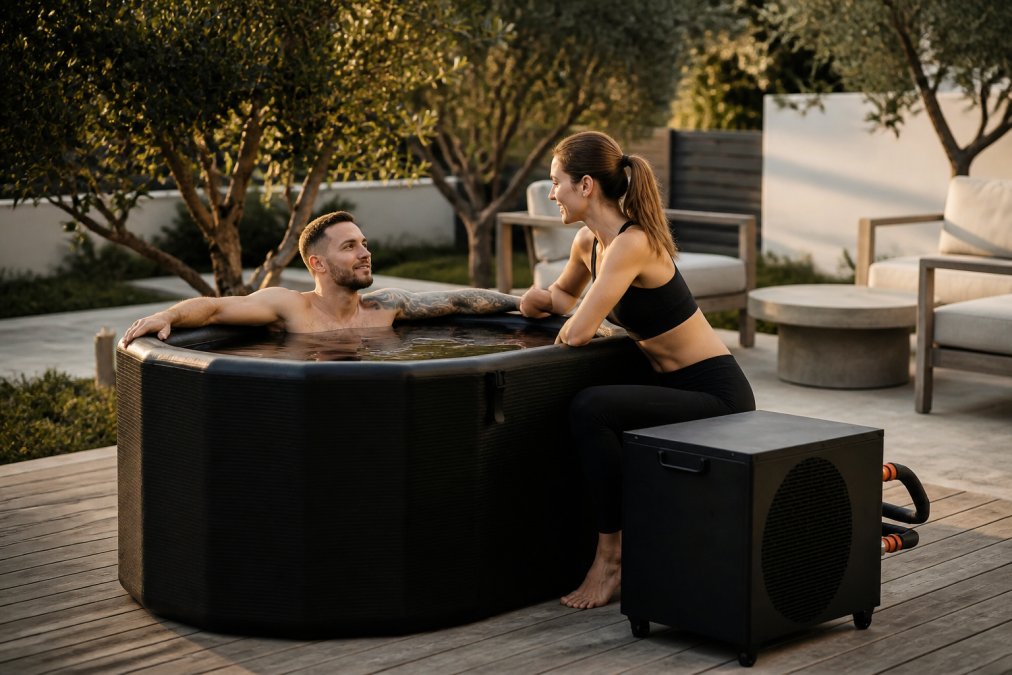
The right equipment is the one you'll actually use. When you use quality equipment that feels intentional and belongs in your space, you're more likely to show up consistently. That consistency is what drives results. Investing in a premium system from Prime Recovery Den transforms cold plunge therapy from a chore into a ritual you genuinely look forward to. The ease of maintaining precise temperatures, the aesthetic integration into your home, and the reliability of professional-grade equipment all reinforce your commitment and make you feel capable, intentional, and in control of your wellness journey.
Sleep Quality, Mental Resilience, and Mood Enhancement
Cold plunge therapy's effects on sleep and mood operate through distinct mechanisms. Cold exposure triggers a significant dopamine release; research suggests that a single cold immersion can elevate dopamine for hours afterward. Regular practitioners report feeling more resilient, more able to handle stress, and generally more positive. The mental toughness that comes from voluntarily entering cold water and choosing to stay calm transfers to other areas of life.
Sleep quality often improves with consistent cold plunge therapy, but timing is critical. Cold immersion earlier in the day supports better sleep by allowing your body's stress response to fully resolve before bedtime. A cold plunge in the evening can elevate core body temperature and activate your sympathetic nervous system, potentially disrupting sleep onset.
Cold stress in the morning strengthens your circadian rhythm, making your sleep-wake cycle more robust. You fall asleep faster, sleep more deeply, and wake more refreshed. Mental resilience, the ability to remain calm under pressure, is perhaps the most underrated benefit. When you regularly expose yourself to a controlled stressor and practice remaining composed, you build genuine psychological resilience. You're teaching your body that discomfort is manageable, that you can maintain agency in challenging situations, and that stress doesn't require panic.
Immune Function and Circulation Benefits
Cold water immersion activates your immune system through a well-documented mechanism. Repeated cold exposure increases white blood cell production and enhances the function of existing immune cells. Consistent cold plunge practitioners often report fewer respiratory infections and faster recovery when illness does occur.
Regular cold water immersion strengthens your cardiovascular system through repeated cycles of vasoconstriction and vasodilation, training your blood vessels to respond efficiently. Over time, this improves overall circulation, reduces blood pressure, and enhances oxygen delivery to tissues. Athletes often notice improved endurance and faster recovery from training.
Your metabolic rate increases with cold exposure as your body burns calories simply by rewarming itself. While a single cold plunge session burns a modest amount of calories, consistent practice over weeks and months contributes to metabolic health and can support weight management goals when combined with proper nutrition and training.
Safety Precautions and Contraindications
Cold plunge therapy is powerful, and power requires respect. Cardiovascular disease, uncontrolled hypertension, and arrhythmias are significant contraindications. Cold immersion increases heart rate and blood pressure acutely, which can be dangerous for those with compromised cardiac function. If you have any history of heart disease, consult your physician before beginning cold plunge therapy.
Pregnancy is another contraindication, as is Raynaud's syndrome or other vasospastic disorders. Hypothermia risk is real if you stay in cold water too long or if water temperature is dangerously low. Maintain appropriate duration (start with 1-2 minutes) and temperature (above 33°F). The cold shock response, sudden gasping and hyperventilation upon immersion, can lead to water inhalation if you're not prepared. Always enter cold water gradually, controlling your breathing.
Begin slowly, progress conservatively, and listen to your body. The goal is sustainable adaptation, not heroic endurance.
Cold plunge therapy has moved from fringe athletic practice into mainstream wellness for good reason. The physiological benefits, faster muscle recovery, improved circulation, enhanced immune function, and better sleep, are real and measurable. The mental resilience that comes from regular cold exposure is equally valuable. If you're serious about recovery and ready to commit to a consistent practice, investing in a premium home cold plunge system from Prime Recovery Den transforms this practice from occasional experiment into daily ritual. The RevX Acrylic X Tub and Fire Cold Plunge All-In-One both deliver precise temperature control and professional reliability, allowing you to focus on the practice rather than managing equipment. When you have equipment you trust and a space designed for wellness, you show up consistently, and consistency is where the real transformation happens.
Frequently Asked Questions
What happens to your body after 30 days of daily cold plunge therapy?
After 30 days of consistent cold plunge therapy, your body develops improved cold tolerance and metabolic adaptation. You'll likely notice enhanced muscle recovery, reduced inflammation markers, better sleep quality, and increased mental resilience. Your cardiovascular system becomes more efficient at managing the cold shock response, and many users report sustained improvements in mood and energy levels. The parasympathetic response strengthens, meaning your nervous system recovers faster after stress.
How long should beginners stay in a cold plunge each day?
Beginners should start with 1-3 minutes in water between 50-60°F, gradually increasing to 5-10 minutes over several weeks as cold tolerance builds. Never exceed 15 minutes, even as you adapt. The key is consistency over duration, daily 3-minute sessions produce better results than sporadic 15-minute plunges. Listen to your body and avoid the cold shock response that occurs in the first 30 seconds; controlled breathing helps manage this natural physiological stress.
Can daily cold plunge therapy lower cortisol and support stress reduction?
Yes, regular cold plunge therapy can help regulate cortisol levels over time. While cold water initially triggers a sympathetic nervous system response (raising cortisol briefly), consistent practice trains your body to manage this stress more efficiently. This adaptation leads to lower baseline cortisol and improved parasympathetic recovery. The dopamine release and vagus nerve stimulation from cold immersion also support mood stabilization and long-term stress resilience.
Is daily cold plunge therapy safe for everyone?
Cold plunge therapy is not suitable for everyone. Avoid daily cold immersion if you have cardiovascular disease, uncontrolled hypertension, arrhythmias, or are pregnant. People with Raynaud's syndrome, severe anxiety, or recent heart surgery should consult a physician first. Those with compromised immune systems or taking certain medications should also seek medical guidance. Start slowly, monitor how your body responds, and discontinue if you experience chest pain, severe shortness of breath, or dizziness.
%0A%0ACold%20Pl...)
Leave a comment
This site is protected by hCaptcha and the hCaptcha Privacy Policy and Terms of Service apply.