

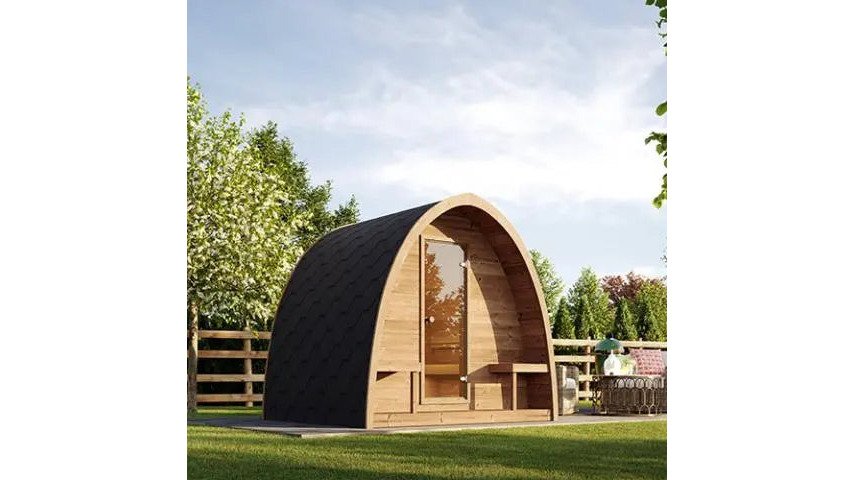
Top 5 Outdoor Sauna Designs for Cold Climates
Table of Contents
- Why Outdoor Sauna Design Matters in Cold Climates
- 1. Barrel Sauna: Compact Efficiency for Snowy Backyards
- 2. Cabin Sauna: Spacious Comfort with Superior Weather Protection
- 3. Cube Sauna: Modern Scandinavian Design for Year-Round Use
- Best Insulation for Outdoor Saunas in Winter Conditions
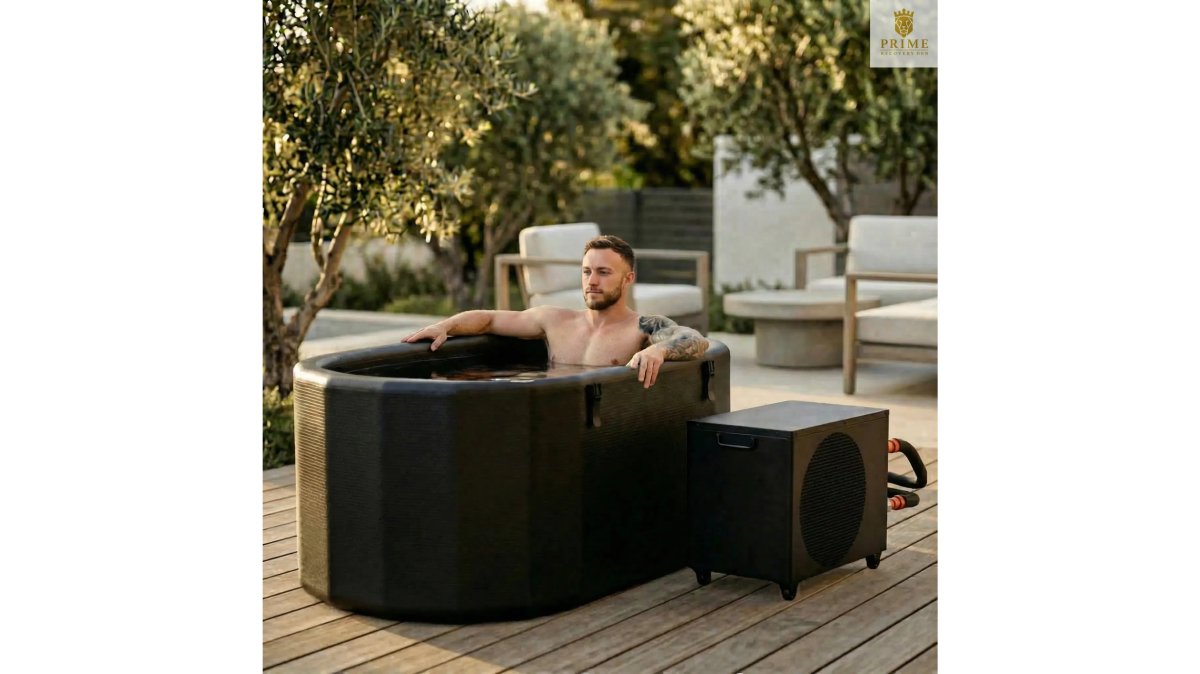
- Benefits of Cold Plunge and Sauna Therapy for Recovery
- Quick Comparison Table: Design Types for Cold Climates
- Key Features to Prioritize: Snow Load, Ventilation, and Thermal Efficiency
- Frequently Asked Questions
Last Updated: September 1, 2026
Why Outdoor Sauna Design Matters in Cold Climates
Choosing the right outdoor sauna design for cold climates isn't just about aesthetics, it's about thermal efficiency, structural durability, and whether you'll actually use it year-round. Cold-climate saunas face unique engineering challenges: snow load bearing capacity, vapor barrier integrity, and heating efficiency at sub-zero temperatures separate a sauna that thrives in winter from one that fails. The five designs we cover have generated consistent satisfaction among homeowners in northern climates, combining structural snow-load engineering, superior insulation (R-value 10+), Thermowood or cedar construction, and integrated drainage systems that prevent ice buildup and moisture damage.
1. Barrel Sauna: Compact Efficiency for Snowy Backyards
Barrel saunas dominate cold-climate installations because their cylindrical design naturally sheds snow and resists wind pressure. The curved roof doesn't collect snow drifts, and the compact footprint fits tight backyards. The SaunaLife Model EE8G Sauna Barrel, at 91 inches in diameter and 79 inches in length, accommodates up to 6 people while maintaining structural integrity under significant snow loads.

The barrel design's primary advantage is thermal efficiency. A smaller interior volume heats faster and retains warmth better than cabin designs, meaning lower kilowatt requirements and faster warm-up times when outdoor temperatures hover near freezing. The 1.65-inch Thermo-Spruce staves provide twice the durability of cedar, resisting moisture penetration and rot that plague untreated wood in freeze-thaw cycles.
Where barrel saunas fall short: they feel cozy rather than spacious. Six people is the practical maximum, and interior height (typically 6'7") limits movement. Installation requires a solid, level foundation, critical in regions with frost heave.

The SaunaLife EE8G includes Wi-Fi app-controlled LED lighting, dual floor drains for ice-melt management, and stainless steel barrel bands rated for thermal stress. These details matter in cold climates, the dual drains prevent standing water that freezes and damages the floor structure. This sauna will make you feel rejuvenated and grounded, the heat melting away winter tension while the compact design creates an intimate sanctuary.
2. Cabin Sauna: Spacious Comfort with Superior Weather Protection
Cabin saunas offer standing room, bench seating for multiple people, and visibility through large windows or glass fronts. The SaunaLife GL4 Outdoor Sauna Kit represents the contemporary cabin approach: modern linear architecture with integrated eaves, a full-height bronze tempered glass front, and 1.57-inch Nordic Thermo-Spruce walls that resist moisture and decay.
Cabin designs excel at weather protection. The extended roof eaves shield the entry and porch, reducing ice accumulation on walkways and doors. Interior headroom typically exceeds 6'2", and the 2-tiered bench configuration accommodates 4-6 people comfortably. The GL4's full-height glass front floods the interior with natural light while providing unobstructed views of the surrounding landscape, a psychological benefit during long winter isolation.
The thermal tradeoff: cabin saunas have larger interior volumes than barrels, requiring higher kilowatt heaters to reach temperature quickly. A 9-kilowatt heater (common for 4-6 person cabins) consumes more energy than a 6-kilowatt barrel setup, though the difference narrows at full occupancy.

The GL4 ships with interlocking-beam construction that allows natural wood expansion and contraction, critical in freeze-thaw climates where rigid joinery cracks. The extra-thick roof and metal flashing handle heavy snow loads without sagging. This sauna will make you feel expansive and connected, the spacious interior and natural light creating a welcoming retreat where you can share recovery time with loved ones.
3. Cube Sauna: Modern Scandinavian Design for Year-Round Use
Cube saunas represent the newest design philosophy: compact footprints with modern aesthetics that complement contemporary homes. The SaunaLife Model CL5G exemplifies this approach, a 4-person cube with full tempered bronze glass front, over 6'2" of headroom, and Thermo-Aspen benches with ergonomic arched backrests.

The cube design appeals to homeowners who want sauna functionality without visual bulk. Measuring roughly 80 inches wide by 63 inches deep, it fits on patios or decks alongside other furniture. The clean lines integrate into sophisticated landscapes while delivering superior insulation, cube saunas typically achieve R-values of 10-12 through careful wall construction, matching or exceeding cabin performance despite smaller size.
The CL5G's 1.7-inch Thermo-Spruce walls and shingled roof handle snow loads effectively. The full glass front provides sightlines comparable to cabin designs while the compact form reduces wind exposure. Wi-Fi LED lighting (included) allows app-based control, adding convenience in cold weather. This sauna will make you feel modern and intentional, transforming your outdoor space into a sophisticated wellness sanctuary that reflects your commitment to year-round recovery.
Cube limitations: they're best suited for 2-4 people, and the rectangular footprint doesn't accommodate custom bench arrangements.
Best Insulation for Outdoor Saunas in Winter Conditions
Insulation performance directly determines heating costs and comfort in cold climates. The standard measurement, R-value, indicates resistance to heat flow. Most outdoor saunas in cold regions need R-value 10 or higher to maintain reasonable operating costs when ambient temperatures drop below freezing.
Thermowood and cedar both offer natural insulation properties, but thermally modified wood (Thermowood) performs better in extreme cold. The thermal modification process removes moisture from wood cells, reducing dimensional movement and improving stability. This matters because wood that expands and contracts in freeze-thaw cycles creates gaps in insulation and structural stress.
The SaunaLife GL6, a 6-person cabin sauna, achieves superior insulation through 1.57-inch Nordic Thermo-Spruce walls combined with integrated ventilation systems that minimize air leakage. The extra-thick roof and metal flashing prevent heat loss through the top, critical since warm air naturally rises.
Vapor barriers matter as much as R-values. Moisture trapped inside walls freezes and degrades insulation effectiveness. Professional sauna designs include vapor barriers on the warm (interior) side of walls, preventing moisture migration into insulation layers. The SaunaLife GL4 and GL6 both integrate vapor barrier systems, while budget models sometimes omit this feature, a false economy in cold climates.
Benefits of Cold Plunge and Sauna Therapy for Recovery
The sauna-and-cold-plunge combination has become central to recovery protocols for athletes and wellness enthusiasts. Heat therapy from sauna sessions increases blood flow, reduces muscle tension, and promotes relaxation. The contrast, moving from 180°F sauna heat to 50°F cold water, triggers cardiovascular adaptation and accelerates recovery from intense training.
Sauna therapy alone delivers measurable benefits: improved circulation, reduced inflammation, and enhanced parasympathetic nervous system activation. Cold exposure triggers norepinephrine release, enhancing focus and mood regulation. The alternating pattern creates a powerful recovery stimulus that many practitioners find more restorative than either alone.
Winter outdoor saunas make this therapy accessible year-round. Some users plunge into outdoor cold water or snow immediately after sauna sessions, intensifying the recovery effect. This practice requires careful planning, proper drainage, slip-resistant surfaces, and temperature monitoring, but the psychological and physiological benefits justify the infrastructure investment.
At Prime Recovery Den, homeowners with year-round sauna access can experience feeling more energized and resilient through winter months. The ritual of regular sauna use creates a sanctuary experience that combats seasonal depression and physical stagnation. The improved circulation and muscle relaxation can translate to better sleep quality, reduced chronic pain, and enhanced athletic recovery.
Quick Comparison Table: Design Types for Cold Climates
| Design Type | Best For | Capacity | Insulation | Heating Efficiency | Installation Difficulty |
|---|---|---|---|---|---|
| Barrel Sauna | Compact spaces, couples | 4-6 people | R-9 to R-11 | Fast warm-up, low kilowatts | Moderate |
| Cabin Sauna | Families, entertaining | 4-8 people | R-10 to R-12 | Moderate warm-up, medium kilowatts | Moderate to high |
| Cube Sauna | Modern aesthetics, small groups | 2-4 people | R-10 to R-12 | Fast warm-up, low kilowatts | Easy |
| Luxury Cabin | Premium experience, year-round use | 6-8 people | R-12+ | Moderate warm-up, medium-high kilowatts | Professional install recommended |
| Glass-Front Modern | Design-forward, therapeutic | 4-6 people | R-11+ | Moderate warm-up, medium kilowatts | Professional install recommended |
Key Features to Prioritize: Snow Load, Ventilation, and Thermal Efficiency
Snow load capacity is non-negotiable in cold climates. Most residential structures are engineered for 20-40 pounds per square foot of snow load, depending on local building codes. Premium sauna designs specify roof load capacity explicitly, look for 60+ PSF ratings in regions that experience heavy, wet snow. The SaunaLife GL6 and Model G11 both exceed standard residential snow load requirements.

Ventilation systems prevent moisture buildup that damages wood and insulation. Proper ventilation requires both intake and exhaust vents sized correctly for the sauna's volume and heater output. The SaunaLife designs include engineered ventilation systems that maintain fresh oxygen supply while minimizing heat loss. Inadequate ventilation leads to mold and wood decay, while excessive ventilation reduces thermal efficiency.
Thermal efficiency combines insulation quality, heater sizing, and construction precision. A 6-kilowatt heater in a poorly insulated cabin struggles to reach target temperatures in sub-zero weather, consuming excessive energy. The same heater in a well-insulated barrel sauna reaches 180°F in 30 minutes. Compare kilowatt ratings against interior volume to assess heating efficiency before purchasing.
Drainage and moisture management separate winter-capable designs from seasonal-only models. Dual floor drains prevent standing water that freezes and damages flooring. Proper slope toward drains and a foundation that allows water to disperse rather than pool underneath the structure prevents ice heave and structural shifting.
Material selection matters profoundly. Thermowood resists freeze-thaw cycles better than untreated cedar. The SaunaLife product line emphasizes Thermo-Spruce and Thermo-Aspen, wood species specifically treated for outdoor durability. These materials deliver the longevity required in harsh climates.
At Prime Recovery Den, our curated selection of SaunaLife and premium designs reflects these engineering priorities. The SaunaLife Model CL5G delivers modern Scandinavian design for couples and small families prioritizing aesthetic integration without sacrificing thermal performance. The SaunaLife GL4 represents the contemporary cabin approach with professional-grade durability. The SaunaLife GL6 offers the ultimate cabin experience with superior insulation and snow-load capacity for families seeking year-round sanctuary.
These products will make you feel invigorated and restored, the warmth penetrating tired muscles, the steam clearing your mind, the ritual of regular sauna sessions transforming your relationship with winter itself. You'll experience profound relaxation, enhanced recovery, and a deep sense of well-being that extends far beyond the sauna session itself. The sanctuary you create becomes a refuge where stress melts away and your body heals.
Choosing an outdoor sauna for cold climates requires balancing thermal efficiency, structural durability, and personal use patterns. The designs covered here, from compact barrel saunas to spacious cabins, each solve specific problems while maintaining year-round performance. Your investment in a well-engineered sauna transforms winter from a season to endure into an opportunity for deep recovery and restoration. At Prime Recovery Den, we help you select the design that matches your space, budget, and recovery goals, ensuring your sauna becomes the sanctuary you return to season after season.
Frequently Asked Questions
What outdoor sauna design is best for cold climates?
Barrel and cabin saunas with thick insulation (1.5+ inches) and weather-sealed roofs perform best in cold climates. Barrel designs shed snow efficiently due to their curved shape, while cabin saunas offer superior protection through extended eaves and thermal mass. Thermowood and thermo-spruce materials resist moisture and decay far better than standard cedar. The SaunaLife Model EE8G barrel sauna, for example, features 1.65-inch thermo-spruce staves and dual floor drains to handle winter moisture effectively.
How does insulation affect outdoor sauna performance in winter?
Proper insulation is critical for maintaining heat efficiency and preventing ice buildup on exterior surfaces. Saunas with mineral wool insulation (2+ inches) and vapor barriers retain heat more effectively than uninsulated designs. In sub-zero temperatures, thick insulation reduces heating time and energy consumption while preventing condensation damage. Thermowood construction naturally provides superior thermal resistance compared to untreated wood. The SaunaLife GL6 uses 1.57-inch thermo-spruce walls with integrated vapor barriers, making it ideal for regions experiencing harsh winters and heavy snowfall.
Are barrel saunas or cabin saunas better for cold climates?
Both excel in cold climates but serve different needs. Barrel saunas shed snow naturally due to their curved roof, require less floor space, and heat faster due to compact interiors. Cabin saunas offer more seating capacity, better weather protection through extended eaves, and superior insulation options. For couples or small families, barrel designs like the SaunaLife EE8G maximize efficiency. For larger groups or those prioritizing comfort, cabin models like the SaunaLife GL6 provide spacious interiors and premium amenities. Your choice depends on available space, capacity needs, and budget.
What maintenance is required for outdoor saunas in snowy regions?
Winter maintenance includes clearing snow from the roof to prevent structural strain, ensuring drainage systems remain clear of ice, and checking vapor barriers for moisture damage. Inspect door seals and glass for frost buildup monthly. Apply protective oil to wood annually to maintain weather resistance. Verify that ventilation vents aren't blocked by snow or ice, as proper airflow prevents mold and condensation damage. Electrical connections should be inspected for water intrusion, and heater performance should be tested regularly. Prime Recovery Den saunas come with comprehensive care guides and warranty coverage for residential use, ensuring your investment remains protected year-round.
This article was written using GrandRanker

Leave a comment
This site is protected by hCaptcha and the hCaptcha Privacy Policy and Terms of Service apply.