

9 Natural Lighting Tips for Wellness Spaces at Home
Last Updated: November 22, 2026
Quick Summary
Bring natural lighting into a wellness room by checking which way the windows face, placing seating so you face the window, and softening glare with sheer or cellular shades. Layer warm artificial light for evening sessions. Even rooms without windows feel restorative when light is built from walls and floor upward.
- Check window orientation and light at 8 a.m., noon and 6 p.m. before placing furniture.
- Position seating so you face the window rather than sitting with your back to it.
- Use sheer linen or cellular shades to diffuse light and reduce midday glare and heat.
- Layer ambient, task and accent light, and use warm bulbs in the 2700K to 3000K range for evenings.
- For rooms without windows, use wall sconces and concealed LED strips instead of one overhead fixture.
Table of Contents
- How Do You Bring Natural Light Into a Wellness Space?
- 1. Assess Your Room by Orientation and Time of Day
- 2. Maximize Natural Light in a Room With Smart Window Placement
- 3. Manage Glare, Heat Gain and UV Without Losing the Light
- 4. Layer Ambient, Task and Accent Lighting for Calm
- 5. Brighten a Room With No Windows Using Warm, Layered Light
- 6. Use Color Temperature to Match Each Activity
- 7. Add Smart Controls for Seasonal and Daily Changes
- 8. Protect Your Space With Low-Cost Daylight Fixes
- 9. Keep Light Comfortable for Every Session
- Frequently Asked Questions
How Do You Bring Natural Light Into a Wellness Space?
Natural lighting is one of the simplest ways to make a space feel calmer and more inviting. Daylight can make time spent there feel more intentional. At Prime Recovery Den, we design our home wellness collection around that same idea: a space that feels like a sanctuary because light, warmth and comfort work together.
Natural lighting for a wellness room is not only about adding windows. It is about placing your recovery equipment where daylight arrives gently, controlling harsh glare, and layering light so each session feels settled. The nine tips below walk through that process one step at a time, with the products that pair best with each.
1. Assess Your Room by Orientation and Time of Day
Start by noting which way each window faces. A north-facing room receives soft, even light most of the day. A south-facing room gets strong light for much of the afternoon, which can feel intense for relaxation. East-facing rooms are brightest in the morning, and west-facing rooms warm up in the late afternoon and evening.
Spend a few days checking the room at the times you plan to use it. Note where sunlight falls at 8 a.m., noon and 6 p.m. This simple audit tells you where to place seating, where to add sheer window coverings, and whether the room needs supplemental light after dark.
If the room is a dedicated sauna or recovery area, a glass-fronted cabin lets natural light in while keeping the heat contained. The ThermaSol Astra 4-Person Indoor Sauna Cabin, starting at $33,799.97, uses semi-panoramic transparent glass panels in a corner layout, giving the room an open, airy feel that lets natural light in while keeping the heat contained.
2. Maximize Natural Light in a Room With Smart Window Placement
Placement matters more than window size. Position seating, benches and recovery equipment so people face the window rather than sitting with their backs to it. A calm, sunlit living room with a large window and a low lounge chair bathed in soft morning light is the kind of setting that makes a wellness corner feel open.
For rooms with limited windows, mirror placement can bounce daylight deeper into the space. Keep furniture low near windows so light is not blocked, and choose lighter wall tones that reflect rather than absorb what comes in.
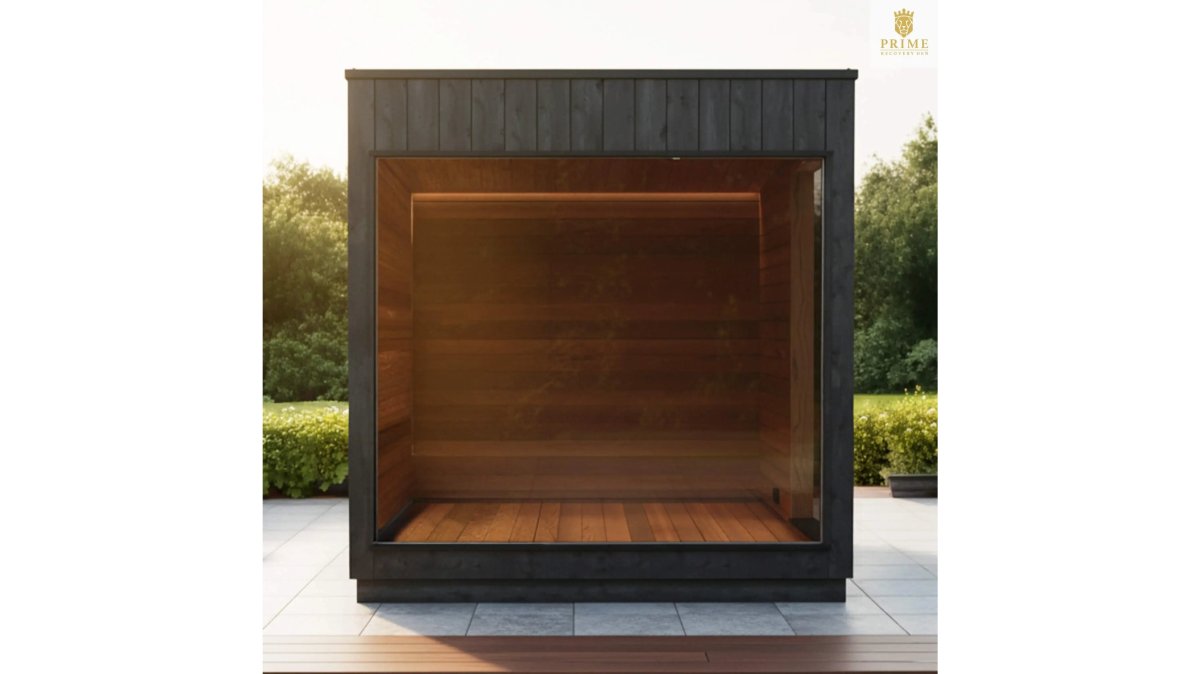
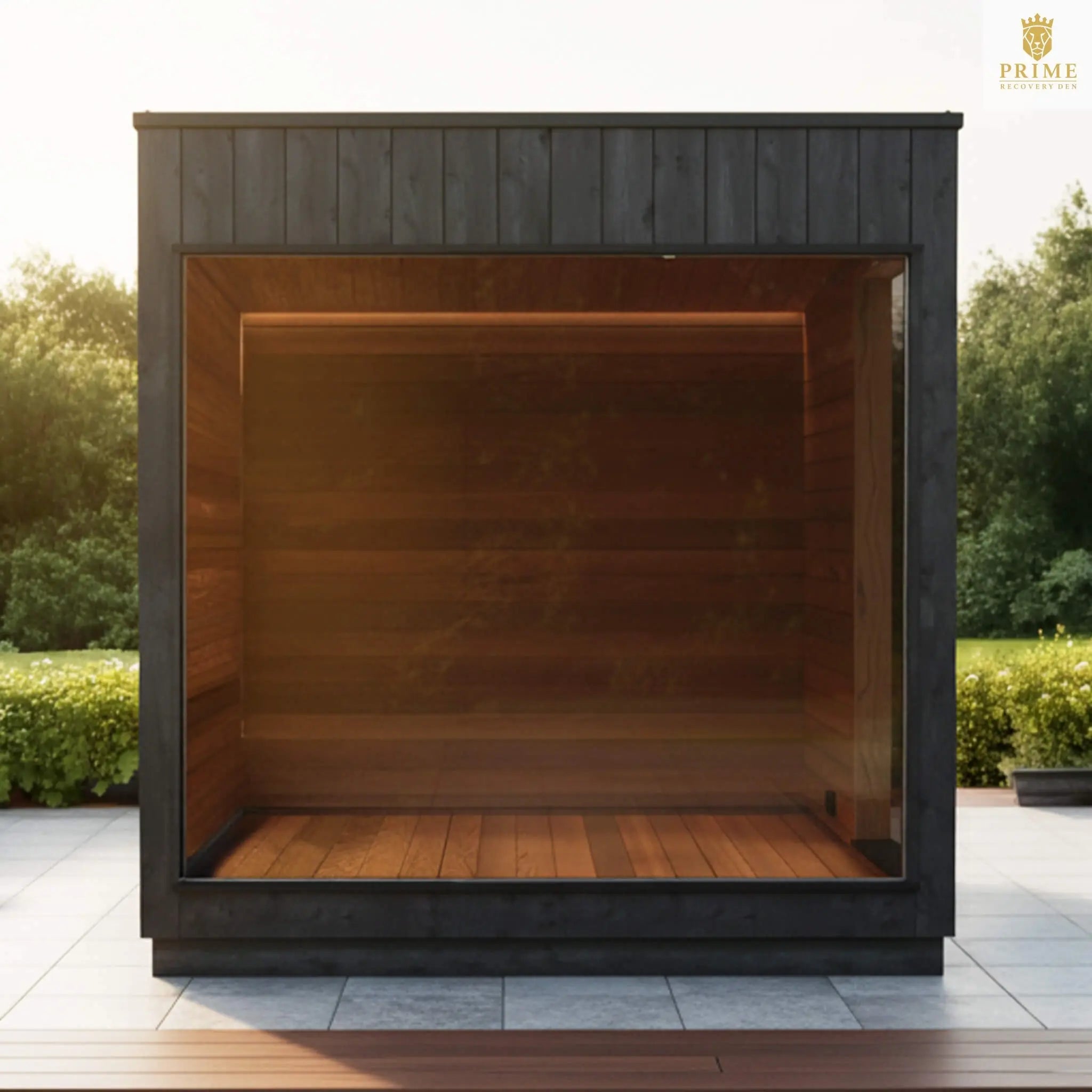
The ThermaSol Nordic Misty Outdoor Lounge Cabin, starting at $32,799.97, features a massive floor-to-ceiling window that floods the space with natural light and offers uninterrupted outdoor views. Placing it where it faces your best view turns daylight into part of the experience.
3. Manage Glare, Heat Gain and UV Without Losing the Light
Bright daylight is valuable, but unfiltered sun can create glare on screens and tile, and it can warm a room quickly. Learning how to control light and heat helps a room stay calm and comfortable. Sheer linen or cellular shades diffuse light rather than blocking it. Blackout options work well for midday, when the sun is strongest and rooms overheat.
UV exposure can also fade wood, upholstery and wellness materials over time. Window film with UV protection and light-filtering treatments keep the room bright while protecting finishes. Place sun-sensitive furniture slightly back from the window line.
Heat is the other concern. Rooms with large south or west glass can run warm, so plan ventilation before you plan seating.
Starting prices of featured sauna and cabin products
4. Layer Ambient, Task and Accent Lighting for Calm
Natural light fades in the evening, so layering artificial light keeps the room restful after dark. See how to turn a living room into a relaxation zone with layered lighting. Use three layers: ambient light for general glow, task light for reading or stretching, and accent light for atmosphere.
Warm white bulbs in the 2700K to 3000K range create a relaxing tone. Cooler light suits daytime tasks, while warmer light works better for evening recovery sessions. Dimmers let you move between the two without changing fixtures.
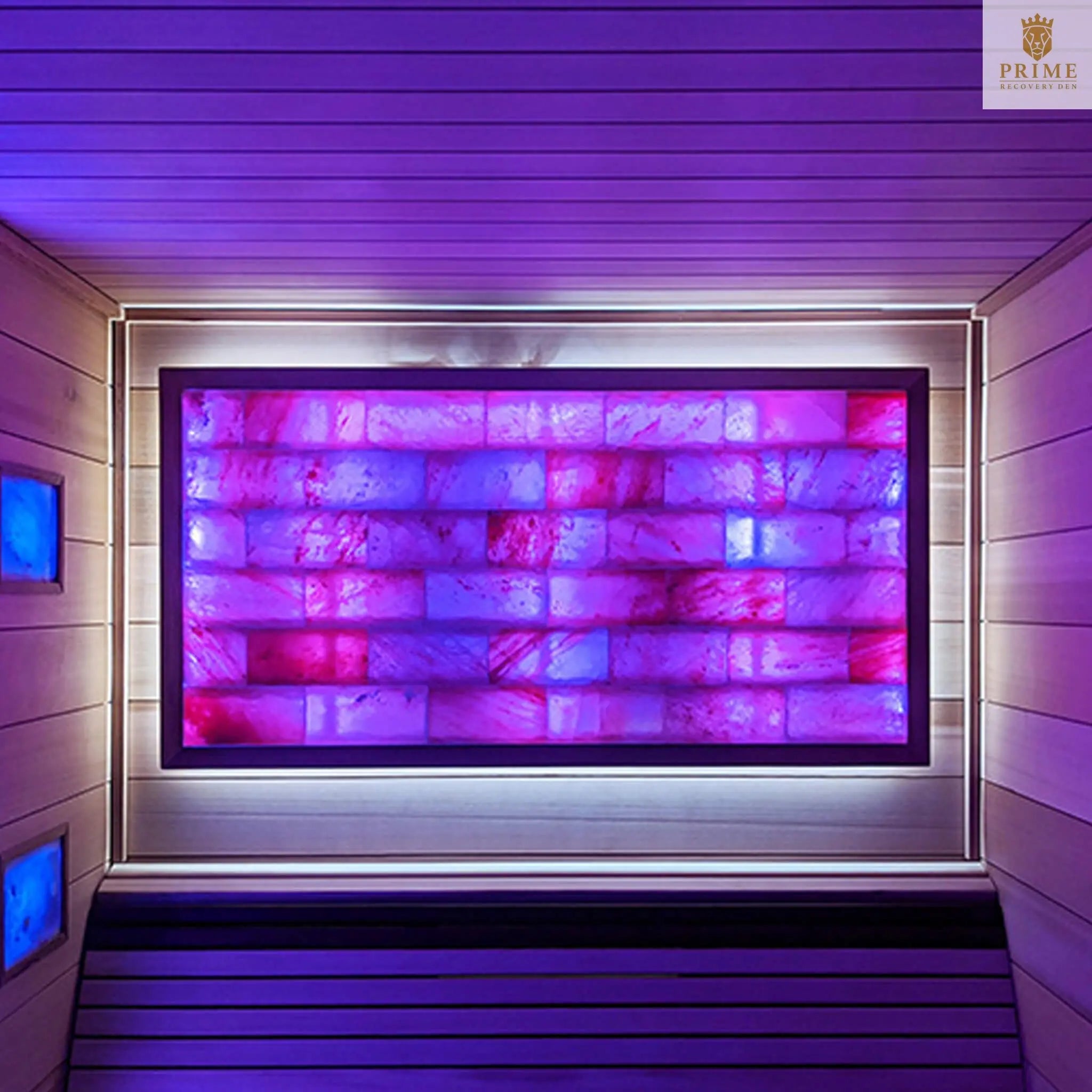
For a sauna room, the Prosaunas Himalayan Salt Sauna Light Panel Kit, starting at $1,599.97, offers a dotless LED glow with white or RGB backlighting, controlled by remote or a Wi-Fi app.
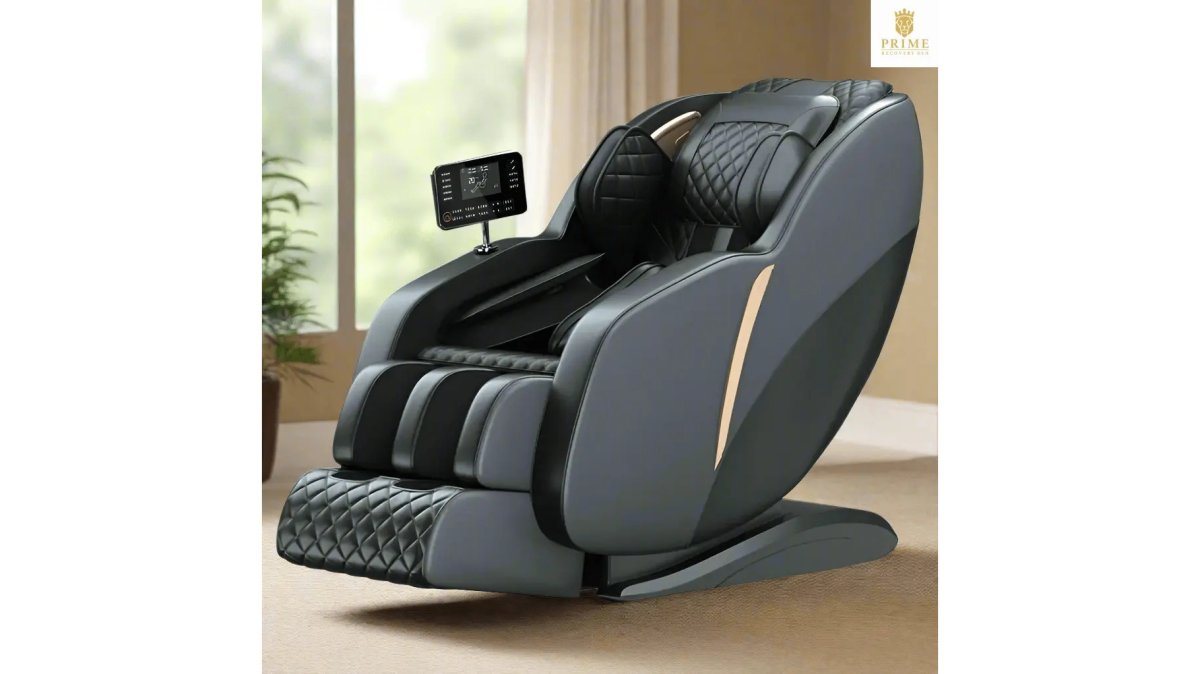
Watch out: very bright overhead lights in a small room can feel harsh. Keep the main fixture on a dimmer and rely on accent light for most of the session. A power reclining loveseat with massage and LED lighting adds soft integrated glow to a relaxation area, so you can settle in comfortably.
Natural light fades in the evening, so the article suggests layering three kinds of artificial light, with warm bulbs suited to recovery sessions.
| Light layer | Purpose | Note |
|---|---|---|
| Ambient | General glow across the room | Keep the main fixture on a dimmer |
| Task | Reading or stretching | Light placed where you need it |
| Accent | Atmosphere | Carries most of the session |
| Warm white bulbs | Relaxing tone | 2700K to 3000K range |
| Cooler light | Daytime tasks | Suits daytime use |
5. Brighten a Room With No Windows Using Warm, Layered Light
A room without windows can still feel warm and restorative. The key is to stop relying on a single overhead fixture and build light from the walls and floor upward. Wall sconces, floor lamps and concealed LED strips create depth that a ceiling light alone cannot.
Choose a warm color temperature and keep the brightest light at eye level or below, so the room feels enclosed in a pleasant way rather than lit from above. Reflective surfaces such as a pale ceiling or a mirror on one wall help spread the glow.
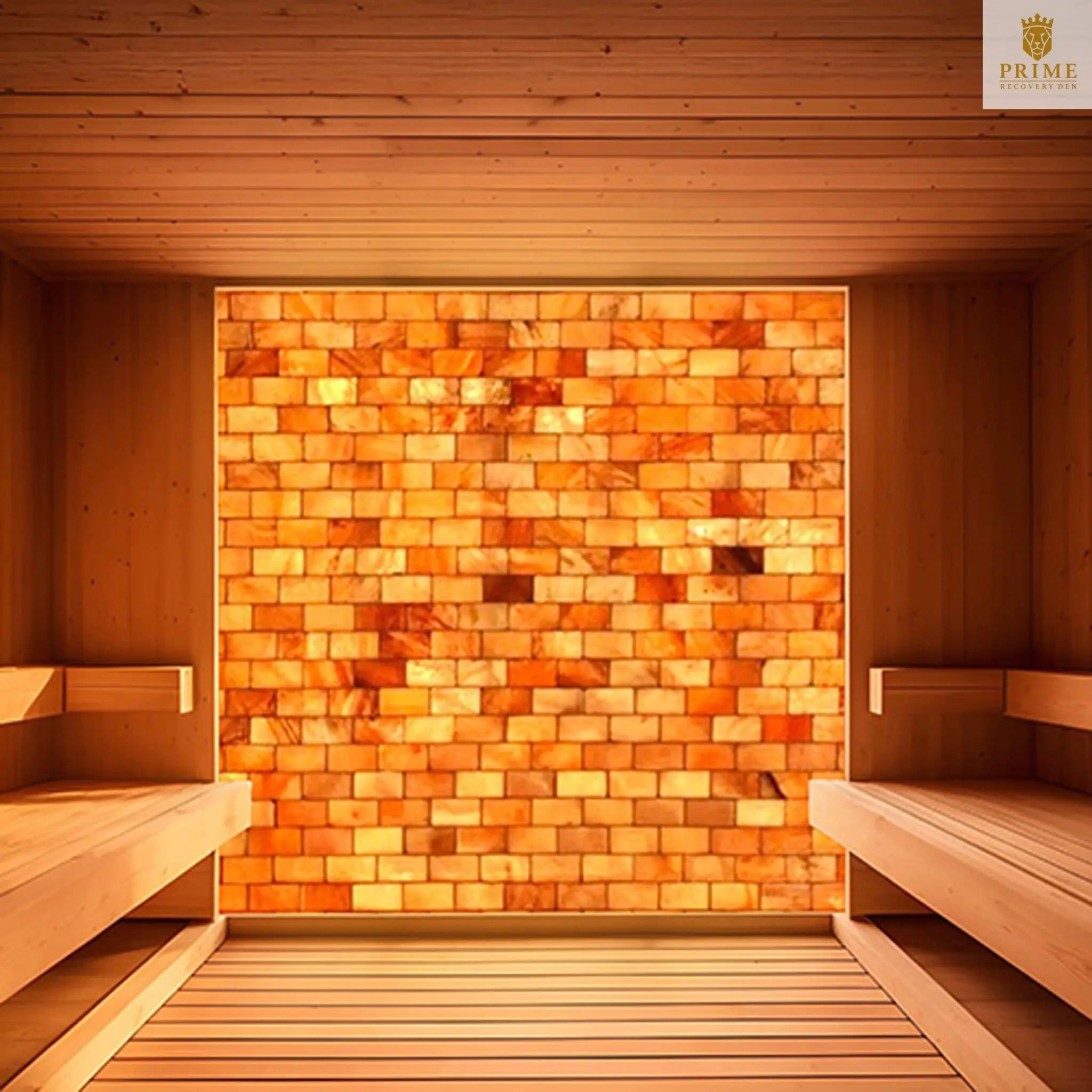
The Prosaunas Himalayan Salt Sauna Wall Kit, starting at $3,399.97, offers backlit 2-inch Himalayan salt bricks in pink or white, with optional dotless LED backlighting for an even, warm glow. A salt room light kit with amber backlighting can bring that same warmth into a room without windows. The Thermora Pandora 2-Person Indoor Infrared Sauna, starting at $3,899.97, also includes a 12-inch by 12-inch red light therapy panel and interior glow for a softly lit session.
6. Use Color Temperature to Match Each Activity
Different activities call for different light. Morning routines and light stretching often suit cooler, brighter light, while evening recovery sessions usually suit warmer light. Keep this in mind when you choose bulbs and LED strips.
Many LED systems let you adjust color temperature, so you can shift the room as the day goes on.
7. Add Smart Controls for Seasonal and Daily Changes
Daylight changes with the seasons. A room that feels bright in June may feel dim in January. Smart controls let you adjust light to match the time of year and the time of day without moving furniture.
Scheduled dimming, remote control and app-based settings make it easy to start a session with soft light and build from there. Some of our saunas and cabins, such as the SaunaLife E8W and the Prosaunas salt light kits, include LED lighting that can be controlled by a handheld remote or Wi-Fi app, so you can set the mood before you step in.
8. Protect Your Space With Low-Cost Daylight Fixes
You do not need a renovation to improve daylight. Simple changes help most. Clean windows regularly, since dust and film can reduce incoming light noticeably. Swap heavy curtains for sheer fabric. Move seating to face the window. Paint walls a lighter, warmer neutral.
Renters can use tension-rod sheers, plug-in wall lights and removable LED strips. These options add light without permanent changes, and they work well in small rooms where every bit of brightness counts.
9. Keep Light Comfortable for Every Session
Good wellness lighting should feel comfortable, not clinical. Keep the brightest source out of direct sight line, and let light fall softly across surfaces. Test the room at the times you use it most, and adjust until it feels settled.
At Prime Recovery Den, we believe a wellness space should make you feel calm, cared for and at ease the moment you walk in. Good light helps you feel that way, whether you are unwinding in a glass-fronted cabin, relaxing in a lit salt room, or stretching beside a sunlit window. Explore our full collection to find the pieces that suit your room, your routine and the way you want to feel after each session.
Frequently Asked Questions
What is the 5'7" lighting rule?
The 5'7" rule is a common guideline suggesting that a primary light source should sit about 5 feet 7 inches above the floor, roughly at eye level when seated or standing, so light lands on faces and surfaces naturally rather than from the ceiling alone. In a wellness room, this often means placing a floor lamp or wall sconce at that height beside a seating area. Pairing it with a dimmer lets you set a softer, more relaxed level for evening sessions.
What is the three-lighting rule?
The three-lighting rule means combining ambient light for overall brightness, task light for focused activities such as reading, and accent light for mood or highlighting features. In a wellness room, ambient light might come from ceiling fixtures on a dimmer, task light from a reading lamp, and accent light from concealed LED strips. Using all three lets you shift the room from energizing to restful without changing the layout.
What color LED lighting may feel calming in a wellness room?
Warm white light around 2700K to 3000K is widely used in relaxing spaces because it resembles the glow of sunset and lamplight. Many people find these tones easier to settle into in the evening than cool white. Some LED systems also offer color options, which can be useful for mood-setting, though steady warm white is typically the simplest choice for daily relaxation.
How can I brighten a room with no windows?
Start with layered artificial light, since a windowless room depends entirely on fixtures. Use a mix of ceiling light on a dimmer, wall sconces, and concealed LED strips to spread light evenly rather than relying on one bright overhead fixture. Light-colored walls and matte finishes help reflect light around the room, and a mirror placed opposite a light source can extend the glow.
How can I reduce glare while keeping a wellness space bright?
Indirect lighting is the most effective approach. Bounce light off ceilings and walls rather than pointing fixtures directly at eye level, and choose diffusers or frosted shades to soften bulbs. Position seating so the main window is not directly behind or in front of you, and use sheer window coverings to scatter daylight without blocking it.



Leave a comment
This site is protected by hCaptcha and the hCaptcha Privacy Policy and Terms of Service apply.