

Article: Luxury Home Wellness Center: The 2026 Ultimate Guide
Luxury Home Wellness Center: The 2026 Ultimate Guide
Table of Contents
- What Defines a Luxury Home Wellness Center in 2026
- Home Recovery Room Design: Layout, Materials, and Flow
- Benefits of Home Sauna and Cold Plunge for Recovery
- Best Equipment for Home Wellness Centers
- Light, Air, and Acoustic Insulation: The Invisible Systems
- Maintenance and Operating Costs of a Luxury Home Wellness Center
- ROI and Property Value Impact
- Frequently Asked Questions
Last Updated: September 29, 2026
What Defines a Luxury Home Wellness Center in 2026
A luxury home wellness center is a dedicated residential space engineered for recovery, relaxation, and daily restoration, combining thermal therapy, air quality control, and sensory design into one intentional environment. This guide from Prime Recovery Den breaks down what separates a genuine wellness center from a room with a sauna in it.

The distinction matters more than most homeowners expect. A collection of equipment is not a sanctuary. What makes a luxury home wellness center work is how the zones connect, how the air moves, and whether the space invites you in on a Tuesday night when you are tired rather than only on a weekend when you are motivated.
Three things separate a real wellness center from a converted spare room:
- Deliberate zoning so heat, cold, and quiet do not compete
- Invisible systems (ventilation, acoustics, lighting) that carry the experience
- Materials that age well, because salt, cedar, and stone are long-term commitments
Get those right and the room becomes the part of the house you gravitate toward.
Home Recovery Room Design: Layout, Materials, and Flow
Home recovery room design starts with sequence: heat, then cold, then rest, without crossing a wet floor in bare feet. Place the sauna and cold plunge within a few steps of each other, then put the lounge or meditation area slightly apart, where it stays quiet and dry.
Materials should be chosen for humidity and grip. Cedar and thermally treated wood handle moisture well.
Zoning, Permits, and Structural Requirements
Zoning and structural requirements are where most projects stall. A sauna, a plunge, and a salt room add concentrated weight and moisture to a structure that was not designed for either.
Benefits of Home Sauna and Cold Plunge for Recovery
The benefits of home sauna and cold plunge come down to contrast: heat relaxes tissue and raises circulation, cold reduces inflammation and sharpens alertness, and alternating the two is what athletes have long used to feel restored after hard training. Having both at home removes the commute, the booking, and the excuse.
Best Equipment for Home Wellness Centers
The best equipment for home wellness centers fits your space, your aesthetic, and your actual routine. A compact salt wall in a small bathroom retreat can deliver more daily value than a sprawling setup you use twice a month.
Here is how the core pieces compare:
| Equipment | Primary Role | Space Needed | Best For |
|---|---|---|---|
| Sauna | Heat and relaxation | Small to medium | Daily wind-down |
| Cold plunge | Inflammation and alertness | Small footprint | Post-workout recovery |
| Salt room or wall | Air quality and calm | Accent to full room | Respiratory wellness, ambiance |
| Meditation area | Nervous system reset | Minimal | Emotional harmony |
Salt Rooms, Sauna Walls, and the Prime Recovery Den Difference
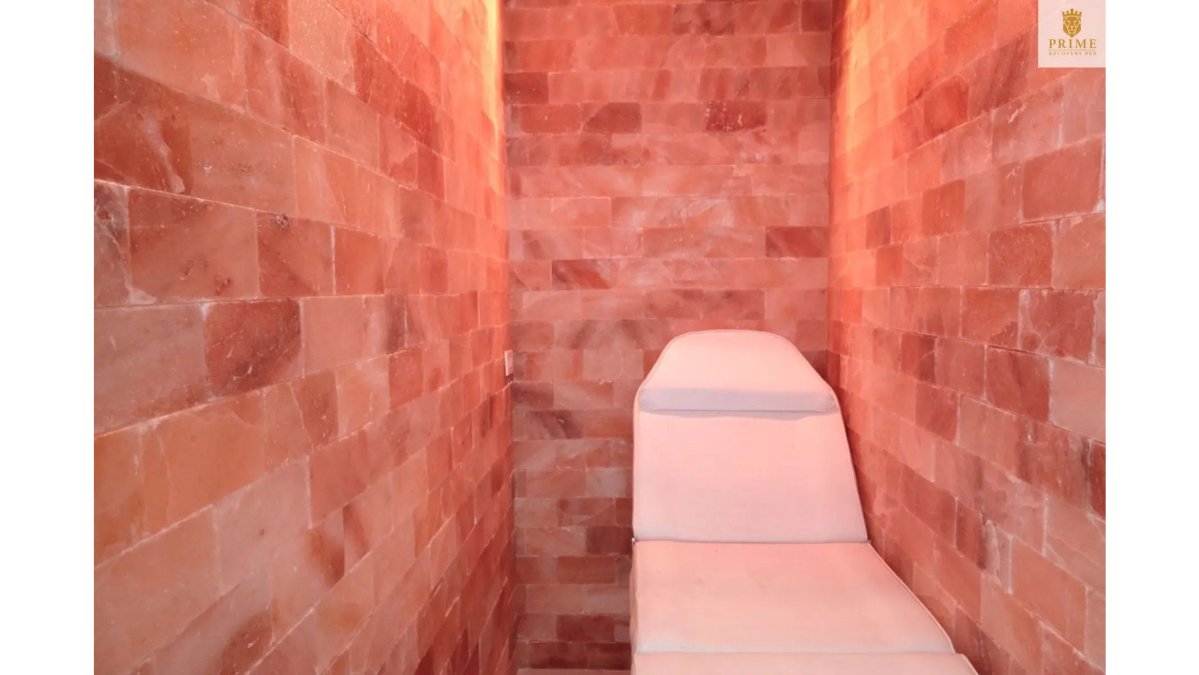
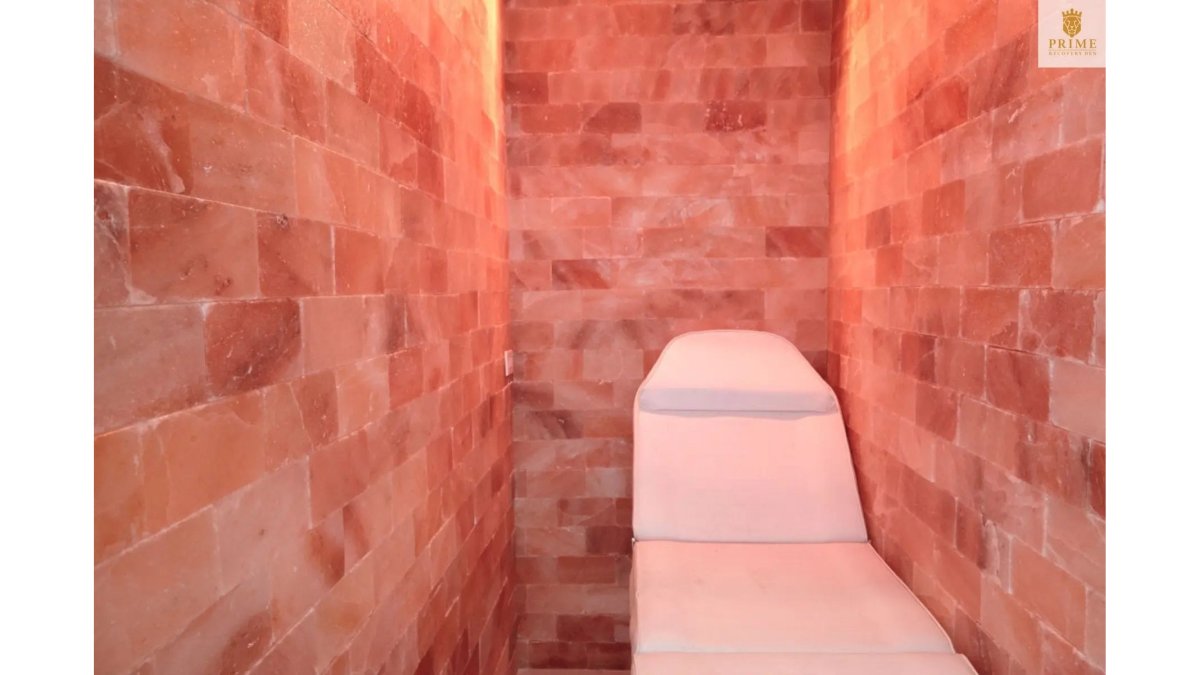
Salt is where a good wellness room becomes memorable. When gently heated, Himalayan salt releases negative ions that help purify the air and reduce airborne allergens, and the warm amber glow turns a functional sauna into a spa-caliber retreat.
Large Salt Room 16' x 16' Surface Area →

Light, Air, and Acoustic Insulation: The Invisible Systems
Light, air, and sound are the systems nobody photographs and everybody feels. Circadian lighting that shifts warm in the evening supports the wind-down you bought the room for. Air purification keeps a humid space from feeling stale. Acoustic insulation stops the chiller hum from reaching the bedroom above.
Maintenance and Operating Costs of a Luxury Home Wellness Center
Maintenance and operating costs determine whether the room stays a pleasure or becomes a chore. The useful version breaks upkeep into four recurring buckets, water care, wood and salt care, filtration and ventilation, and energy, and gives each one a rhythm.
A Realistic Upkeep Calendar
| Frequency | Task | Applies To |
|---|---|---|
| 2-3x per week | Test sanitizer and pH | Cold plunge |
| Weekly | Skim, check filter | Cold plunge |
| Every 2-4 weeks | Rinse filter media | Cold plunge |
| Monthly | Inspect salt mortar lines and channel mounts | Salt room / salt wall |
| Monthly | Check ventilation and air filters | Whole room |
| 1-2x per year | Clean and re-oil high-touch wood | Sauna |
| Per manufacturer | Replace filters, sanitizer media | Plunge, air system |
| Ongoing | Keep salt dry; leave sauna door open after use | Salt, sauna |
The first year feels heavier than later years because you are learning the room's rhythms. Once the calendar is set, upkeep becomes background noise, and the room keeps feeling like a retreat instead of a second job.
ROI and Property Value Impact
- Permanence. A sauna built into the structure, a plunge on a reinforced slab with a dedicated drain, and a salt wall mounted to a finished wall all read as part of the house. A freestanding plunge on a garage floor with an extension cord reads as a hobby, and buyers price hobbies as something they will have to remove.
- Finish quality. Consistent materials, proper lighting, and clean detailing signal that the room was designed, not assembled. Buyers notice whether the salt wall glows evenly, whether the sauna benches are finished on all sides, and whether the ventilation is visible or hidden.
- Clarity of purpose. A room that obviously does one thing well, thermal recovery, or a salt-and-calm retreat, is easier for a buyer to value than a multipurpose space that does several things poorly.
A note on over-personalization. A wellness room can hurt value when it is so specific to the current owner that a buyer cannot imagine using it. A salt room, a sauna, and a plunge are broadly legible, most buyers understand what they are for. A highly customized layout that removes a bedroom or blocks a sightline is not. Build the room so the next owner can walk in and immediately understand what they are getting.
Frequently Asked Questions
What are the essential components of a luxury home wellness center?
Most luxury home wellness centers combine five zones: a thermal therapy area with a sauna or steam room, a cold plunge, a meditation or mindfulness space, a halotherapy or salt room, and a recovery lounge. Supporting systems matter as much as the fixtures, including air purification, circadian lighting, and acoustic insulation. A 16 by 16 foot salt room package from Prime Recovery Den, for example, covers 256 square feet and releases negative ions when heated, giving a dedicated room a spa-caliber atmosphere without a commercial build-out.
What are the benefits of home sauna and cold plunge use?
Sauna and cold plunge work as a pair. Heat raises circulation and promotes relaxation, while a cold plunge constricts blood vessels and sharpens alertness. Alternating the two is a common recovery routine among athletes and fitness enthusiasts. Himalayan salt walls add another layer: when heated, the salt releases negative ions that support air purification, which pairs naturally with a sauna or steam session. The practical payoff is a consistent, private recovery ritual you can run on your own schedule instead of driving to a gym or spa.
How much space is required for a professional-grade home wellness center?
A single-room setup can work in roughly 100 to 150 square feet if you combine a sauna and cold plunge. A full multi-zone center typically needs 400 to 600 square feet to separate wet, dry, and lounge areas. Salt features scale to fit: Prime Recovery Den sells a 4 by 4 foot Himalayan salt room kit covering 16 square feet for a sauna upgrade, up to a 16 by 16 foot package for a dedicated halotherapy room. Measure ceiling height first, since saunas and steam rooms need clearance for venting.
How do you balance aesthetics and functionality in home recovery room design?
Start with function, then layer the finish. Drainage, ventilation, and electrical loads decide where equipment can go; the visible materials decide how the room feels. Choose warm woods, stone, and backlit salt walls over gym-grade rubber and chrome if you want a residential look. Prime Recovery Den's Prosaunas salt wall kits slide 2-inch salt bricks into a stainless-steel channel with dotless LED strips, so you get a spa-quality centerpiece that still installs like a standard wall feature.
How much does it cost to maintain a home wellness center?
Ongoing costs come from three places: electricity for sauna heaters and cold plunge chillers, water treatment and filter replacement, and occasional service on pumps or LED drivers. Chillers and heaters draw the most power, so running them on a schedule rather than continuously keeps bills predictable. Salt walls and salt room kits need almost no upkeep beyond keeping humidity in range, since the tiles are durable and hold their color. Budget for a service visit once a year and you will avoid most surprise failures.
Does a luxury home wellness center increase property value?
It can, but the return depends on how integrated the build is. A permanent, well-ventilated sauna or salt room reads as a structural upgrade to appraisers and buyers, similar to a finished basement or home gym. Freestanding cold plunges and portable units add appeal but rarely appraise as fixed assets. Buyers in the current market respond to turnkey wellness spaces, so documenting the build, warranties, and equipment specs helps you defend the value at resale.

Leave a comment
This site is protected by hCaptcha and the hCaptcha Privacy Policy and Terms of Service apply.