

DIY Cold Plunge vs Pre-Made Tubs: Materials & Setup
Last Updated: October 25, 2026
Quick Summary
DIY cold plunge materials include rotomolded plastic, fiberglass, acrylic, and stock tank conversions, each balancing durability, insulation, and cost differently. Rotomolded plastic and fiberglass shells offer superior insulation and durability, while stock tanks provide budget options requiring more assembly work.
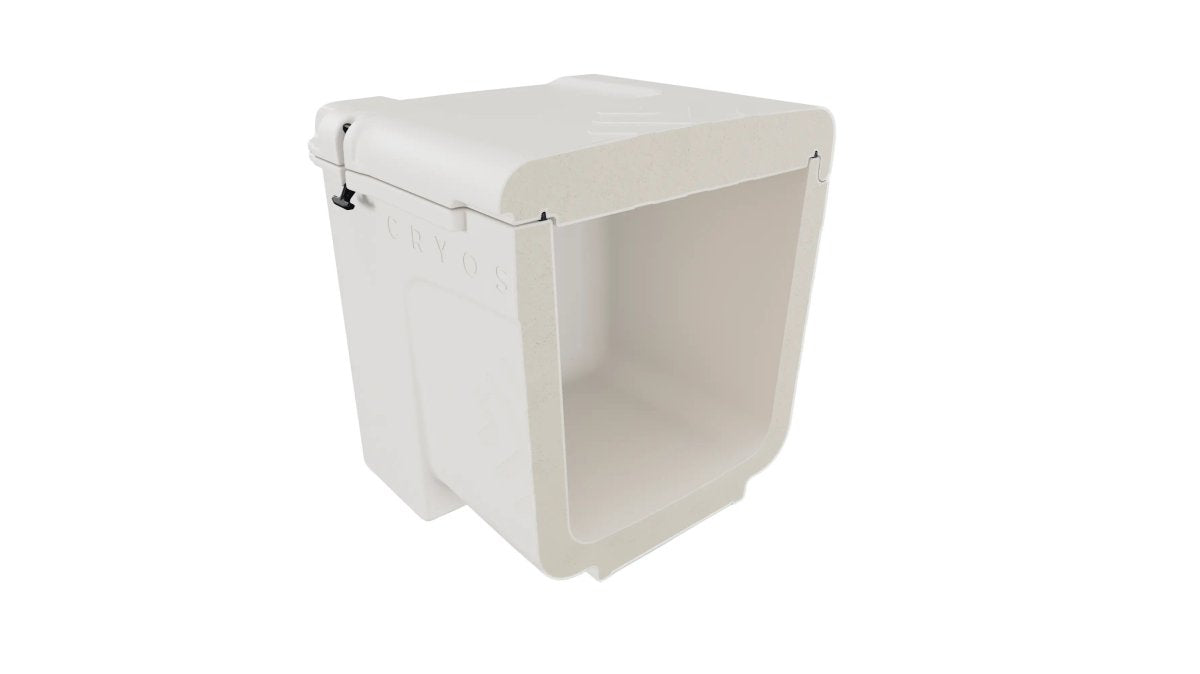
- Rotomolded plastic accommodates up to 4.5 inches of closed-cell foam insulation for better heat retention
- Stock tank conversions cost under 1,000 dollars but lack built-in insulation and drainage ports requiring custom fabrication
- Fiberglass liners resist algae naturally and require minimal maintenance compared to vinyl or acrylic options
- Pre-made shells like the Barton 150-Gallon arrive fully insulated with chiller ports, reducing assembly to 2-3 hours
- Acrylic shells like the RevX X Tub offer 34 inches of depth for full submersion and precise temperature control from 34°F to 104°F
Table of Contents
- DIY Cold Plunge Materials: Shell Options Compared
- Cold Plunge Tub Insulation: Thickness and Performance
- Cold Plunge Tub Liner Options: Durability and Maintenance
- DIY vs Pre-Made: Cost Breakdown and Total Ownership
- Assembly, Installation, and Setup Requirements
- Cooling Methods: Ice, Chillers, and Heat Retention
- Choosing Your Material and Building Your Cold Plunge
- Frequently Asked Questions
DIY Cold Plunge Materials: Shell Options Compared
Building a DIY cold plunge tub starts with the shell material, which determines durability, insulation, maintenance, and appearance. A poor choice can leave you with a tub that cracks under temperature stress or needs constant upkeep.
The best DIY cold plunge materials balance durability, insulation, ease of assembly, and long-term cost. The most practical shell options: rotomolded plastic, fiberglass, acrylic, and stock tank conversions.
Rotomolded Plastic and Fiberglass Shells
Rotomolded plastic shells are formed by rotating a resin-filled mold into a seamless, impact-resistant structure that resists cracking under freeze-thaw cycles. Fiberglass shells layer fiberglass cloth with resin for a stronger, more rigid surface.
Both excel at holding insulation: rotomolded plastic accommodates up to 4.5 inches of closed-cell foam, fiberglass 2-3 inches. The Barton 150-Gallon Cold Plunge Tub features rotomolded construction with 4.5 inches of built-in insulation, making it ideal for a chiller-ready tub without assembly complexity, with better heat retention, lower cooling costs, and faster temperature recovery.

Fiberglass interiors provide a smooth, hygienic surface that resists algae better than porous materials. The 1-Person ThermoWood Cold Plunge Tub pairs a fiberglass interior with a ThermoWood exterior for both performance and aesthetic appeal.
Both cost more upfront than stock tanks but arrive ready to use or need minimal assembly. For a permanent backyard installation, the durability and insulation justify the investment.
Acrylic vs Porcelain Tub Materials
Acrylic shells offer exceptional depth and design flexibility. The RevX X Tub features 34 inches of depth with 3-inch foam insulation, allowing full above-the-shoulder submersion. Acrylic is lightweight, easy to customize, and maintains temperature well when insulated, with a smooth surface that resists bacteria and cleans easily.
For serious builders, acrylic wins when depth and temperature precision matter. The RevX X Tub with its 1.5 HP chiller delivers precise control (34°F to 104°F), ideal for athletes who need consistency session to session.
Stock Tank Cold Plunge Conversions
A livestock stock tank, typically galvanized or stainless steel, can be converted into a functional cold plunge for under 1,000 dollars in materials. Stock tanks are durable, widely available, and require minimal fabrication.
The catch: stock tanks lack insulation. You'll need to wrap the exterior with rigid foam board and seal it with weatherproof cladding. Without it, your chiller works harder and longer to maintain cold water.
Stock tanks also lack drainage and filtration ports. You'll fabricate these yourself, drilling holes, installing valves, and plumbing by hand. It's doable but demands basic metalworking skills.
Stock tanks excel as a budget entry point or secondary plunge for occasional use. For primary recovery setups, the assembly complexity and insulation limits make purpose-built shells more practical.
Wood Barrel and Hybrid Designs
Wooden barrel cold plunges, typically cedar or thermowood, deliver aesthetic warmth that complements sophisticated homes. The 1-Person ThermoWood Cold Plunge Tub exemplifies this: Scandinavian ThermoWood cladding is naturally moisture-resistant, handcrafted in Lithuania, and arrives fully assembled.
The appeal is clear: wood looks intentional and restorative in a way plastic or acrylic doesn't. Stepping into a wooden tub feels like a private spa retreat rather than a fitness tool, which matters for homeowners designing a sophisticated recovery sanctuary.
The trade-off is temperature control. Without a chiller, you depend on ice or passive cooling, limiting how cold you can get and for how long.
Hybrid designs combine wood cladding with fiberglass or acrylic interiors, offering wood's aesthetic with modern durability. They cost more but deliver both beauty and performance.
Cold Plunge Tub Insulation: Thickness and Performance
Insulation thickness determines how much energy your chiller expends to maintain cold water. Minimal insulation forces the chiller to run constantly, raising electricity costs and shortening equipment lifespan. Thicker insulation means lower operating costs and more stable temperature.
The Barton 150-Gallon Cold Plunge Tub delivers 4.5 inches of closed-cell foam, among the highest in pre-made options. Closed-cell foam resists water absorption and maintains R-value over time.
The RevX X Tub uses 3-inch foam insulation paired with a 1.5 HP chiller, balancing insulation with equipment power to keep water temperature stable outdoors during fluctuations.
If you're building from a stock tank, aim for a high total insulation value, typically 4-5 inches of rigid foam board.
Cold Plunge Tub Liner Options: Durability and Maintenance
The liner contacts your skin and holds the water, so material choice affects comfort and maintenance.
Fiberglass liners are smooth, hygienic, and resist algae naturally, requiring minimal chemicals and cleaning easily with a soft brush. Learn how to avoid common water maintenance mistakes that affect liner longevity and tub performance.
Acrylic liners feel smoother and warmer than fiberglass and are easier to repair. For premium setups like the RevX X Tub, the investment pays off in comfort and durability.
The best approach: match your liner to your shell material. Fiberglass shells with fiberglass liners create a cohesive system. Acrylic shells with acrylic liners do the same. This ensures compatibility and longevity. Water quality guidelines for residential pools and spas recommend proper liner maintenance to prevent bacterial growth and maintain water clarity.
| Liner Material | Durability | Maintenance | Comfort | Cost |
|---|---|---|---|---|
| Fiberglass | Excellent (5-10 years) | Low (brushing, chemicals) | Good (smooth) | Moderate |
| Acrylic | Excellent (7-12 years) | Moderate (resealing needed) | Excellent (warmest) | Higher |
| Vinyl | Fair (2-4 years) | High (prone to cracking) | Fair (becomes brittle cold) | Low |
| Stainless Steel | Exceptional (15+ years) | Low (durable) | Poor (conducts cold fast) | Very High |
DIY vs Pre-Made: Cost Breakdown and Total Ownership
A DIY stock tank cold plunge costs 800-1,200 dollars in materials but demands 20-30 hours of labor for insulation, plumbing, and finishing, plus tools you may not own.
A pre-made rotomolded tub like the Barton 150-Gallon Cold Plunge Tub costs 2,499 dollars but arrives fully insulated, with chiller ports molded in and an equipment housing ready.
Barton 150-Gallon Cold Plunge Tub, Insulated DIY Ice Bath, Chiller-Ready →
The FCP Premium 2XL 148-Gallon Cold Plunge Tub with chiller, pump, and filtration included runs 899.97 dollars, an exceptional value for a complete system that eliminates sourcing components and troubleshooting compatibility.
Premium fiberglass or acrylic tubs with integrated chillers (like the RevX X Tub at 7,500 dollars or the Icetubs IceBarrel at 10,499.97 dollars) cost the most upfront but deliver turnkey performance, app-based temperature control, and minimal maintenance.
Total cost of ownership over 10 years factors in:
- Initial purchase or build cost
- Chiller electricity
- Maintenance and repairs
- Replacement liners or resurfacing
Assembly, Installation, and Setup Requirements
Where you place your cold plunge matters as much as what you build. The surface must be level and load-rated; a filled 150-gallon tub weighs over 1,200 pounds.
Indoor placement requires concrete flooring, a nearby drain, and outlets for your chiller; ensure its electrical requirements match your home's service.
Assembly of pre-made tubs typically involves:
- Positioning the tub on a level, reinforced surface
- Installing the drain valve and filtration ports
- Connecting the chiller unit (if separate)
- Running water lines and electrical
- Filling and testing for leaks
This process takes 3-6 hours for a complete setup. The Barton 150-Gallon Cold Plunge Tub includes an equipment housing and pre-drilled ports, which simplifies this process significantly. OSHA guidelines for safe installation of residential water systems recommend proper grounding and electrical safety when connecting chiller units.
DIY stock tank conversions add steps: wrapping insulation, installing custom drain and chiller ports, sealing exterior cladding, and plumbing connections.
The 1-Person ThermoWood Cold Plunge Tub eliminates assembly almost entirely, arriving fully assembled with stairs included. You position it, fill it, and begin plunging, appealing to homeowners who want recovery without DIY complexity.
Cooling Methods: Ice, Chillers, and Heat Retention
Three primary cooling methods exist: ice, passive chillers, and active electric chillers.
Ice cooling is simplest: add ice directly to the water. Ice melts quickly, so you replace it every 2-3 sessions. This is practical for occasional plunges but not daily routines.
Passive chillers (like the 1-Person ThermoWood Cold Plunge Tub) rely on ambient temperature. Winter air naturally cools water, but summer limits you to whatever passive cooling the environment provides.
Active electric chillers are the industry standard for consistent performance.
The FCP Premium 2XL's 1/3 HP chiller balances cooling speed with electricity costs, practical for most home users.
Heat retention depends entirely on insulation. A poorly insulated tub loses temperature per hour idle; a well-insulated tub (4+ inches of foam) loses less.
The Icetubs IceBarrel combines a 3-stage filtration system with an ozonator that cleans water every six minutes, reducing chemical needs. Its app-based control lets you set precise ranges (37.4°F to 100.4°F), ideal for athletes tracking recovery metrics.
Choosing Your Material and Building Your Cold Plunge
Start by asking yourself three questions:
What's your primary use case? Daily athletic recovery demands a chiller-equipped system with precise temperature control. Occasional wellness plunging can work with ice or passive cooling. Hosting sessions for friends or family calls for larger capacity and faster cooling.
How much space do you have? A 150-gallon tub occupies roughly 86 by 33 inches of floor space.
What's your aesthetic priority? If your cold plunge sits in a visible part of your home or yard, material and finish matter.
What's your budget? Budget-conscious builders choose stock tank conversions or the FCP Premium 2XL. Mid-range buyers invest in rotomolded shells like the Barton.
The emotional payoff of a well-built cold plunge is substantial. Regular cold immersion creates a feeling of control and resilience, building mental toughness through deliberate discomfort.
Prime Recovery Den's cold plunge options, from the DIY-ready Barton to the fully integrated Icetubs IceBarrel, are designed to transform your home into a recovery sanctuary.
Building a DIY cold plunge is an investment in your recovery and your home's value.
Frequently Asked Questions
What is the cheapest way to build a DIY cold plunge?
Stock tanks and livestock troughs offer the lowest entry cost for a DIY cold plunge shell. You'll add insulation, a liner, and cooling separately. The FCP Premium 2XL at $899.97 includes chiller, pump, filtration, and insulation as a complete budget-friendly kit. Budget another $200-500 for ice or a basic chiller if you choose the stock tank route.
Which material is best for a DIY cold plunge tub?
The best material depends on your priorities. Rotomolded plastic and fiberglass are durable, affordable, and easy to insulate. Acrylic offers aesthetic appeal and smooth surfaces but costs more. Stock tanks are budget-friendly but require significant waterproofing and liner work. Wood barrels provide a sophisticated look but demand more maintenance. For most DIY builders, rotomolded plastic with closed-cell foam insulation balances cost, durability, and performance.
Does a cold plunge tub need insulation?
Yes. Insulation is critical for heat retention and energy efficiency. Uninsulated tubs lose temperature rapidly, forcing your chiller to run constantly and driving up electricity costs. Closed-cell foam insulation (3-4.5 inches) minimizes heat loss significantly. The Barton tub includes up to 4.5 inches of closed-cell insulation, and the RevX X Tub features 3-inch thick foam walls. Even DIY builds using stock tanks benefit from adding rigid foam board or spray foam around the shell.
Is a stock tank suitable for a cold plunge?
Yes, stock tanks work for cold plunges when properly prepared. They're affordable and durable, but require a liner and added insulation. Stock tanks lack the built-in chiller ports and equipment housings of purpose-built tubs, so you'll need to custom-fit cooling equipment. They suit budget-conscious DIY builders willing to invest time in setup; pre-made options like the FCP Premium 2XL offer faster installation and integrated systems.
What is the difference between acrylic and porcelain for a cold plunge tub?
Acrylic is lightweight, easier to customize, and better for deep immersion designs like the RevX X Tub's 34-inch depth. It insulates well and accepts adjustable jets. Porcelain is harder and more scratch-resistant but heavier. For cold plunges, acrylic is typically preferred because it maintains temperature better, supports deeper designs, and works well with integrated chiller systems. Fiberglass interiors (like the ThermoWood tub) offer a smooth, hygienic middle ground.



Leave a comment
This site is protected by hCaptcha and the hCaptcha Privacy Policy and Terms of Service apply.