

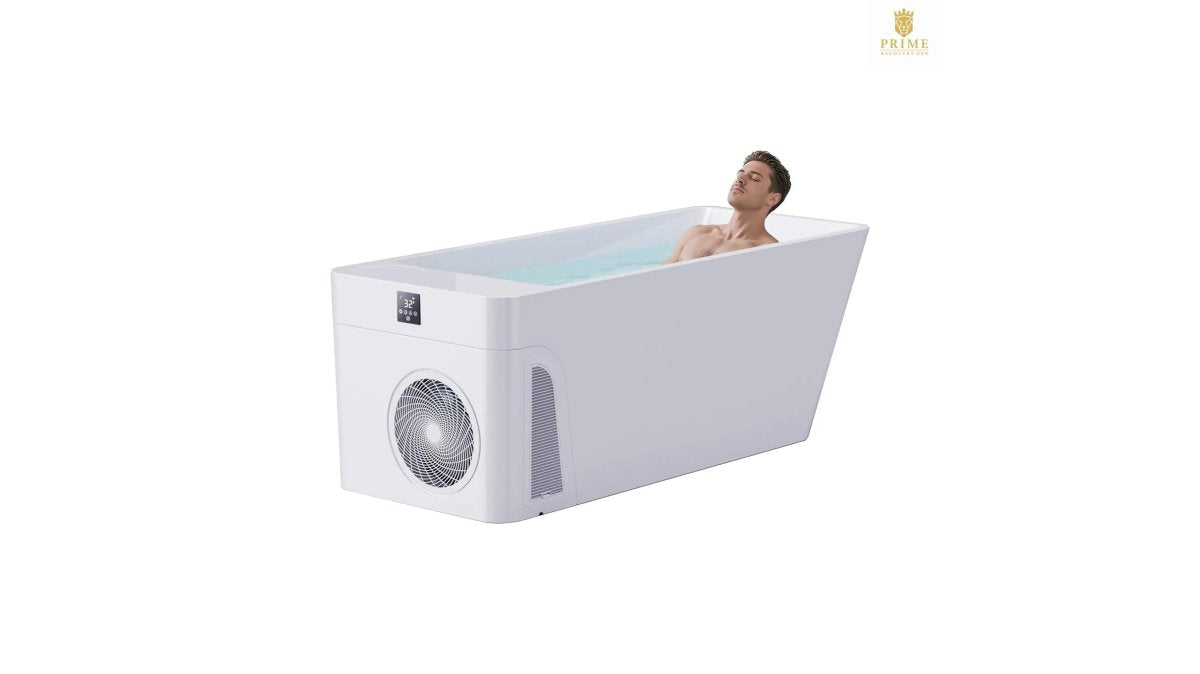
7 Cold Plunge Water Mistakes That Cloud Your Tub
Last Updated: October 24, 2026
Quick Summary
Maintain cold plunge water by testing it at least twice a week for pH, alkalinity, and sanitizer, cleaning the filter every one to two weeks, and changing the water every two to four weeks for a home tub. Showering before each plunge and keeping the cover on between sessions also slow cloudiness.
- Test pH, alkalinity, sanitizer, and clarity with a strip in under a minute.
- Clean the filter every one to two weeks and replace cartridges monthly for typical home use.
- Change water every two to four weeks, or weekly for shared and commercial setups.
- Drain immediately if you see mold, biofilm, or persistent chemical odors.
- Showering before plunging is the highest-impact habit for protecting water quality.
Table of Contents
- Why Cold Plunge Water Turns Cloudy So Fast
- Cold Plunge Water Testing: The Numbers to Watch
- Cold Plunge Filter Cleaning and Replacement
- Cold Plunge Water Treatment Options That Work
- How Often to Change Cold Plunge Water
- Bather Habits That Protect Water Quality
- Troubleshooting Cloudy, Slimy, or Smelly Water
- Choosing a Cold Plunge Built for Clean Water
- Frequently Asked Questions
Why Cold Plunge Water Turns Cloudy So Fast
Cloudy cold plunge water comes from three things: body oils, sweat, and debris that the filter cannot catch fast enough. Cold water does not stop contamination. It slows the growth of some organisms, then the chiller keeps recirculating whatever is already in the tub.
That is the mistake most owners make. They assume cold water stays clean on its own.
Here is what most guides get wrong: the problem is rarely the chiller. It is the balance between how much you use the tub and how much filtration and treatment you give it.
A few habits drive cloudiness faster than anything else:
- Getting in sweaty or without showering
- Leaving the cover off between sessions
- Skipping filter rinses for weeks
If you want the full picture of what a plunge really costs to own, home cold plunge cost breaks down the numbers before you commit.
Cold Plunge Water Testing: The Numbers to Watch
Test your cold plunge water at least twice a week, and after any heavy session. Testing is the only way to know what is building up before you can see it.
Cold plunge water testing covers four basics: pH, alkalinity, sanitizer level, and clarity. A simple test strip handles all four in under a minute. But the numbers only help if you know what to do with them.
Target Ranges for a Home Cold Plunge
These are the ranges most residential cold plunge owners and manufacturers work toward. Always defer to your tub's manual for model-specific targets.
| Measurement | Target Range | Why It Matters |
|---|---|---|
| pH | 7.2-7.8 | Sanitizers work best near neutral; low pH corrodes parts, high pH clouds water |
| Total alkalinity | 80-120 ppm | Buffers pH so it does not swing between tests |
| Free chlorine | 1-3 ppm | Kills bacteria and viruses; too low invites growth, too high irritates skin |
| Bromine | 3-5 ppm | Alternative sanitizer for sensitive skin |
| Hydrogen peroxide | 30-50 ppm (varies by system) | Oxidizer level for peroxide-based tubs |
If you use ozone or UV as your primary sanitation, you still need a residual sanitizer reading, ozone and UV treat water as it passes through the system but leave no protection in the tub itself.
A Repeatable Testing Routine
- Collect the sample, dip the strip about elbow-deep, away from the return jet, and hold it still for the time on the label.
- Read in order, compare the strip to the chart immediately; colors fade as the strip dries.
- Log the numbers, a notes app or a whiteboard by the tub works. Patterns emerge fast: a pH that creeps up every week points to a different fix than one that crashes.
- Adjust in small steps, dose half of what the label suggests, circulate for a few hours, and retest before adding more.
When to Test More Often
- After a session with multiple bathers
- After heavy rain if your tub is outdoors
- Any time water looks, smells, or feels different
For general water chemistry guidance, the CDC guidance on recreational water is a solid reference for what healthy water looks like.
A tub with built-in monitoring takes the guesswork out of this routine. The CSC Smart Cold Plunge Tub with Built-In Chiller, App Control & Dual Filtration lets you check temperature and settings from your phone, so you can spot a drifting reading before it becomes a cloudy tub.

Cold Plunge Filter Cleaning and Replacement
Clean your cold plunge filter every one to two weeks, and replace the cartridge on the manufacturer's schedule. A clogged filter is the single most common cause of hazy water.
Here is the routine we recommend:
- Unplug the chiller or switch it off.
- Pull the cartridge and rinse it with a garden hose, top to bottom.
- Soak it in filter cleaner for the time the label states.
- Rinse again until the water runs clear.
- Reinstall and restart circulation.
Replacement timing depends on use. A home tub with a few sessions a week usually needs a new cartridge monthly.
Cold Plunge Water Treatment Options That Work
Cold plunge water treatment falls into three buckets: filtration, chemical sanitizing, and supplemental oxidizers. You need filtration plus at least one sanitizing method. The rest is optional.
Ozone, Hydrogen Peroxide, and What They Do
Ozone is a gas injected into the water that oxidizes contaminants and then dissipates. It leaves no residue, which is why many premium tubs build it in.
Hydrogen peroxide is a gentler oxidizer that breaks down organics without the chlorine smell. It suits owners who want fewer chemicals on their skin.
A quick comparison:
CSC Smart Cold Plunge Tub with Built-In Chiller, App Control & Dual Filtration →
| Method | What It Does | Best For | Watch Out For |
|---|---|---|---|
| Filtration | Traps particles and oils | Every tub | Needs regular cleaning |
| Ozone | Oxidizes contaminants, no residue | Built-in systems | Requires the generator to work |
| Hydrogen peroxide | Breaks down organics gently | Chemical-sensitive users | Needs consistent dosing |
| Chlorine or bromine | Kills bacteria | Shared or high-use tubs | Smell and skin dryness |
Never mix treatment methods without checking compatibility. Some sanitizers cancel each other out.
How Often to Change Cold Plunge Water
Change cold plunge water every two to four weeks for a home tub, and weekly for a shared or commercial setup. How often to change cold plunge water depends on bather load more than anything else, but the right interval also depends on your setup.
Maintenance Schedules by Setup
| Setup | Filter Cleaning | Water Change | Extra Notes |
|---|---|---|---|
| Unfiltered tub (no pump) | N/A, skim daily | Every 3-7 days | Small volume fouls fastest; drain is your only reset |
| Filtered tub, 1-2 users | Every 1-2 weeks | Every 3-4 weeks | Cartridge replacement monthly |
| Filtered tub, daily or multi-user | Weekly | Every 2 weeks | Cartridge replacement every 2 weeks |
| Ozone-equipped tub | Every 2 weeks | Every 3-4 weeks | Ozone reduces oxidizer demand but does not replace draining |
| Chest freezer build | Weekly (if filtered) | Every 1-2 weeks | Small volume, high bather load per gallon; test often |
A common pattern: owners with a filtered, covered tub and one or two users stretch to four weeks comfortably. Owners with an unfiltered or chest-freezer build who try to stretch past a week usually end up fighting cloudiness.
Bather Load: The Hidden Variable
Two people using a tub daily contaminate it far faster than one person using it twice a week. A rough rule: each bather session adds roughly the contamination of a short shower, sweat, skin cells, lotion, and hair products. Multiply that by sessions per week and match your drain interval to the total, not the calendar.
Signs It Is Time to Drain and Refill
- Water stays cloudy after a filter change
- A slimy film coats the tub interior
- The smell turns musty or sharp
When to Stop Using the Tub and Drain Immediately
Some water problems are a maintenance nuisance; others are a health risk. Drain, disinfect, and refill, and do not use the tub in the meantime, if you notice:
- A strong, persistent chemical or sewage-like odor
- Visible mold or a thick biofilm layer on walls or jets
- Skin irritation, rashes, or eye burning after use
How to Drain and Refill Without Recontaminating
- Hook up a hose and drain away from plants and storm drains.
- Wipe the tub interior with a soft cloth and a manufacturer-approved cleaner, skipping this step means you refill onto the same film.
- Rinse the walls and floor thoroughly.
- Refill and rebalance pH and alkalinity before adding sanitizer.
- Run the filter for a full cycle before the first plunge.
A tub designed for easy draining and refilling makes this routine feel like a reset rather than a chore. The Kohler Remedy Place 85-Gallon Cold Plunge Tub pairs UV filtration with 24/7 circulation and a filter-change indicator, so you always know when maintenance is due, owners describe the routine as calm and spa-like rather than a weekend project. And if you are adding filtration to an existing setup, the iCoolsport Compact XP Cold Plunge Chiller & Heater brings filtration and temperature control with a titanium heat exchanger built for standard sanitizers, so your drain interval stretches and your water stays clearer between changes.


Bather Habits That Protect Water Quality
Showering before you get in is the highest-impact habit you can build. It removes sweat, lotion, and skin oils before they ever reach the water.
Other habits that matter:
- Tie back long hair or wear a swim cap
- Never plunge in street clothes
- Keep the cover on between sessions
Bather load is the hidden variable. Two people using a tub daily contaminate it far faster than one person using it twice a week. Match your treatment schedule to your actual use, not the label.
Troubleshooting Cloudy, Slimy, or Smelly Water
Match the symptom to the fix before you drain the whole tub.
| Problem | Likely Cause | Fix |
|---|---|---|
| Cloudy water | Clogged filter or high organics | Clean filter, shock treat, retest |
| Green tint | Algae growth | Sanitize, scrub walls, check circulation |
| Slimy walls | Biofilm | Drain, scrub interior, refill |
| Musty smell | Stagnant water | Increase circulation, replace filter |
| Sharp chemical smell | Overdosing | Dilute, retest, dose smaller |
If two or more symptoms appear together, drain and start fresh. Chasing a biofilm problem with chemicals alone rarely works.
Choosing a Cold Plunge Built for Clean Water
The easiest water to maintain is the water your tub was designed to keep clean.
This is where the equipment choice pays off. A tub with dual filtration and a covered top stays clear with less effort.
Products worth a look:
- The CSC Smart Cold Plunge Tub with Built-In Chiller, App Control & Dual Filtration keeps water crystal clear with a dual filtration and sterilization system.
- The Kohler Remedy Place 85-Gallon Cold Plunge Tub pairs UV filtration with 24/7 circulation and a filter-change indicator, so you always know when maintenance is due. It brings a calm, spa-like presence to a room rather than a gym feel.
- Browse the full cold plunges collection to compare filtration features side by side.
What most buyers miss is that filtration is not a spec to skim. It is the difference between a tub you love and a tub that becomes a chore.
Frequently Asked Questions
How often should you change the water in a home cold plunge?
Most home setups need a full drain and refill every two to four weeks, depending on how often you plunge and how many people use the tub. A single daily user with a working filter can often stretch to four weeks. A household with several athletes, or a tub without a chiller and filtration system, may need a change every one to two weeks. If the water looks dull, smells off, or feels slick on the walls, change it sooner rather than later.
Is hydrogen peroxide safe for cold plunge water?
Hydrogen peroxide is used in some cold plunge routines as an oxidizer, and it breaks down into water and oxygen. The catch is that concentration matters, and too much can irritate skin or damage pump seals and filter media. Follow the dosing guidance from your tub or chiller manufacturer rather than guessing. If your tub uses a titanium heat exchanger, check compatibility first. For most homeowners, a filtration system plus a consistent sanitizer routine is simpler and easier to control than mixing chemicals by feel.
What should you do if cold plunge water looks cloudy?
Start with the filter. A clogged or worn cartridge is the most common cause of haze, so clean or replace it and run the circulation pump for a few hours. Check the water chemistry next, since high pH or low sanitizer levels let particles stay suspended. Wipe the waterline and interior walls with a soft cloth to remove biofilm. If the cloudiness returns within a day or two, drain and refill. Persistent cloudiness usually means the water is holding contamination the filter cannot clear.
Do you need to sanitize cold plunge water if it stays cold?
Yes. Cold temperatures slow bacterial growth but do not stop it, and body oils, sweat, and skin cells still enter the water every session. A sanitizer plus filtration keeps the water hygienic between changes. Showering before you get in removes a large share of the contamination before it reaches the tub. Pair that habit with regular filter cleaning and a treatment routine suited to your setup, and the water stays clear far longer.
Clean water is the difference between a plunge you look forward to and one you dread. If you are tired of cloudy tubs and constant draining, Prime Recovery Den can help you build a setup that stays clear with far less work. Our cold plunges combine built-in chillers, dual filtration, and app control so you can focus on recovery, not water chemistry. Get started with Prime Recovery Den and turn your space into a sanctuary that feels effortless every time you step in.


Leave a comment
This site is protected by hCaptcha and the hCaptcha Privacy Policy and Terms of Service apply.