
Cold Plunge vs Sauna for Stress Reduction in 2026
Table of Contents
- Cold Plunge vs Sauna: How Each Therapy Reduces Stress
- Head-to-Head Comparison: Cold Plunge vs Sauna for Stress Relief
- Optimal Duration for Cold Plunge Sessions
- Sauna Session Best Practices for Maximum Benefit
- Safety Considerations and Contraindications
- How to Build a Home Recovery Sanctuary
- Conclusion: Choosing the Right Therapy for Your Stress Profile
- Frequently Asked Questions
Last Updated: September 30, 2026
Cold Plunge vs Sauna: How Each Therapy Reduces Stress
The cold plunge vs sauna debate comes down to two opposite stressors that push your body toward the same goal: a calmer, more resilient nervous system. Cold immersion triggers vasoconstriction and a surge of norepinephrine; sauna heat triggers vasodilation and a deep parasympathetic drop.

Both are forms of hormetic stress, a small, controlled challenge that makes your body stronger. The difference is the direction of the stress and the recovery state it produces.
What Happens in Your Body During Cold Exposure
Cold water forces blood vessels to tighten, a process called vasoconstriction, which pushes blood toward your core. Your sympathetic nervous system fires, norepinephrine rises, and endorphins follow. The result is a sharp, alert calm that many people describe as mental clarity rather than drowsiness.
What Happens in Your Body During Heat Exposure
Sauna heat reverses the response. Blood vessels widen, heart rate climbs, and the autonomic nervous system shifts toward parasympathetic activation. Heat shock proteins rise, cortisol regulation improves, and muscles release tension. The feeling is heavy, warm, and deeply restful.
Head-to-Head Comparison: Cold Plunge vs Sauna for Stress Relief
Cold plunge wins for acute mental clarity and alertness; sauna wins for deep relaxation and cardiovascular conditioning. But the more useful way to compare them is by the stress pathway each one trains, because that is what determines whether the therapy actually lowers your baseline stress load over time.
| Outcome | Cold Plunge | Sauna |
|---|---|---|
| Primary stress pathway | Sympathetic activation, then HPA-axis recalibration | Parasympathetic shift, then cortisol clearance |
| Neurotransmitter signature | Norepinephrine surge, dopamine rise, endorphin follow-on | Endorphin release, oxytocin-adjacent calm, slow serotonin support |
| Cortisol response | Sharp spike, then faster return to baseline | Gradual drop, sustained lower evening cortisol |
| Mood effect | Alert, energized clarity | Relaxed, drowsy contentment |
| Blood flow | Vasoconstriction then rebound | Sustained vasodilation |
| Muscle recovery | Reduces soreness, swelling | Loosens tightness, eases stiffness |
| Best session length | 2-3 minutes | 15-20 minutes |
| Stress type it suits | Mental overload, anticipatory anxiety | Physical tension, burnout, sleep disruption |
| Adaptation timeline | 4-8 weeks of consistent use | 3-6 weeks of consistent use |
The Neurobiology of Stress Resilience: HPA Axis and Norepinephrine
Most comparisons stop at "cold wakes you up, heat calms you down." The deeper story is what each modality does to the hypothalamic-pituitary-adrenal (HPA) axis, the feedback loop that governs how quickly your body returns to baseline after a stressor.
Cortisol and Hormonal Response
Cold exposure raises cortisol briefly, then trains your system to recover faster. Sauna lowers cortisol more gradually and supports hormonal balance through heat shock proteins. Neither is "better" in isolation; the pattern matters more than the peak. A useful rule of thumb: if your cortisol curve is flat and low all day (burnout pattern), cold's sharp spike can be restorative.
Mental Clarity and Mood Enhancement
Cold plunge produces a fast norepinephrine lift that sharpens focus within minutes. Sauna's endorphin release builds a slower, warmer mood enhancement. If you need to think clearly before a meeting, cold wins. If you need to unwind after one, heat wins. For people managing anxiety specifically, cold's alerting effect can feel activating rather than calming in the first few sessions; starting with 30 to 60 seconds and pairing it with a slow breathing pattern is the common workaround.
Cardiovascular and Metabolic Effects
Both therapies stress the heart in a controlled way. Cold raises heart rate through vasoconstriction; heat raises it through vasodilation. Regular use of either supports cardiovascular health, blood flow, and metabolic rate over time. The cardiovascular load of a 2- to 3-minute cold plunge is roughly comparable to a brisk walk, while a 15- to 20-minute sauna session produces a sustained mild-cardio effect.
Matching the Modality to Your Stress Type
This is the decision most guides skip. Acute, cognitive stress (deadlines, difficult conversations, decision fatigue) tends to respond best to cold, because the alerting effect interrupts rumination and restores a sense of control. Chronic, physical stress (heavy training blocks, poor sleep, ongoing tension) tends to respond best to sauna, because the parasympathetic shift addresses the accumulated load rather than adding another spike.
Optimal Duration for Cold Plunge Sessions
The optimal duration for a cold plunge is 2 to 3 minutes at 39°F to 50°F for most people. Longer is not better; the stress response plateaus, and the risk of cold shock rises. Beginners should start at 30 to 60 seconds and build gradually.
Watch for these signals to end a session:
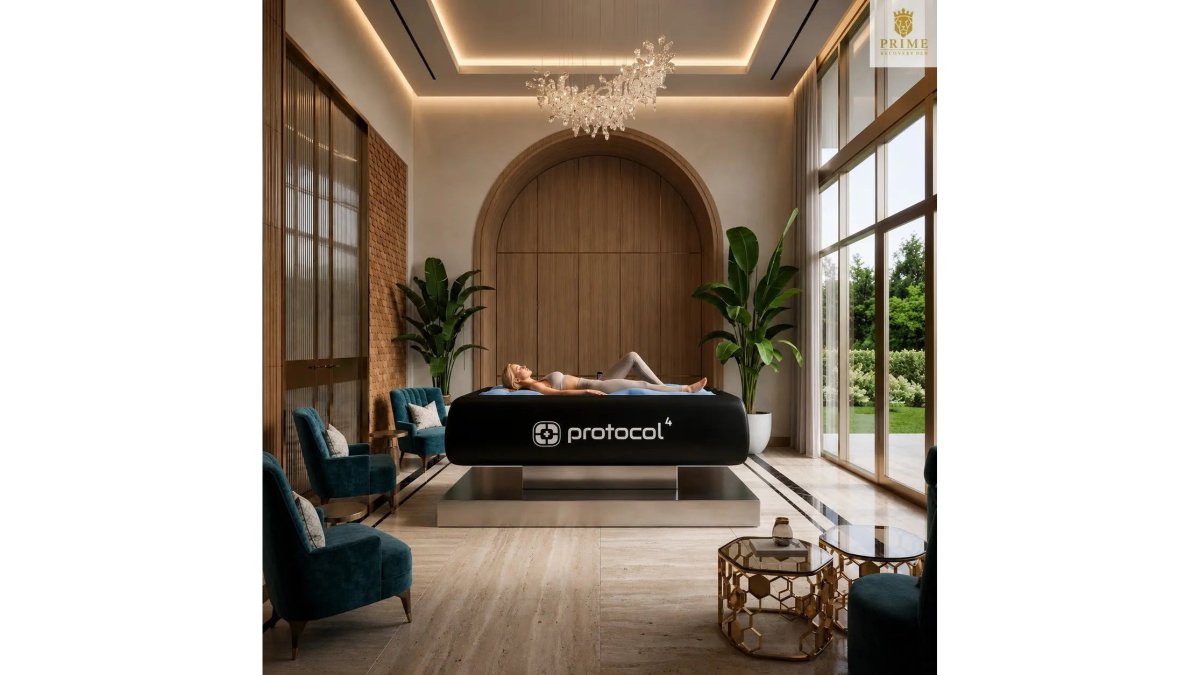
CryoCloud Recovery Bed – Dry Cold →
- Uncontrollable shivering that does not ease
- Numbness in fingers or toes
- Dizziness or a racing, uneven heartbeat
Sauna Session Best Practices for Maximum Benefit
Sauna session best practices start with 15 to 20 minutes at 160°F to 194°F, repeated in two to three rounds with a cool-down between. Hydrate before and after, and never drink alcohol beforehand. Sit upright to keep blood flow even, and exit if you feel lightheaded.
Safety Considerations and Contraindications
Cold plunge and sauna are generally safe for healthy adults, but both carry real contraindications, and the ones that matter most for stress-focused users are the ones most guides gloss over. If your goal is stress reduction, you are more likely than the average user to be managing a stress-related condition, so the safety conversation needs to be specific rather than generic.

Cold Plunge: Who Should Skip It or Modify It
Skip cold immersion entirely if you have Raynaud's phenomenon, uncontrolled high blood pressure, a known heart condition, or a history of cold urticaria. These are not "talk to your doctor first" situations; they are reasons to choose a different modality.
Sauna: Who Should Skip It or Modify It
Skip sauna if you are pregnant, have low blood pressure, or take medications that affect sweating (including many antidepressants and antipsychotics). Diuretics and sauna are a particularly poor combination because both drive fluid loss.
Universal Safety Rules for Both
- Never use either therapy alone in a remote space.
- Never combine either with alcohol or recreational drugs.
- Never push through dizziness, chest pain, nausea, or a headache that does not ease.
- Hydrate before and after sauna; hydrate before cold plunge and rewarm gradually after.
- If you take any prescription medication, check it against heat and cold exposure before your first session.
When to Talk to a Doctor First
Talk to your doctor before starting either therapy if you have cardiovascular disease, diabetes, any condition affecting thermal regulation, or any stress-related condition you are currently treating with medication. Bring the specifics: how long you plan to stay in, at what temperature, and how often. A doctor who knows the dose can give you a real answer; a doctor told only "I want to try a cold plunge" will default to caution.
How to Build a Home Recovery Sanctuary
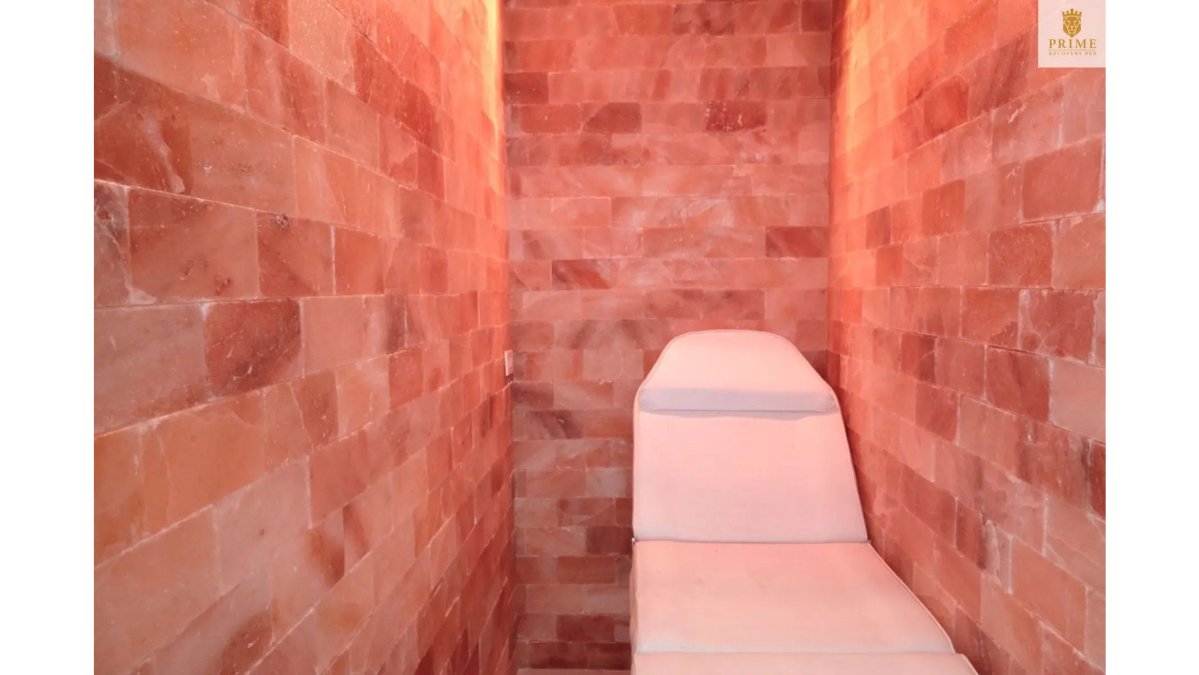
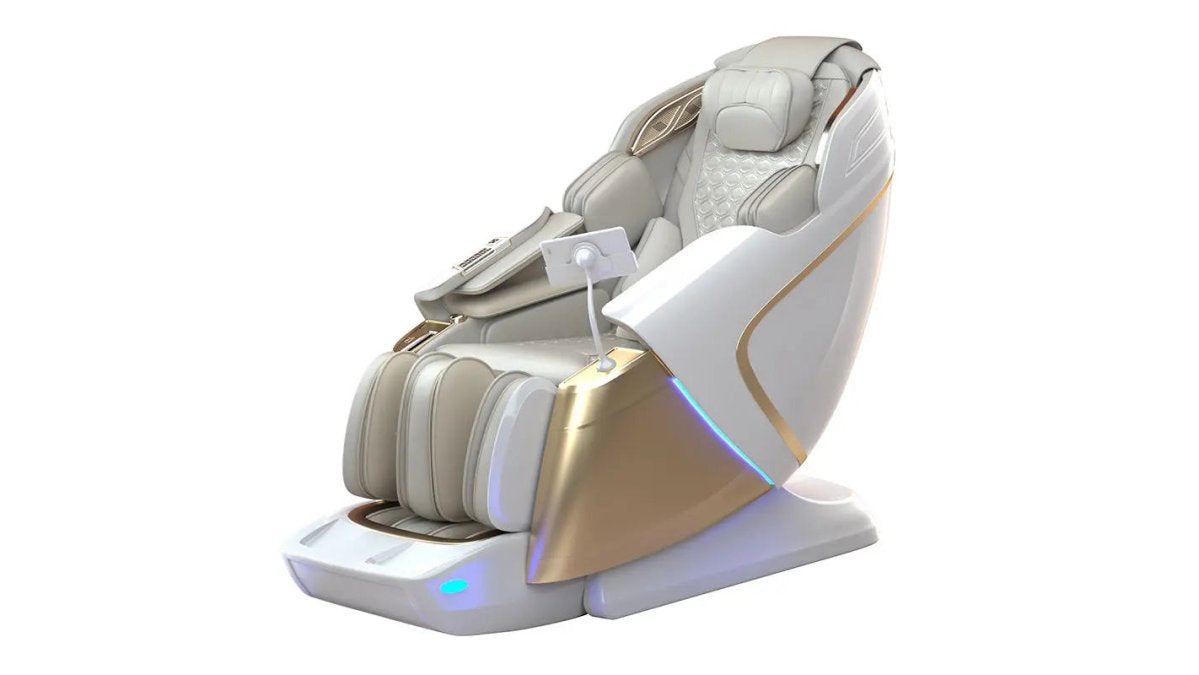
A home recovery sanctuary pairs one cold element with one heat element, placed where you will actually use them daily. The goal is a space that feels restorative, not clinical, so it fits your home rather than dominating it.
Conclusion: Choosing the Right Therapy for Your Stress Profile
Cold plunge and sauna reduce stress through opposite mechanisms, and the right choice depends on your stress type. If your stress shows up as mental overload and anxiety, cold immersion's alert clarity will serve you best. If it shows up as physical tension and burnout, sauna's deep relaxation is the better fit.
Frequently Asked Questions
Which is healthier, a sauna or an ice plunge?
Both offer distinct benefits. Cold plunge vs sauna depends on your goal. Cold plunges reduce inflammation, boost alertness, and build stress resilience through hormetic stress. Saunas improve cardiovascular health, promote relaxation, and support muscle recovery via vasodilation. Many people combine both for contrast therapy. The best choice is the one you will use consistently and safely.
Do cold plunges raise cortisol levels?
Cold exposure initially spikes norepinephrine and cortisol as part of the body's stress response. Over time, regular cold plunge practice can improve cortisol regulation and stress resilience. The key is controlled exposure: short sessions (1-3 minutes) at safe temperatures. Always consult a healthcare provider if you have cardiovascular conditions.
What is the 200 rule for saunas and cold plunges?
The 200 rule is a guideline suggesting a maximum of 200 total minutes per week across sauna and cold plunge sessions combined. For example, 20 minutes in the sauna 5 times per week equals 100 minutes, leaving 100 minutes for cold plunge. This helps prevent overtraining and allows your body to adapt without excessive stress.
Can combining sauna and cold plunge improve stress resilience?
Yes. Contrast therapy, alternating heat and cold, challenges your autonomic nervous system and promotes physiological adaptation. This can enhance heart rate variability, improve mood, and build stress resilience. Start with sauna first, then cold plunge, and always listen to your body. Prime Recovery Den offers dual-temp systems like the iCoolsport MiPod Pro that make contrast therapy seamless at home.
How does heat therapy impact the nervous system compared to cold exposure?
Heat therapy activates parasympathetic nervous system pathways, promoting relaxation and reducing cortisol. Cold exposure triggers sympathetic activation, releasing norepinephrine and endorphins for mental clarity and mood enhancement. Both support autonomic nervous system balance. Sauna session best practices include hydrating and cooling down gradually; cold plunge protocols emphasize controlled breathing and gradual acclimatization.

Leave a comment
This site is protected by hCaptcha and the hCaptcha Privacy Policy and Terms of Service apply.