

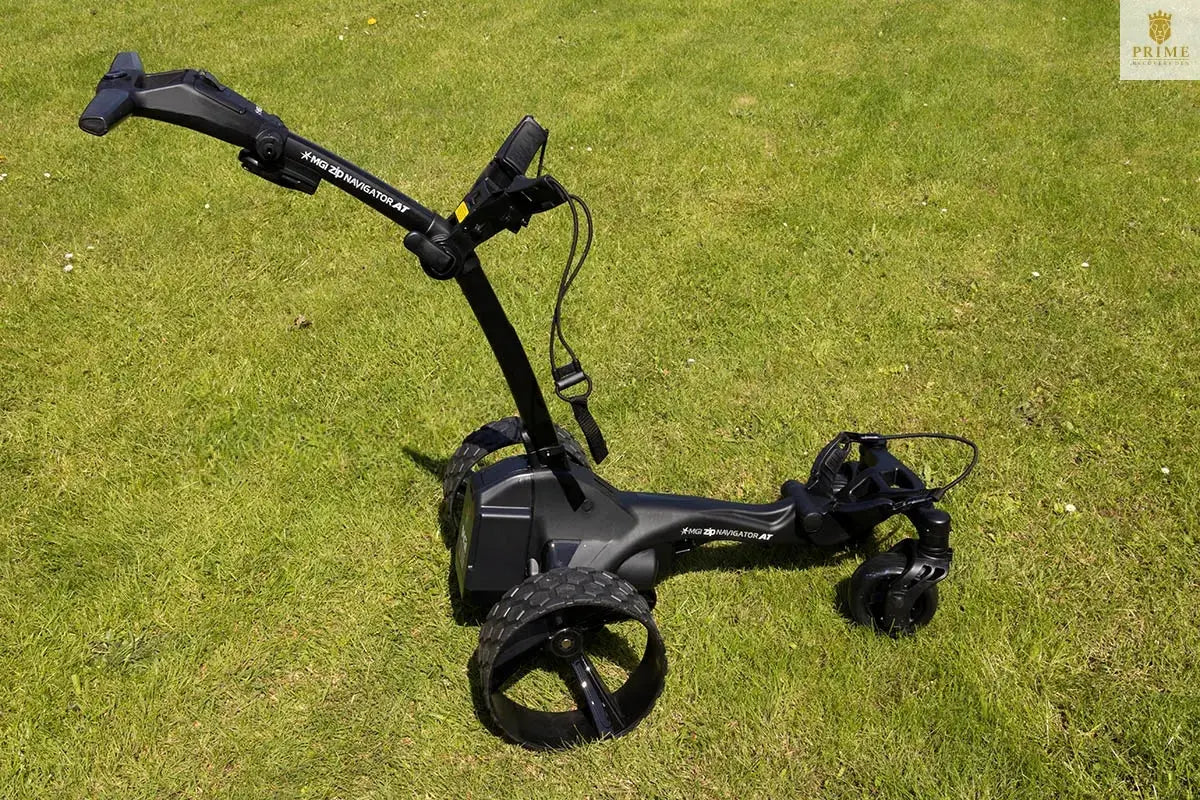
Choosing an electric golf caddy gets easier once the choice is framed around the round itself: hilly home course, tight trunk space, or a wish for less walking strain. This guide ranks the best electric golf push carts, then shows which features actually justify higher prices. Expect clear takeaways on hands-free convenience, remote functionality, follow feature options, battery range, and transport-friendly designs. A quick comparison upfront helps narrow the field fast, while the detailed reviews explain where premium tech is worth it and where a simpler cart is the smarter buy.
Best Electric Golf Push Carts: 2026 Buying Guide
The electric golf caddy category has matured enough that shoppers can now choose with intent instead of guessing. Some electric golf push carts are built for all-around reliability, some focus on best value, and others lean hard into follow you around convenience or compact size. That matters because the right cart depends on how often it will be loaded into a car, how much storage space is available at home, and how demanding the course terrain tends to be. In this guide, the rankings come first, then the feature trade-offs that separate a good buy from a great one. The goal is simple: help readers match an electric cart to their budget, course conditions, and comfort preferences without paying for extras that never get used.
Quick Picks at a Glance
If the decision needs to happen quickly, this section gives the short list by use case. The best overall pick balances stability, easy to use controls, and practical folded size. The best value option keeps the core electric assistance without inflating the price with premium add-ons. The best follow feature cart is for golfers who want the closest thing to a real caddie, while the best compact model is built for smaller trunks and lighter storage demands. These picks separate by terrain control, remote control quality, and how much convenience each model adds beyond a standard push cart. For golfers comparing electric golf push carts side by side, this is the fastest way to shortlist the right fit.
Best Overall Choice
The best overall electric golf caddy strikes the strongest balance of stability, handling, and price. It is the kind of cart that feels polished on flat fairways, calm on slopes, and practical enough to use every week without becoming a project. It offers the all-around strength most golfers want without demanding a premium reserved for niche features.
Best Value Choice
The best value cart delivers the most useful performance for the least sensible spend. It skips the extras that raise costs fast, but keeps the essentials: dependable battery life, solid terrain control, and easy operation. Golfers who care more about function than flash should start here.
Best Follow Feature Choice
For golfers who want the least physical effort, a follow feature cart is the closest match to having a caddie alongside the bag. The best versions pair hands-free movement with active terrain control, so the cart tracks accurately without feeling twitchy or unsafe. Trustworthy spacing, steady tracking, and smooth stopping matter more here than a long feature list. That is why the best follow model is often the one that feels calm and predictable, not merely the most advanced on paper.
What an Electric Golf Push Cart Is
An electric golf push cart is a motorized version of a standard walking cart that helps move clubs across the course with less effort. Instead of pushing all the weight yourself, the cart handles the forward motion while the golfer focuses on pace and positioning. Most models still let the user guide the cart manually when needed, which keeps them practical in crowded areas or around tricky walkways. The main operating modes are simple: manual assist for basic movement, remote control for steering from a distance, and follow functionality for a cart that travels with the golfer. Think of it as a powered walking companion, not a vehicle replacement.
Why Golfers Buy Electric Golf Push Carts
Most buyers want less fatigue first, luxury second. A powered cart takes a lot of strain out of long rounds, especially on hilly courses or during hot weather when every extra bit of effort adds up. That saved energy can improve pacing between shots and keep the round feeling more relaxed from the first tee to the last green. Hands-free convenience also changes the feel of the walk itself: less lifting, less pushing, less mental load. For frequent walkers, that is a real upgrade, not just a gimmick. The luxury factor is part of the appeal, but usability should stay at the center of the decision.
How We Chose and Tested These Carts
The rankings below are based on real course use, side-by-side comparison, and practical ownership factors that show up fast once a cart is loaded, folded, and rolled through different rounds. Performance mattered most when the course got uneven, when turns needed to be precise, and when battery claims had to hold up over a full day. Compact size, easy to use controls, and stability influenced the order heavily because those are the things golfers feel every round. Flashy specs only counted when they improved actual playability. The result is a ranking built around what a buyer will notice after the first few outings, not just what looks impressive on a spec sheet.
Testing Conditions
These carts were evaluated on flat fairways, hilly holes, and uneven paths with side slopes and rough patches. That mix matters because a cart that feels smooth on a straight path can wobble, drift, or drain battery far faster once the terrain changes. Varied conditions reveal the gap between a cart that merely rolls and a cart that truly handles a course.
Scoring Priorities
Maneuverability, battery performance, features, and folding convenience carried the most weight. A cart could not win on built-in gps or touchscreen polish alone if steering felt awkward or the folded size was too bulky for everyday use. Premium tech only matters when the basics are already strong.
How to Choose the Right Electric Golf Push Cart
The best cart for one golfer can be the wrong cart for another if the course, storage setup, and budget are not matched to the product. Someone playing a flat municipal track once a month probably does not need the same machine as a regular walker on steep terrain. Storage space matters too, because folded dimensions affect whether the cart actually gets used or stays awkwardly in the garage. Battery range should match the usual round length, and control style should match comfort level. It is easy to overspend on extras like gps touchscreen features or advanced follow functionality, but those only make sense if they fit how the cart will be used. Practical buyers should focus on what reduces effort every round, not what sounds premium in a spec list.
Choose the Right Mode of Operation
Manual assist works best for golfers who still want to guide the cart themselves and keep costs lower. Remote control suits players who want the cart to move ahead, behind, or beside them with minimal pushing, especially on all-terrain layouts like the MGI Zip Navigator AT all-terrain electric golf caddy. Follow mode is for golfers who want the most hands-free experience and do not mind paying more for it.
Check Terrain Control and Stability
Hills, side slopes, and rough paths expose weak control systems quickly. A low center of gravity helps prevent tipping, while strong braking, active terrain control, and gyroscope technology help keep the cart steady on demanding walks. If the home course has a lot of elevation change, this should be a top priority.
Evaluate Battery Life and Charging
Battery claims like 18, 27, 36, or 45 holes matter because they determine whether the cart can handle one round, two rounds, or a long day without stress. Lithium batteries are preferred for consistency and weight savings, and charging should be straightforward enough that the cart is ready without extra fuss. A cable-free battery setup can also make charging and removal feel less of a chore.
Compare Folded Size and Weight
Before buying, measure trunk depth, trunk width, and the lifting space needed to get the cart in and out comfortably. Folded dimensions matter more than marketing photos because compact size decides whether ownership feels convenient or annoying. A cart that fits cleanly is easier to keep using, especially when the folded size has to work in a crowded garage or smaller trunk.
Look at Features and Ease of Use
GPS, touchscreen controls, and extra storage space are worth paying for only when they solve real problems. Simple operation usually beats flashy extras for most golfers, especially if the cart will be shared or used often. The best designs keep remote functionality intuitive and the controls easy to use without a long learning curve.
Best Electric Golf Push Carts by Category
The strongest way to shop this category is by use case, not by brand hype. Some carts are built to be the best overall, some are the best value, and others focus on follow feature convenience, remote functionality, compact size, or built-in gps. The reviews below keep each category focused on one clear shopping priority so the differences stay easy to see. That makes it simpler to match the cart to a budget, course condition, and storage situation without getting lost in feature overload.
Best Overall Electric Golf Push Cart
The best overall electric golf caddy earns the top spot because it feels balanced in the ways that matter most: stable on the move, easy to steer, and manageable when folded for transport. It is not trying to win on one flashy attribute. Instead, it performs well where daily ownership lives, from loading the trunk to handling a long walk with mixed terrain. That makes it the safest pick for most golfers, especially those who want a dependable cart that will not feel overbuilt or underpowered.
Why It Ranks First
This model stands out for the best mix of performance and practicality. The handling is calm, the battery range is strong enough for real-world use, and the cart stays composed across different lies and slopes. Strong all-around results matter more than niche strengths because most golfers need a cart that simply works well every time.
Potential Drawbacks
The premium comes from that well-rounded performance, so the price may be higher than simpler options. It may also weigh a bit more than a compact specialist, which is worth considering if frequent lifting is part of the routine. Buyers should decide whether the extra confidence and usability justify the spend.
Best Value Electric Golf Push Cart
The best value electric golf push cart is the one that preserves the features most golfers actually use while trimming the price tags attached to luxury extras. It is not the cheapest cart in the group, and that is the point. Cheap often means compromises in stability, battery confidence, or ease of use. Value means paying for reliable electric assistance, decent folded size, and enough control to feel polished without overpaying for gadgets that barely change the round.
Why It Is the Best Value
This cart delivers the strongest benefits per dollar because it focuses on the essentials. It gives golfers dependable movement, solid course handling, and a practical setup without forcing them into premium tech they may never touch. That combination makes it feel like a smart long-term purchase rather than a low-cost gamble.
Who Should Buy It
Golfers who want reliable electric assistance without the top-tier price should start here. It is a better buy than a flagship cart if follow mode, built-in gps, or extra display features are not part of the regular routine. For many players, that trade-off is exactly right.
Best Electric Golf Push Cart with Follow Feature
The follow feature is the closest thing to letting the cart act like a real caddie. Instead of steering every move, the golfer walks and the cart tracks along behind at a controlled pace. That hands-free experience reduces effort and mental load, which is a big reason follow carts have become such a standout category. The best versions are not simply impressive; they are trustworthy. Tracking accuracy, safe stopping, and steady terrain control matter far more than novelty.
How Follow Mode Works
Follow mode uses tracking technology to keep the cart near the golfer at a consistent distance. The cart responds to movement changes and keeps pace without constant input. Reliable signal handling and safe spacing are essential because the cart needs to stay close enough to be useful, but never so close that it feels intrusive.
Best Use Cases for Follow Mode
Walkers who play often and want the least physical effort benefit most from follow mode. It is also a strong fit for tech-focused golfers who enjoy automation and want a hands-free routine from tee to green. Compared with remote control, follow mode offers less steering work but depends more on the system’s tracking quality. If the course is busy or unpredictable, a remote cart may feel easier to trust. If the goal is the most effortless walk possible, follow mode wins.
Best Remote-Control Electric Golf Push Cart
Remote functionality appeals to golfers who want control without pushing. The cart can be sent forward, slowed, stopped, or steered from a distance, which keeps the walk easier while still leaving the user in charge. A good remote cart responds quickly, turns predictably, and handles uphill or downhill stretches without feeling laggy. The best models also keep the button layout simple enough that they are easy to use after only a little practice. For many players, remote control hits the sweet spot between convenience and active oversight.
Remote Control Strengths
Remote carts make walking easier without going fully automatic. That matters for golfers who like the freedom of directing the cart around tee boxes, paths, and uneven terrain. The convenience is real, and so is the adaptability. A solid remote cart can adjust to course layout faster than a follow-only design in some situations.
Remote Control Limitations
There is still a learning curve, and the cart depends on the battery plus the golfer’s attention. A remote can be misplaced or bumped, and constant monitoring is still part of the experience. For players who only want basic help, a simpler push-assist cart may be enough and easier to live with.
Best Compact Electric Golf Push Cart
Compact carts are for golfers who care as much about storage and transport as they do about course performance. Small folded dimensions can make the difference between a cart that fits the car cleanly and one that becomes a hassle every time it is moved. That matters in garages, apartment storage, and travel-heavy routines where compact size is not a luxury but a necessity. The best compact cart still offers decent battery life and usable control, but it may trade away some storage space, screen size, or range to stay portable.
What to Measure Before Buying
Check trunk depth, width, and the lifting clearance needed to get the cart in and out without forcing it. Folded dimensions should be compared carefully because they affect everyday convenience far more than the unfolded footprint. A compact cart only helps if it truly fits your life.
When Compactness Matters Most
Travel-heavy players, condo owners, and golfers with small storage areas benefit most from compact designs. A cart that folds smaller can be worth paying more for because it gets used more often and stored more easily. In practice, compactness is a quality-of-life upgrade.
Best GPS Electric Golf Push Cart
A GPS-equipped electric golf caddy is built for golfers who want more information in one package. Built-in gps can provide hole maps, yardages, and course visuals right from the cart, which reduces the need to check a separate device. The best versions use a clear gps touchscreen that is readable outdoors and simple enough to navigate mid-round. That said, GPS is a premium convenience, not a requirement. Many golfers already use a rangefinder or watch and may not need another screen in the mix, though a model like the MGI Ai Navigator Halo GPS electric golf caddy shows how built-in navigation can be paired with remote control and long battery life.
GPS Features That Matter
The most useful gps tools are hole maps, hazard distances, and flyovers that make target decisions easier. Clear displays and simple navigation matter just as much as the data itself because a complicated interface can slow the round down. Good gps should save time, not create it.
Who Should Skip GPS
Golfers who already trust a watch, phone app, or rangefinder may not gain enough from built-in gps to justify the added cost. Skipping that feature can save money without giving up the core benefits of an electric golf push cart. For some players, less tech is the better move.
Best Budget Electric Golf Push Cart
The best budget cart is the one that feels dependable, not bare-bones. Affordable electric golf push carts can be highly practical if they keep battery performance, stability, and easy operation intact. The point is not to chase the lowest sticker price but to find the lowest-cost model that still feels comfortable on the course and reliable over time. Budget buyers should accept fewer extras, but not a cart that is awkward to use or unstable on moderate slopes.
Budget Buying Tips
Prioritize battery, stability, and simple controls before anything else. Those are the features that determine whether the cart stays useful after the novelty wears off. Avoid paying extra for features that will rarely be used, especially if the course conditions are straightforward.
What to Expect at Lower Prices
Lower-priced carts usually come with fewer extras and simpler controls, which is not always a downside. A well-built basic cart can still be a strong long-term choice if it handles the course and stores easily. Simpler often means fewer things to break or learn.
Comparison Table: Key Specs to Check
| Spec | Why It Matters | What to Look For |
|---|---|---|
| Folded size | Fits trunk and storage space | Measure before buying |
| Weight | Affects lifting comfort | Match to your carrying ability |
| Battery range | Determines round coverage | 18, 27, 36, or 45 holes |
| Control type | Changes how hands-free the cart feels | Manual, remote, or follow |
| Terrain control | Improves stability on hills | Look for braking and low center of gravity |
That shortlist helps shoppers compare electric golf push carts on practical fit rather than brand recognition. Folded dimensions, battery range, and control type usually tell the real story faster than marketing language.
Electric Golf Push Carts vs Manual Push Carts
Manual push carts are simpler, lighter, and usually cheaper, which still makes them a solid choice for golfers who walk flat courses and want to keep costs down. Electric carts reduce effort, improve pace comfort, and make long or hilly rounds easier to manage. That is a major advantage for frequent walkers and anyone who feels the strain of carrying or pushing for 18 holes. If budget and simplicity matter most, manual is fine. If walking enjoyment and energy savings matter more, an electric golf caddy is the better fit.
Electric Golf Push Carts FAQ
Questions usually narrow the decision faster than spec sheets, especially for first-time buyers. These quick answers cover the most common purchase concerns.
Which Electric Golf Push Cart Is Best for Most Golfers?
The best overall cart is usually the safest recommendation because it balances stability, usability, and price better than most rivals. It works for a wide range of courses and storage setups, which makes it the easiest all-around buy.
Are Follow Carts Better Than Remote Carts?
Follow carts are better for golfers who want the most hands-free experience and are willing to pay for it. Remote carts offer more direct control and often feel easier to trust on busy courses. The better choice depends on comfort level and budget.
How Long Should the Battery Last?
Battery life should match the golfer’s typical round length, with 18-hole use being the baseline and 36-hole or 45-hole ratings offering more flexibility. Terrain, speed, and extra use all affect real-world performance, so higher ratings are helpful but not the whole story.
What Folded Size Is Best for Storage?
The best folded size is the one that fits your trunk and home storage without awkward lifting or rearranging. Measure available space before buying and compare folded dimensions carefully rather than assuming a cart will fit because it looks compact online.
Final Buying Advice for Electric Golf Push Carts
The right electric golf caddy makes walking feel easier, steadier, and more enjoyable without overcomplicating the round. Start with the basics: value, storage space, control type, battery life, and how the cart handles your course terrain. From there, decide whether remote functionality, follow mode, or built-in gps will actually get used often enough to justify the cost. The smartest purchase is usually the one that fits the way golf is really played, loaded, stored, and walked. Pick for everyday comfort, and the cart will feel like a genuine upgrade from the first round.


Leave a comment
This site is protected by hCaptcha and the hCaptcha Privacy Policy and Terms of Service apply.