

How to Choose a Small Indoor Sauna: A 2026 Guide
Table of Contents
- Assess Your Space and Determine the Right Sauna Size
- Infrared vs. Traditional Sauna for Home: Which Heating System Fits Your Needs
- Indoor Sauna Electrical Requirements: Planning for Safe Installation
- Evaluate Material Quality, Wood Types, and Durability
- Benefits of Daily Sauna Use and Wellness Goals
- Assembly, Installation, and Acoustic Integration
- Budget and Total Cost of Ownership
- Conclusion
Last Updated: August 28, 2026
Assess Your Space and Determine the Right Sauna Size
Choosing a small indoor sauna starts with honest measurement. Most people underestimate the space required, then struggle with installation or find the finished sauna feels cramped. A small indoor sauna typically occupies between 3 feet by 3 feet and 4 feet by 6 feet of floor space. Measure twice and account for the sauna's depth, width, and the space needed to open the door fully.
Measuring Available Floor Space
Identify your installation location, bathrooms, spare bedrooms, basements, and home gyms are common choices. Measure the floor space in inches, then convert to feet. A 1-person infrared sauna typically needs 3 feet by 3 feet. A 2-person sauna requires roughly 3 feet by 4.5 feet. Larger models demand 4 feet by 6 feet or more. Check ceiling height as well; most saunas stand between 6 feet and 7 feet tall. If your ceiling is 7 feet, you'll have minimal clearance above the unit, which matters for ventilation and the feeling of openness inside.

Clearance and Ventilation Considerations
Ventilation is non-negotiable. A sauna needs fresh air intake and exhaust pathways. Most indoor saunas require a 2-3 inch gap around the unit for air circulation. This gap prevents heat buildup in surrounding walls and reduces fire risk.
Electrical access matters equally. You'll need a nearby outlet or the ability to run a circuit to the sauna's location. Some models operate on standard 120-volt household current; others demand 240-volt service, which requires dedicated wiring. Assess your electrical panel before purchasing.
Humidity is the silent killer of indoor saunas. Without proper ventilation, walls and wood framing absorb water and eventually decay. Install a ventilation fan or ensure the room has a window that opens. If neither is possible, budget for a dehumidifier to run after each session.
Infrared vs. Traditional Sauna for Home: Which Heating System Fits Your Needs
The heating system determines how the sauna feels, how much electricity it consumes, and what health benefits you'll experience.
How Each Heating System Works
A traditional sauna heats the air. An electric heater warms sauna stones to extremely high temperatures. When you pour water on the stones, steam rises and heats the room. The air temperature climbs to 150-195 degrees Fahrenheit (the CDC).
An infrared sauna works differently. Carbon or ceramic heaters emit infrared radiation that penetrates your skin directly, warming your body from within. The cabin air stays much cooler, typically 120-150 degrees Fahrenheit. Many people find infrared saunas more comfortable for extended sessions. The lower air temperature reduces the shock of entering a traditional sauna's blast furnace. If you're new to sauna use or sensitive to intense heat, infrared is often the better starting point.
Energy Efficiency and Operating Costs
Infrared saunas typically draw 1.0-1.5 kilowatts of power. A traditional electric sauna with stones draws 3-6 kilowatts. If you run an infrared sauna for 30 minutes daily, your electricity cost will be roughly half that of a traditional sauna. Over a year, that savings compounds.
However, traditional saunas heat faster, reaching desired temperature in 20-30 minutes. Infrared saunas take 10-15 minutes. Consider your wellness goals too. Traditional sauna heat triggers more intense sweating and cardiovascular response. Infrared penetrates deeper into tissues and may support muscle recovery and detoxification more effectively for some users.
Indoor Sauna Electrical Requirements: Planning for Safe Installation
Electrical safety cannot be compromised. An undersized circuit or improper wiring creates fire risk and equipment damage.
Voltage and Circuit Specifications
Most 1-person infrared saunas operate on standard 120-volt household current. Larger infrared models and all traditional electric saunas require 240-volt service. A sauna may need its own dedicated 240-volt circuit, meaning that sauna is the only device on that circuit. A typical 240-volt sauna circuit requires 40-50 amp capacity, depending on the heater's wattage (nfpa.org).
Pre-Installation Electrical Assessment
Hire a licensed electrician to assess your electrical panel before purchasing. Show them the sauna's specifications. This assessment typically costs $100-300 and prevents expensive mistakes. Installing a sauna on an undersized circuit is dangerous and may void the manufacturer's warranty.
If your home's electrical service is older (60-amp or less), upgrading to 200-amp service may be necessary. Prime Recovery Den's thoughtful customer support can guide you through electrical planning when you select a sauna model.
Evaluate Material Quality, Wood Types, and Durability
The wood you choose determines how long your sauna lasts in a humid environment. Cedar is naturally rot-resistant and aromatic but expensive. Hemlock is more affordable, offers good durability, and resists warping. Spruce is economical and common in pre-fabricated saunas. Avoid softwoods like pine, which absorb moisture readily and deteriorate quickly.
Wood Selection and Premium Options
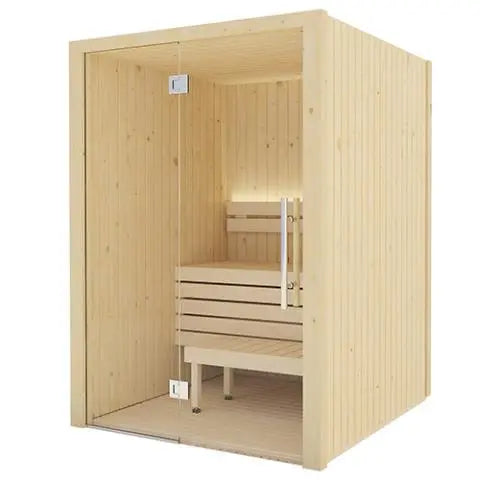
The SaunaLife Model X2 Indoor Home Sauna uses Nordic Spruce walls and Aspen benches, combining affordability with proven durability. The tempered glass front wall adds visual appeal while allowing you to see inside without opening the door, reducing heat loss and improving the user experience, fostering a sense of calm and connection with your surroundings.
The SaunaLife Model X7 Indoor Home Sauna features premium 1.5-inch Norice Spruce planks and a full glass front. The thicker wood resists warping better than thinner alternatives. Dual-tier Aspen benches provide comfortable seating for multiple users while maintaining structural integrity over years of use, creating a truly restorative environment.
Even the best wood requires maintenance. After each use, wipe down benches and interior surfaces. Leave the door open for 30-60 minutes to allow moisture to escape. Inspect wood annually for signs of rot, discoloration, or soft spots. Budget for wood treatment or replacement every 5-10 years, depending on usage and climate.
Benefits of Daily Sauna Use and Wellness Goals
Sauna use supports multiple wellness outcomes. Understanding these benefits helps you choose a sauna that aligns with your health priorities.
Recovery, Detoxification, and Muscle Health
Heat exposure triggers physiological responses that support muscle recovery. Blood flow increases to muscles and tissues, delivering oxygen and nutrients while removing metabolic waste. Athletes and fitness enthusiasts use saunas post-workout to accelerate recovery and reduce soreness.
Sauna use also supports detoxification. Sweating eliminates certain toxins through the skin. While your liver and kidneys do most detoxification work, sauna sweating complements these natural processes. Regular sauna sessions may improve skin health, boost immune function, and enhance overall wellness.

Choosing a Sauna That Aligns With Your Wellness Routine
If recovery is your priority, the Thermora Elara 1-Person Indoor Low EMF Far Infrared Sauna offers deep tissue penetration. The low-EMF technology means minimal electromagnetic field exposure, which matters for health-conscious users. Hemlock wood construction resists warping, ensuring durability through consistent use. The quick heating allows you to fit sauna sessions into a busy schedule, making wellness feel achievable rather than burdensome. You'll feel a profound sense of rejuvenation and calm after each session.
For households with multiple users seeking traditional heat therapy, the Kohler C1 Indoor Graphite Gray Sauna Kit accommodates 2, 3, or 5 people depending on configuration. The modern graphite exterior fits sophisticated home aesthetics. Warm 2700K indirect lighting creates a spa-like atmosphere that makes wellness feel like a luxury, not a chore. This transforms sauna time from a functional health task into a restorative ritual you'll actually want to use, leaving you feeling deeply relaxed and restored.
Daily sauna use, even 20-30 minutes, compounds benefits over months. Consistency matters more than duration. Choose a sauna that fits your space, budget, and aesthetic preferences. You're more likely to use it regularly if it feels like a sanctuary rather than gym equipment.
Assembly, Installation, and Acoustic Integration
How a sauna arrives and how it sounds in your home matter more than most guides acknowledge.
Pre-Fabricated vs. Modular Options
Pre-fabricated saunas arrive largely assembled. You unbox, position, connect electricity, and use. Assembly typically takes 2-4 hours. Modular saunas ship in sections and take 6-12 hours to assemble but offer flexibility for tight spaces and customization.
Most small indoor saunas sold through Prime Recovery Den are pre-fabricated or semi-modular, balancing ease of assembly with customization. The SaunaLife models arrive with components pre-cut and pre-finished, making assembly straightforward for someone comfortable with basic tools.
Noise and Sensory Considerations
Saunas can be loud. The heater hums or buzzes, and water hitting hot stones hisses and crackles. Infrared saunas are quieter than traditional saunas because there's no water-on-stones sound. If acoustic peace matters, infrared wins.
The sensory experience extends beyond sound. The aroma of wood, the warmth on your skin, and the visual appeal of the sauna itself all contribute to how restorative the experience feels. A sauna that looks beautiful in your home makes you want to use it. The Kohler C1's graphite exterior and warm lighting create an intentional, luxurious aesthetic that elevates your entire wellness space, making each session feel like a spa retreat and leaving you feeling deeply refreshed.
Budget and Total Cost of Ownership
Price is important, but total cost of ownership tells the real story. A cheap sauna that fails after two years costs more than a premium sauna that lasts a decade.
Initial Investment and Hidden Costs
A basic 1-person infrared sauna costs between $1,500 and $3,000. The Thermora Elara 1-Person Indoor Low EMF Far Infrared Sauna is priced at $2,499.97, positioning it in the mid-range for quality and features. A 2-person traditional sauna ranges from $3,000 to $6,000. The SaunaLife Model X2 Indoor Home Sauna costs $4,990.00 and includes premium construction with tempered glass and quality wood.
The Kohler C1 Indoor Graphite Gray Sauna Kit, available in 2, 3, or 5-person configurations, is priced at $20,899.97. This investment reflects commercial-grade materials, design sophistication, and longevity.
Hidden costs include electrical upgrades (potentially $500-$3,000 if you need new wiring), ventilation installation, and ongoing maintenance. Budget an additional 10-20% of the sauna's purchase price for these ancillary expenses.
Maintenance and Long-Term Value
A well-maintained sauna lasts 15-20 years or longer (peer-reviewed research). Annual maintenance includes wood treatment, heater inspection, and electrical safety checks, costing $200-500 per year. Over a sauna's lifespan, maintenance is modest compared to the initial investment.
Resale value matters if you move. A high-quality sauna installed professionally adds appeal to a home and can recover 40-60% of its cost at resale. Prime Recovery Den's products are designed for durability and aesthetic longevity. The SaunaLife models and Kohler C1 are built to last decades and maintain their appeal.
Selecting a small indoor sauna is an investment in your home's wellness infrastructure and your daily ritual. The right sauna fits your space, aligns with your health goals, and feels like a sanctuary rather than an appliance. Prime Recovery Den curates premium sauna options that combine sophisticated design with proven durability. From the Thermora Elara's deep-penetrating infrared heat to the SaunaLife Model X7's luxurious Nordic Spruce construction and the Kohler C1's commercial-grade engineering, each sauna transforms your home into a restorative retreat. Explore our collection and discover how a thoughtfully chosen sauna elevates your wellness practice and creates the sanctuary you deserve. SHOP ALL
Frequently Asked Questions
Q: What is the ideal square footage for a small indoor sauna?
A: A small indoor sauna typically ranges from 3 x 4 feet to 4 x 6 feet, accommodating 1-3 people comfortably. This size fits most home spaces while maintaining proper ventilation and heating efficiency. The SaunaLife Model X2 and Thermora Elara are designed for compact spaces, delivering full wellness benefits without requiring extensive renovation or dedicated rooms.
Q: Do I need a dedicated electrical circuit for a small indoor sauna?
A: Yes. Most small indoor saunas require a dedicated 20-40 amp electrical circuit, depending on the heater's wattage. A certified electrician should assess your home's electrical panel to ensure adequate capacity. This dedicated circuit prevents overloads and ensures safe, consistent operation. Installation planning is essential before purchasing, many homeowners underestimate this requirement.
Q: What is the difference between infrared and traditional sauna heating for a home?
A: Traditional saunas heat the air to 160-190°F using electric heaters or wood-burning stoves, creating humidity and steam. Infrared saunas use carbon or ceramic heaters to emit radiant heat directly into the body, operating at lower temperatures (120-150°F) with minimal humidity. Infrared saunas typically consume less energy and require less ventilation, making them ideal for small spaces. The Thermora Elara uses low-EMF far infrared technology, allowing you to experience deep tissue benefits in a compact footprint.
Q: How does daily sauna use improve recovery and wellness?
A: Regular sauna use promotes muscle recovery by increasing blood circulation, reduces inflammation, supports detoxification through perspiration, and enhances cardiovascular health. Many athletes and fitness enthusiasts incorporate daily sessions into their recovery routine. A small indoor sauna from Prime Recovery Den transforms your home into a wellness sanctuary, allowing you to experience these benefits consistently and feel the profound relaxation and restoration that comes from intentional self-care.
This article was written using GrandRanker

Leave a comment
This site is protected by hCaptcha and the hCaptcha Privacy Policy and Terms of Service apply.