

Are Hyperbaric Chambers Worth It for Recovery?
Last Updated: October 29, 2026
Quick Summary
Hyperbaric chambers for recovery raise the pressure around you so your lungs absorb more oxygen, which travels through the bloodstream to oxygen-starved tissue and supports the body's repair processes. Athletes use them for faster injury recovery, less bruising and inflammation, and a quicker return to capacity, though results come from repeated sessions across a treatment course, not a single visit.
- Most home wellness sessions run 60 to 90 minutes at pressure, with the full appointment stretching longer.
- Medical HBOT is a prescribed clinical treatment at higher pressures, while wellness chambers are lower-pressure home systems.
- Ear and sinus barotrauma is the most frequent complaint and is preventable by equalizing early and never rushing pressurization.
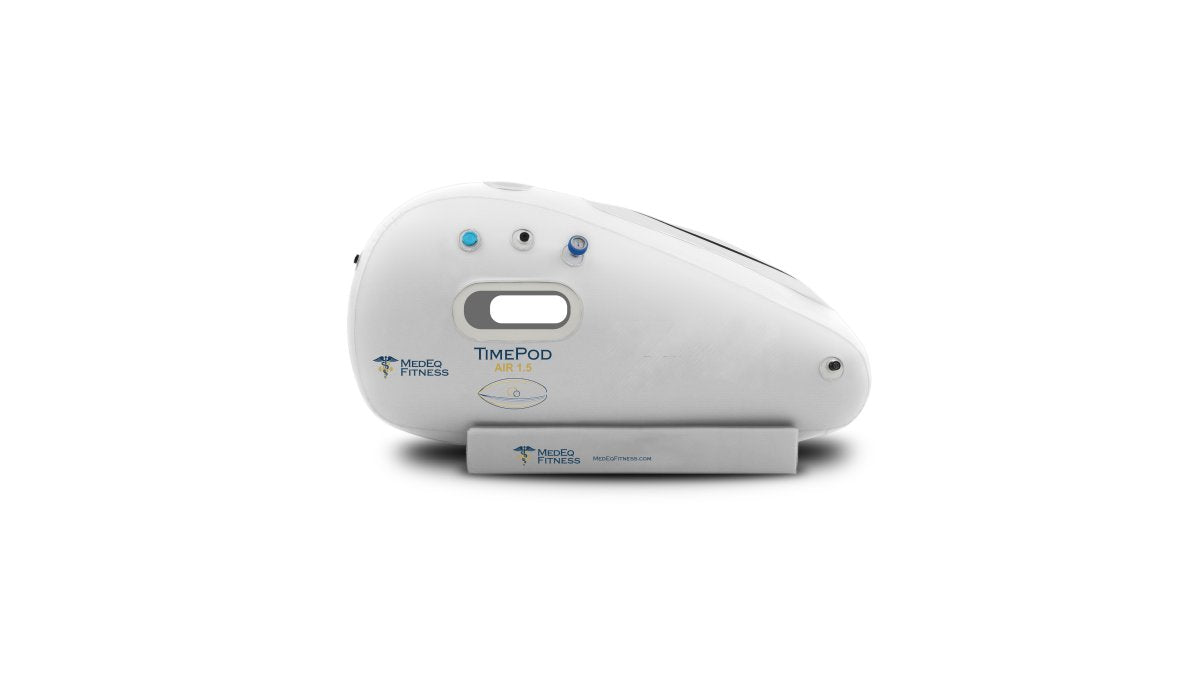
- The OxyRevo TimePod Air Pro 1.5 ATA Seated Hyperbaric Chamber supports sitting, reclining, and full-length lying positions.
- Pick one measurable marker and track it across a treatment course rather than judging progress after a single session.
Table of Contents
- How Hyperbaric Chambers Support Recovery
- Benefits of HBOT for Athletes and Active Lifestyles
- How Long Should a Hyperbaric Session Last?
- Medical HBOT vs. Wellness Chambers: What You Need to Know
- Integrating HBOT into a Home Recovery Sanctuary
- Safety, Screening, and Realistic Expectations
- Choosing the Right Hyperbaric Chamber for Your Home
- Frequently Asked Questions
How Hyperbaric Chambers Support Recovery
Hyperbaric chambers for recovery work by raising the pressure around you so your lungs can take in more oxygen than they would at normal room pressure. That extra oxygen rides the bloodstream to tissue that has been starved of it, and the body uses it to rebuild. This guide from Prime Recovery Den walks through what that process actually does, where the evidence is solid, and where the marketing runs ahead of the science.
The physiology of pressurized oxygen
Under pressure, oxygen dissolves directly into your blood plasma instead of relying only on red blood cells to carry it. That matters for tissue with damaged or narrowed blood vessels, because plasma reaches areas that red cells struggle to supply. More oxygen at the tissue level supports collagen production, cell growth, and the immune response that clears infection.
What the evidence says and where claims outpace it
The strongest human evidence for hyperbaric oxygen therapy sits in specific, well-defined indications: chronic wounds that will not close, infected wounds, recovery after certain surgeries, and bone healing in problem fractures. That is medical HBOT, delivered at higher pressures under physician supervision.
Where claims outpace evidence is the broad wellness pitch. You will see chambers marketed for everything from skin tone to stamina, and the research base there is much thinner. Treat those claims as plausible-but-unproven rather than settled, and be skeptical of anyone who promises a specific healing rate.
Benefits of HBOT for Athletes and Active Lifestyles
Athletes gravitate to hyperbaric oxygen therapy because the benefits map onto what they already care about: faster injury recovery, less bruising and inflammation, and a quicker return to physical capacity. The mechanism is straightforward. Oxygen-starved tissue after a hard effort or a strain gets more oxygen, and the body's repair processes have more to work with.
A common mistake is expecting a single session to do anything measurable. The pattern that tends to matter is repeated sessions across a treatment course, which is why serious users build it into a weekly rhythm rather than treating it as a one-off.
What most guides miss is the honest ceiling here. HBOT is a support tool, not a substitute for sleep, loading management, and actual rehab. Pair it with those and it earns its place. Use it to paper over a training error and you will be disappointed.
How Long Should a Hyperbaric Session Last?
Most home wellness sessions run 60 to 90 minutes at pressure, with the full appointment stretching longer once you count pressurization and decompression. Clinical protocols vary by indication, so the right number depends on your pressure setting and your goal.
A typical home session generally follows these general steps:
- Enter and settle into a comfortable position
- Pressurize gradually over several minutes
- Hold at your working pressure for the bulk of the session
- Depressurize slowly before opening the chamber
Rushing the pressurization phase is where people get uncomfortable. Give your ears time to equalize, the same way you would on a flight.
Medical HBOT vs. Wellness Chambers: What You Need to Know
Medical HBOT is a prescribed treatment delivered in a clinical setting at higher pressures, often with a built-in breathing system, and it is aimed at diagnosed conditions. Wellness chambers are lower-pressure systems used at home for general recovery and relaxation. They are not the same product, and they are not interchangeable.
That distinction decides who should be shopping at all. If you have a diagnosed wound, infection, or bone-healing problem, that is a physician conversation, not a product purchase. If you are a healthy person building a recovery practice, a mild-pressure home chamber is the sensible category.
For anyone who needs seated access, the OxyRevo TimePod Air Pro 1.5 ATA Seated Hyperbaric Chamber, Soft-Shell, 10L Oxygen Concentrator supports sitting, reclining, and full-length lying positions, with a 10L oxygen concentrator and adjustable pressure settings. Its seated design means you can enjoy your sessions without lying flat, and it helps create a calm, restorative space in your home.

Integrating HBOT into a Home Recovery Sanctuary
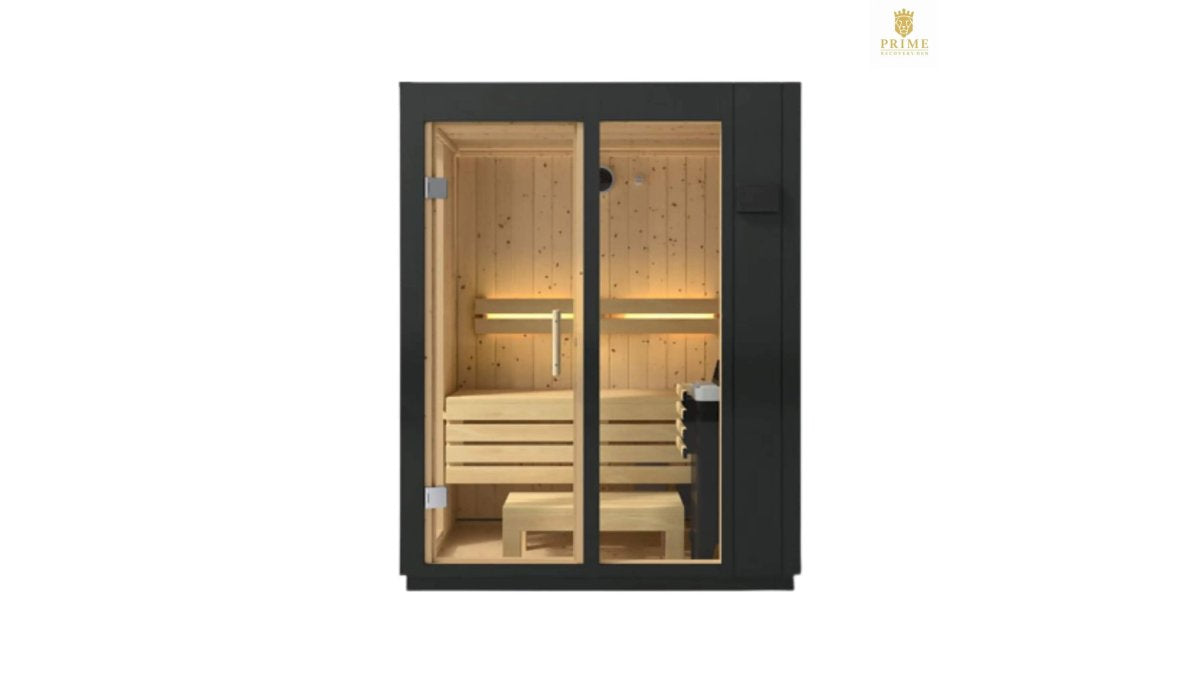
A chamber works best as one piece of a larger recovery room rather than a standalone gadget. Many homeowners pair a chamber with a sauna and a cold plunge, then anchor the space with comfortable seating and warm materials so it feels like a restorative retreat.
The feeling matters as much as the equipment. A room you actually want to sit in tends to get used more often. If you are building out the full setup, our recovery collection includes cold plunges, saunas, and chambers that are designed to complement one another.
OxyRevo TimePod Air Pro 1.5 ATA Seated Hyperbaric Chamber, Soft-Shell, 10L →
Safety, Screening, and Realistic Expectations
Screening comes before shopping. Hyperbaric exposure is generally well tolerated, but the pressure change itself, not just the oxygen, is what creates most of the manageable side effects, and a small number of conditions make it a bad idea without physician clearance.
Contraindications that require a physician conversation
Untreated pneumothorax is the best-known absolute contraindication; pressure changes can worsen a collapsed lung. Other conditions that warrant clinician review before any session include:
- Recent ear surgery, a perforated eardrum, or an inability to equalize pressure
- Sinus infection or congestion that blocks the Eustachian tube
- Certain lung conditions, including some forms of emphysema and bleb disease
- Pregnancy, unless specifically cleared
- Claustrophobia severe enough to cause panic in enclosed spaces
- Uncontrolled seizure disorder or certain heart conditions
This is not a complete list. The point is that a physician who knows your history should make the call, not a product page.
Common side effects and how to manage them
Ear and sinus pressure injury (barotrauma) is the most frequent complaint. It feels like the pressure you get on a flight, and it is preventable by equalizing early and often, swallowing, yawning, or the Valsalva maneuver, and by never rushing pressurization. If equalization fails, stop and depressurize rather than pushing through.
Temporary vision changes are reported with repeated sessions; most resolve after a course ends, but anyone with a progressive eye condition should raise it with their doctor. Oxygen toxicity is a real risk at the higher pressures used in clinical HBOT and is one reason medical treatment is supervised; at the mild pressures used in home wellness chambers, the risk profile is different and lower, but it is not zero.
Screening questions to ask yourself first
Before you buy anything, answer these honestly:
- Do I have a diagnosed condition that HBOT is known to treat? If yes, this is a physician referral, not a purchase.
- Can I equalize my ears reliably?
- Am I comfortable in enclosed spaces for 60 to 90 minutes?
- Have I cleared my lung, ear, and heart history with a clinician?
- What specific outcome am I trying to move, and how will I measure it?
Realistic expectations
HBOT supports recovery; it does not replace sleep, nutrition, or rehab. Anyone selling it as a shortcut is overselling. A reasonable way to judge progress is to pick one measurable marker, soreness duration after training, range of motion, time to return to activity, and track it across a treatment course rather than after a single session. If nothing moves after a fair trial, that is useful information, not a reason to buy more sessions.
The OxyRevo TimePod Air Pro 1.5 ATA Seated Hyperbaric Chamber, Soft-Shell, 10L Oxygen Concentrator reaches up to 1.5 ATA with a heat-welded soft-shell design, and its seated, reclining, and lying positions with adjustable pressure settings let you build a recovery routine at home. It is designed to help you feel calm and in control of your recovery. A consistent recovery routine can help you feel more in control of your recovery, calmer and more confident in your progress.
Choosing the Right Hyperbaric Chamber for Your Home
Start with pressure and form factor, then match them to your space and your goals. Soft-shell chambers are lighter, more affordable, and easier to fit into a room. Hard-shell units hold higher pressures, last through heavier use, and feel more like a permanent installation.
| Chamber | Pressure | Best For | Price |
|---|---|---|---|
| TimePod Air Pro | Up to 1.5 ATA | Flexible home use, sit or lie | $9,450 |
| TimeCapsule Vision C750+ | Up to 2.0 ATA | Clinics and high-end home | $27,000 |
| TimeCapsule Vision C900+ | Up to 2.0 ATA | Panoramic windows, repeated use | $28,500 |
| TimePod 2 | 1.3 to 2.0 ATA | Compact footprint, adjustable | $43,500 |
You can browse the full range of hyperbaric chambers to compare soft-shell and hard-shell options side by side. If the panoramic feel appeals to you, the OxyRevo TimeCapsule Vision C750+ Hard-Shell Hyperbaric Chamber, 2.0 ATA, Stainless Steel pairs a 2.0 ATA reinforced stainless steel build with transparent windows at both ends. For a tighter room, the OxyRevo TimePod 2 2.0 ATA Hard-Shell Hyperbaric Chamber, Triangular Design uses a triangular shell designed to use floor space efficiently while reaching 2.0 ATA.


What most buyers underestimate is how much the room around the chamber affects whether they keep using it. Buy for the space you have, not the space you wish you had.
Frequently Asked Questions
How often should you use a hyperbaric chamber for recovery?
Frequency depends on your goals and the chamber's pressure rating. For general wellness and post-workout recovery, many home users follow a routine of three to five sessions per week at 1.3 to 1.5 ATA. Athletes training hard may use it more often during peak blocks. Medical HBOT protocols for diagnosed conditions are set by a physician and often involve daily sessions over several weeks. Start conservatively, track how you feel, and adjust based on sleep, soreness, and energy.
Is hyperbaric oxygen therapy safe for home use?
Soft-shell chambers at 1.3 to 1.5 ATA are generally well tolerated by healthy adults when used as directed. Risks include ear pressure discomfort, claustrophobia, and temporary vision changes. People with untreated pneumothorax, certain ear or sinus conditions, or who are pregnant should consult a doctor first. Hard-shell chambers at 2.0 ATA carry more pressure and require proper training and safety features like door interlocks. Always follow the manufacturer's operating limits and never modify pressure settings beyond the listed range.
What should I look for when selecting a home hyperbaric chamber?
Focus on pressure rating, shell construction, and oxygen delivery. Soft-shell TPU chambers at 1.3 to 1.5 ATA suit home wellness and are easier to store. Hard-shell stainless steel or nickel-steel alloy chambers reach up to 2.0 ATA and are built for frequent use. Check for internal and external pressure gauges, pressure-release controls, and a quality oxygen concentrator. Consider interior positioning (seated, reclined, or full-length lying), window visibility, and whether climate control or a built-in breathing system matters to you.
Does HBOT help with circulation and tissue repair?
Hyperbaric chambers increase the oxygen dissolved in plasma, which can reach oxygen-starved tissue where red blood cells cannot easily deliver it. Medical HBOT is studied for wound healing and recovery from injury or surgery, and your clinician can advise on whether it applies to your situation. For healthy athletes, the benefits are more about supporting recovery than treating disease. Pair sessions with hydration, sleep, and proper nutrition for the best results.
The hard part is not choosing a chamber. It is building a recovery routine you will actually keep, in a room that invites you back. That is where Prime Recovery Den comes in: we curate equipment designed to sit together as a sanctuary, with free shipping on most orders in the contiguous U.S., secure payment processing, and thoughtful support before and after delivery. Get started with Prime Recovery Den and turn an unused corner of your home into a place you look forward to spending time.


Leave a comment
This site is protected by hCaptcha and the hCaptcha Privacy Policy and Terms of Service apply.